



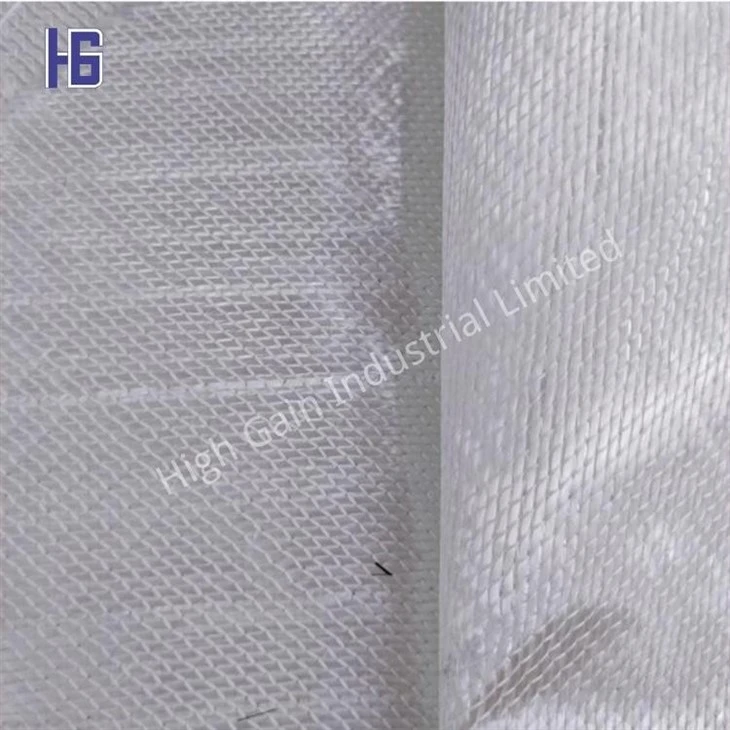
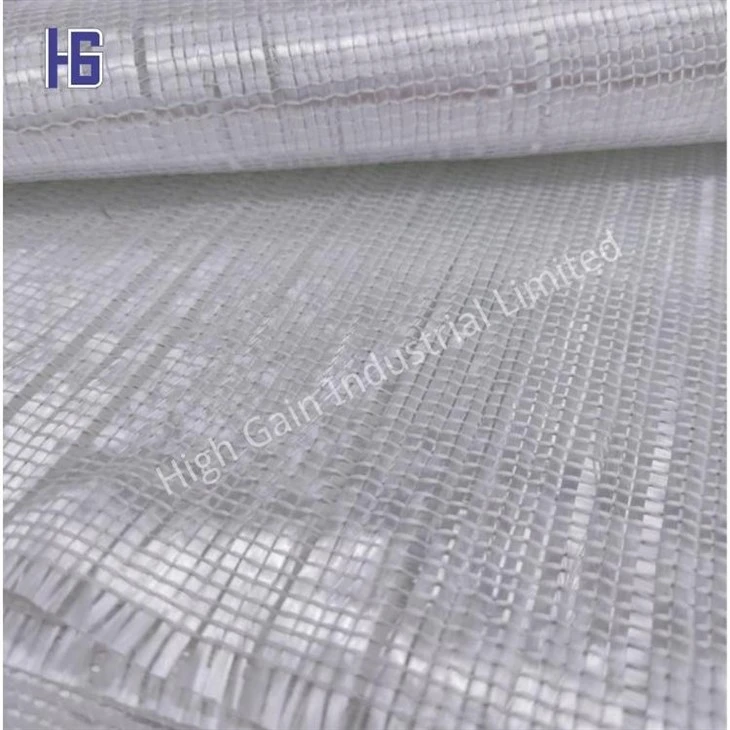
Multiaxial Fiberglass Fabric
Multiaxial Fiberglass Fabric
Product Showcase
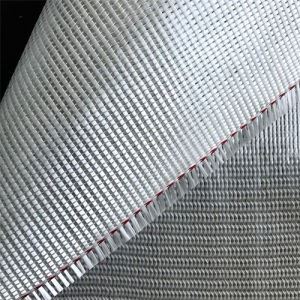
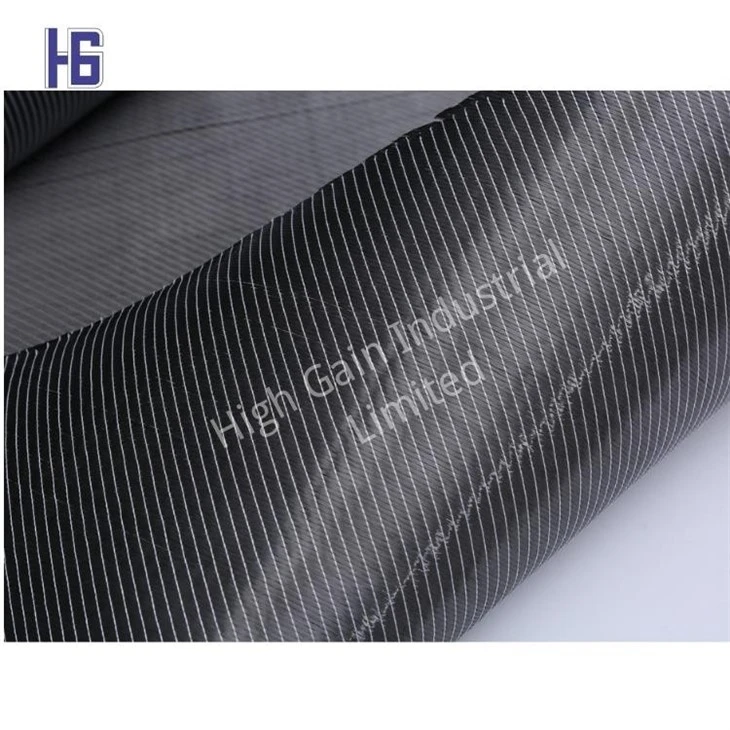
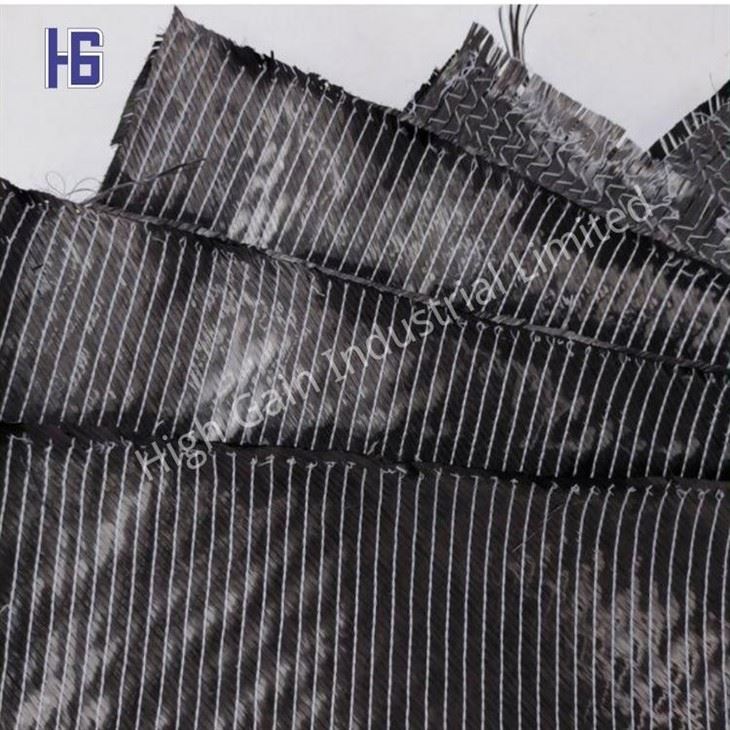
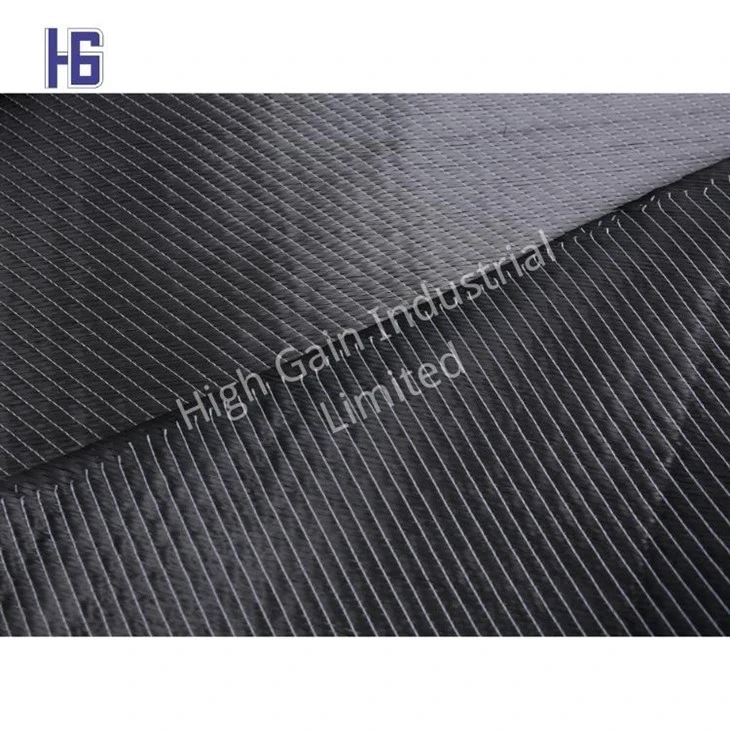
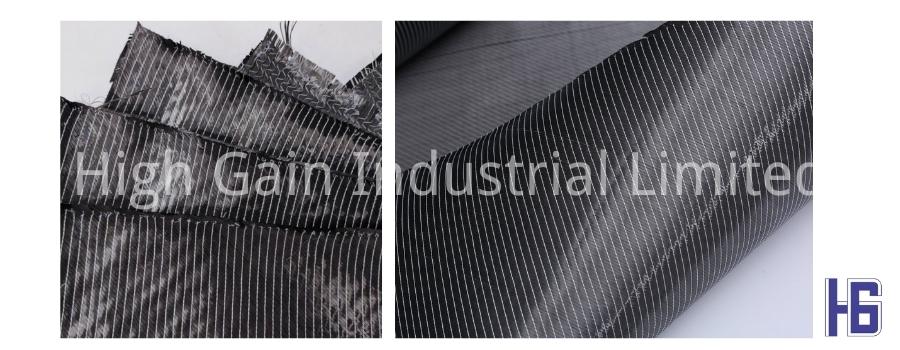
Multiaxial fiberglass fabrics play a crucial role in the manufacturing of composite materials, offering a range of advantages that have contributed to their growing popularity across various industries. This article seeks to provide a comprehensive understanding of multiaxial fiberglass fabric, highlighting their benefits, uses, and influence on the composite material industry. Composed of two or more sets of yarns oriented in diverse directions, these fabrics are designed to offer exceptional strength, stiffness, and durability, making them a top choice for reinforcing composite materials. The arrangement of yarns in multiaxial fiberglass fabric can be customized to fulfill the specific mechanical needs of a particular application, providing flexibility and performance levels that traditional uniaxial fabrics may not offer.
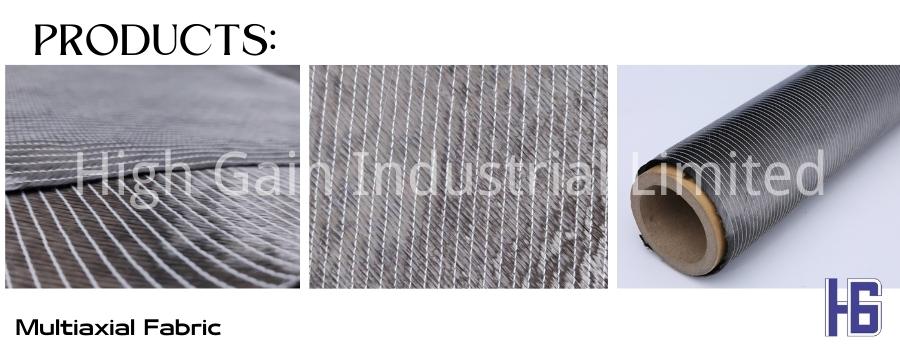
Product Name: Multiaxial fiberglass fabric
Main Specification for multiaxial fiberglass fabric:
|
Construction |
Area Weight (g/m2) |
Tolerance (+/-%) |
Material |
|
0 º |
N/A |
3 |
N/A |
|
+45 º |
150 |
3 |
12K |
|
90 º |
N/A |
3 |
N/A |
|
-45 º |
150 |
3 |
12K |
|
Stitching |
6 |
3 |
PES 75D |
The fabric weight can be either 306 grams per square meter with a tolerance of +/- 3% or 406 grams per square meter with a tolerance of +/- 3%. It is available in a standard roll size measuring 127 centimeters wide and 50 meters long. The stitching method used is Pillar Stitching with a gauge of E5 and a stitching length of 2.5 mm.

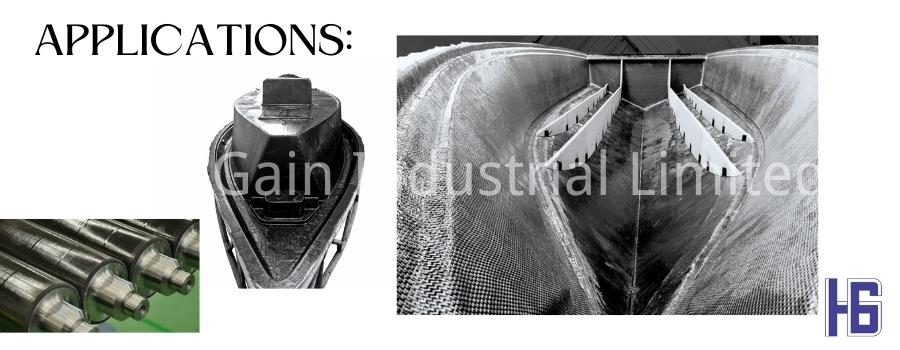
Applications of Multiaxial fabrics composites
Automotive Sector
In the automotive industry, multiaxial fiberglass fabric are increasingly employed to manufacture lightweight, high-strength parts like body panels, chassis reinforcements, and interior components. These fabrics aid in reducing overall vehicle weight while preserving structural integrity and safety.
Aerospace and Aviation
Multiaxial fiberglass fabric are utilized in the aerospace sector for producing aircraft components such as wings, fuselage sections, and interior structures. The capability to customize the mechanical properties of composite materials to withstand extreme conditions makes multiaxial fiberglass fabric indispensable in this industry.
Wind Power
Multiaxial fiberglass fabric are vital in the production of wind turbine blades, where their exceptional strength and fatigue resistance are crucial for enduring the dynamic loads experienced during operation.
Sports and Recreation
Products in the sports and recreation sector, like bicycle frames, tennis rackets, and snowboards, benefit from the use of multiaxial fiberglass fabric to achieve the desired combination of strength, stiffness, and weight.
Marine Sector
Multiaxial fiberglass fabric are applied in the marine industry to manufacture hulls, decks, and other structural components of boats and yachts, leveraging their moisture resistance and superior mechanical properties.
Conclusion
The adoption of multiaxial fiberglass fabric has revolutionized the production of composite materials by offering outstanding mechanical properties, tailored performance, and cost efficiency. Its impact spans various sectors such as automotive, aerospace, renewable energy, and recreational equipment. As technological advancements continue, the adaptability and versatility of multiaxial fiberglass fabric are expected to drive further innovations in creating high-performance composite materials, resulting in the development of lighter, more robust, and longer-lasting products across diverse industries.

Hot Tags: multiaxial fiberglass fabric, China multiaxial fiberglass fabric manufacturers, suppliers, factory, peel ply fabric, composite peel ply, carbon fiber paddle canoe, Aramid Fiber Fabrics, Composites Weight Loss Materials, peel ply cloth
You Might Also Like




Send Inquiry