


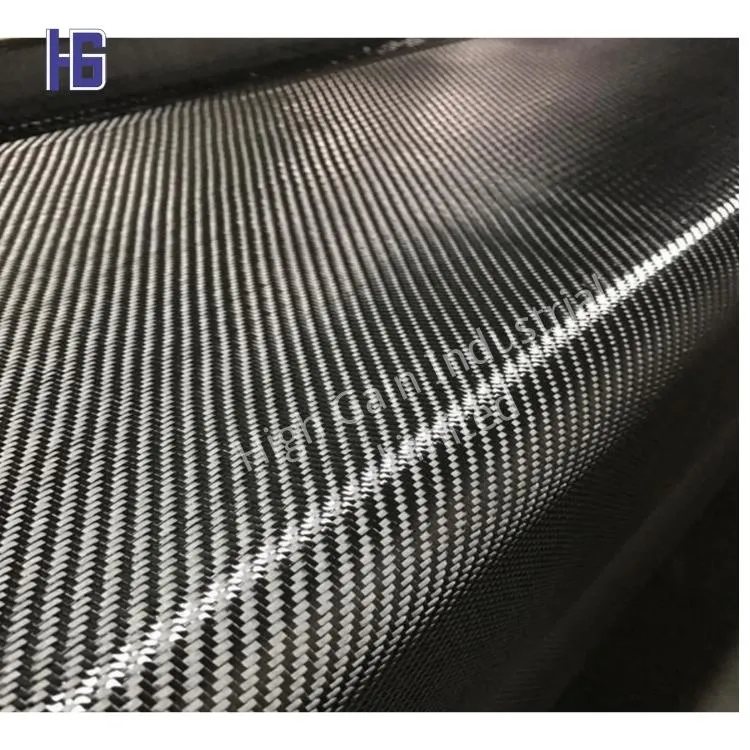




Plain Carbon Fiber
Plain Carbon Fiber

Product Introduction
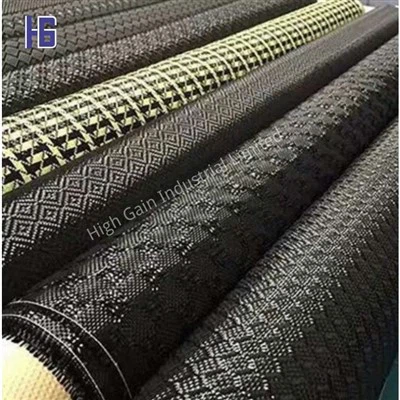
Plain carbon fiber is a composite material celebrated for its remarkable strength, light weight, and adaptability. Its distinctive properties and multitude of benefits have led to its extensive application across diverse industries. This piece will explore the production process, structural attributes, uses, and prominent instances of plain carbon fiber.

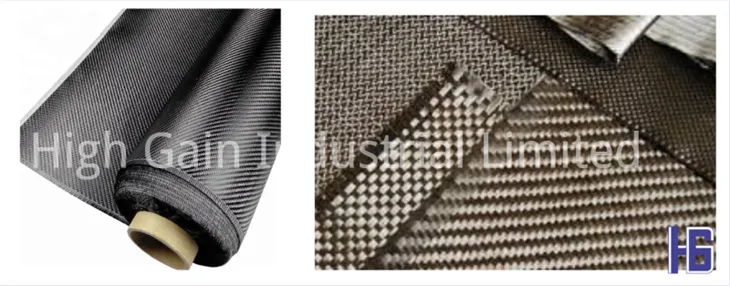
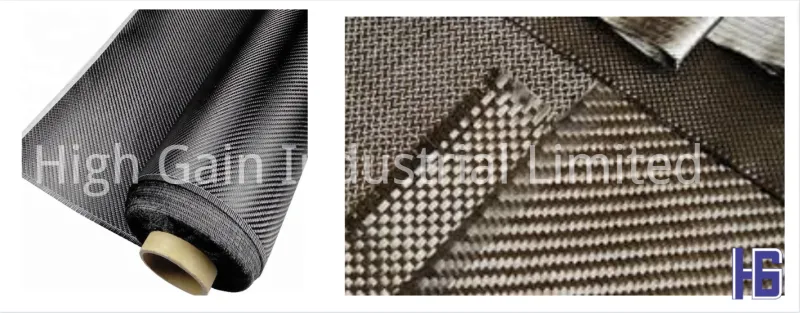
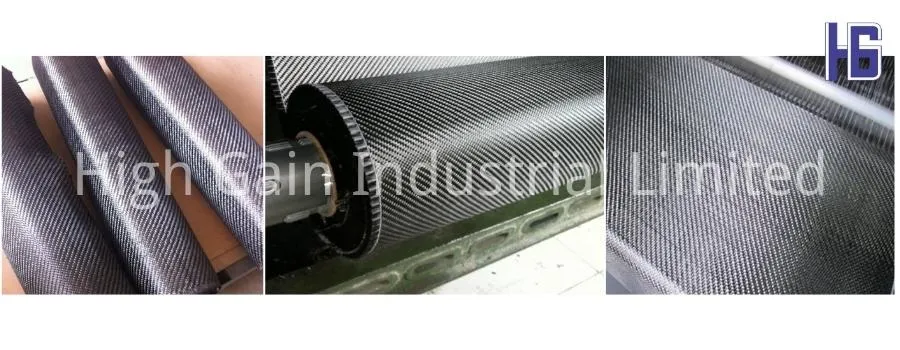
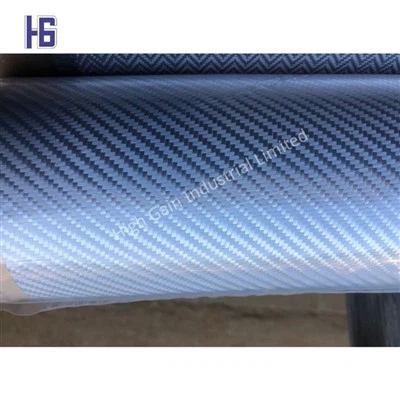
The twill weave pattern is characterized by a diagonal design created by crossing threads, which can be illustrated as either 2 × 2 or 4 × 4. Essentially, in twill weave, each thread goes under two other threads and then comes up over two other threads. Similarly, in 4x4 twill fabric, each thread goes under four other threads and then comes up over four other threads.
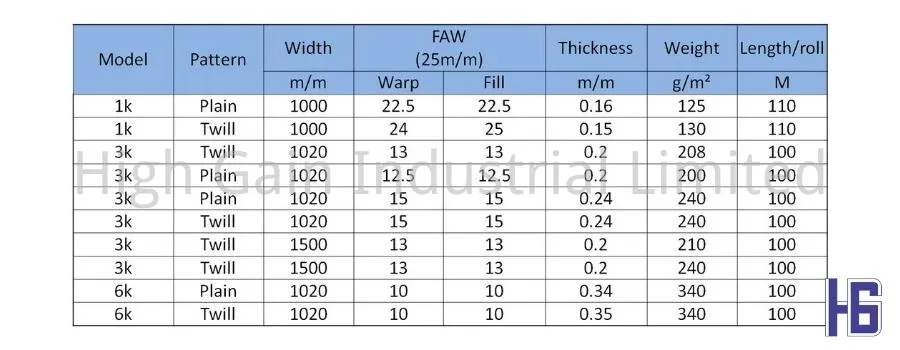
Advantages of Plain Carbon Fiber
Plain carbon fiber offer several advantages that make them an attractive option for a wide array of uses:
High Strength-to-Weight Ratio: Plain carbon fiber is incredibly strong yet significantly lighter than metals like steel and aluminum. This quality makes them ideal for applications where reducing weight is crucial without sacrificing structural integrity.
Stiffness and Rigidity: Carbon fiber composites demonstrate high stiffness and rigidity, providing excellent resistance to deformation under load. This makes them suitable for applications requiring precise dimensional stability and minimal flexing.
Corrosion Resistance: Unlike metals, carbon fiber is not vulnerable to corrosion, making it an excellent choice for components exposed to harsh environmental conditions.
Fatigue Resistance: Plain carbon fiber display exceptional fatigue resistance, making them suitable for components subjected to repeated loading cycles.
Design Flexibility: Carbon fiber can be shaped into complex forms, enabling the creation of intricate and aerodynamic designs that would be challenging to achieve with traditional materials.
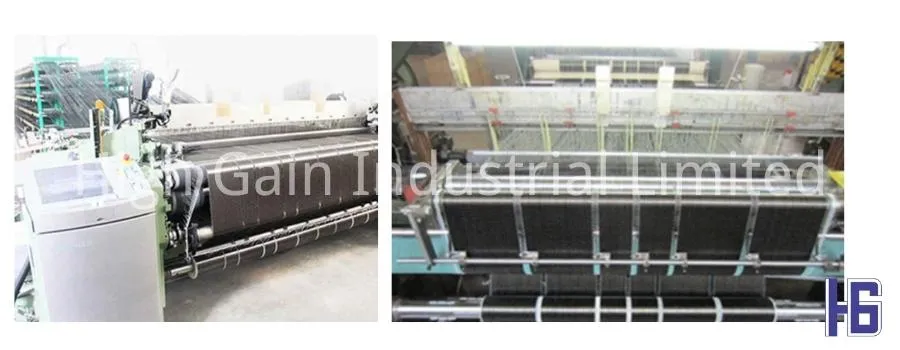
Manufacturing Process
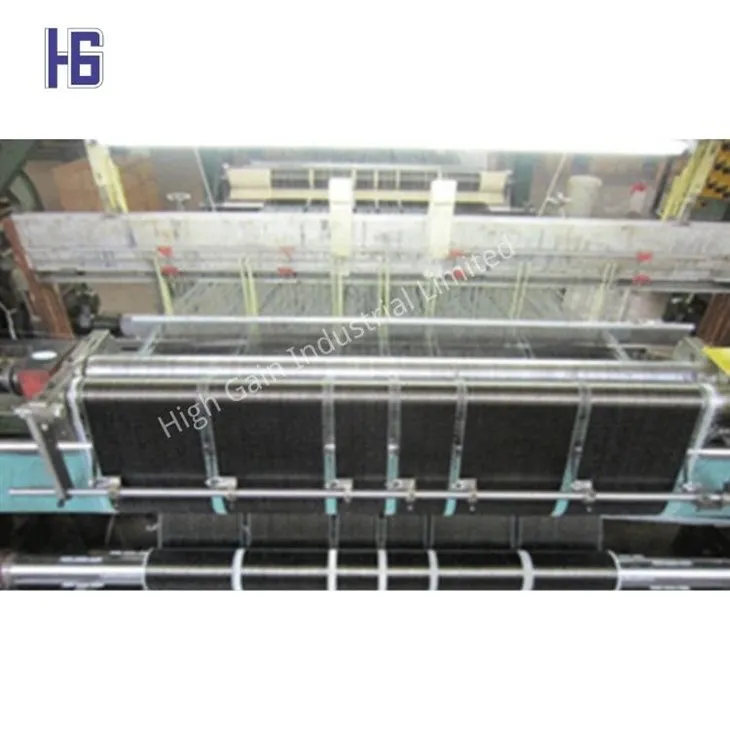
The manufacturing process of woven carbon fiber involves several essential stages:
Precursor Production: The process commences with the creation of a precursor material, typically polyacrylonitrile (PAN) or pitch-based carbon fibers. PAN fibers are commonly chosen due to their superior mechanical properties.
Stabilization: The precursor fibers are then subjected to heat in an environment lacking oxygen to eliminate non-carbon atoms and establish a thermally stable structure.
Carbonization: Following stabilization, the fibers are exposed to extremely high temperatures in an oxygen-free environment, causing the remaining non-carbon elements to be removed, resulting in pure carbon.
Conclusion
The exceptional strength-to-weight ratio, stiffness, corrosion resistance, and design flexibility of carbon fiber fabric rolls render it an immensely valuable material across various industries. With continuous technological and manufacturing advancements, carbon fiber composites are expected to increasingly contribute to the development of innovative and environmentally friendly solutions in engineering and design. Ultimately, the unique attributes and wide-ranging applicability of plain carbon fiber firmly position it as a groundbreaking material in modern industry, driving advancements in performance, efficiency, and environmental sustainability.
Hot Tags: plain carbon fiber, China plain carbon fiber manufacturers, suppliers, factory, Carbon Fiber Badminton Rackets, composite breather cloth, composite prosthetic leg, carbon fiber diving fins carry water, Vacuum Bagging Breather, peel ply polyester
Previous
3K FabricYou Might Also Like



Send Inquiry