


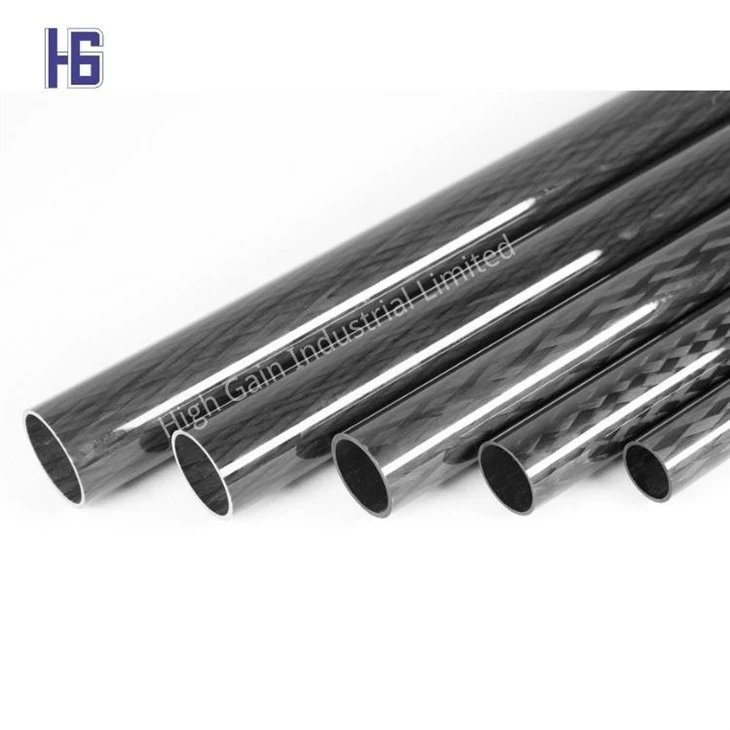
Filament Winding Tube
Filament Winding Tube
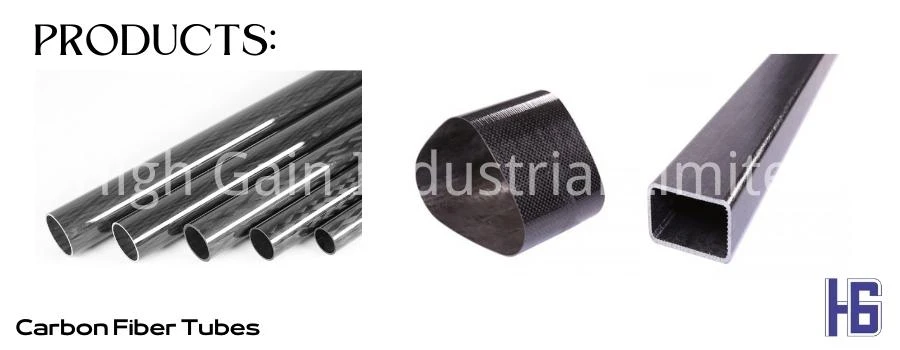
Introduction
In the realm of composite materials, the process of filament winding has emerged as a revolutionary technique for creating high-performance structures such as tubes. Filament winding involves the precise and automated winding of filaments, typically made of fibers like carbon or glass, onto a mandrel in a specific pattern to form a tube. This method offers numerous advantages over traditional manufacturing techniques, making it a popular choice in industries ranging from aerospace to automotive. This article explores the world of filament winding tubes, delving into its advantages, applications, and implications.
Advantages of Filament Winding Tube
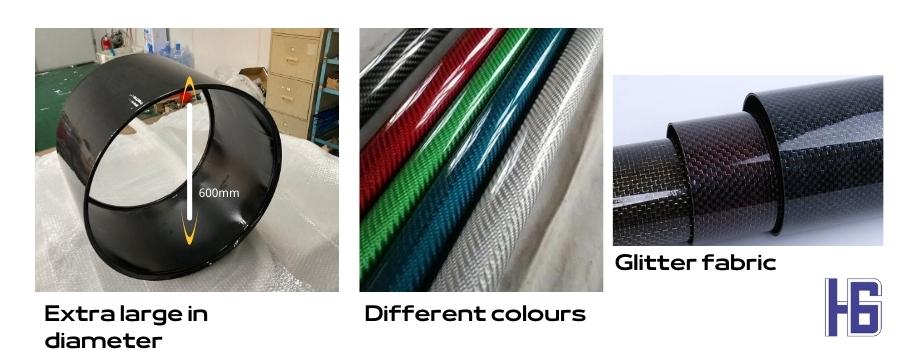
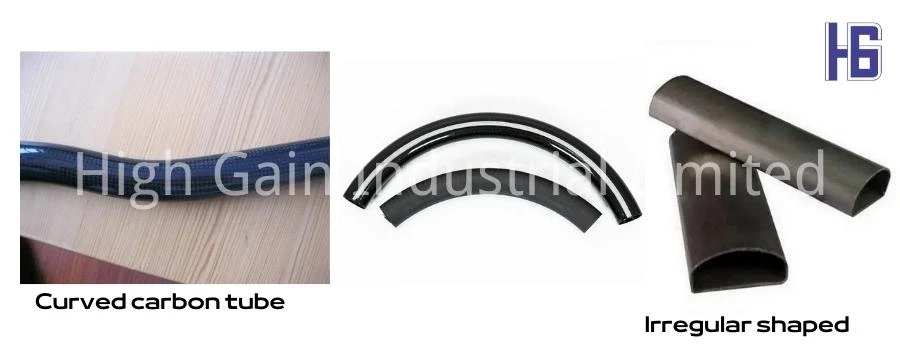
Design Flexibility: One of the key advantages of filament winding tubes is the inherent design flexibility it offers. Manufacturers can customize the winding pattern, fiber orientation, and resin type to meet specific performance requirements. This flexibility allows for the creation of complex shapes and structures that would be difficult or impossible to achieve using traditional methods.
High Strength-to-Weight Ratio: By using high-strength fibers such as carbon or glass, filament wound tubes exhibit exceptional strength-to-weight ratios. This property is particularly valuable in industries where lightweight yet sturdy components are crucial, such as aerospace and sports equipment.
Uniform Wall Thickness: Filament winding ensures consistent and uniform wall thickness throughout the entire length of the tube. This uniformity is critical for maintaining structural integrity and performance under varying loads and environmental conditions.
Cost-Effectiveness: While the initial setup costs for filament winding equipment can be significant, the long-term cost-effectiveness of the process is undeniable. The ability to automate and streamline production leads to reduced labor costs, minimal material waste, and overall efficiency gains.
Corrosion Resistance: Composite materials used in filament winding are inherently resistant to corrosion, making filament wound tubes ideal for applications in harsh environments where traditional materials may deteriorate over time.
Applications of Filament Winding Tube
Aerospace: The aerospace industry extensively uses filament wound tubes for applications such as rocket motor casings, antenna structures, and aircraft components. The lightweight nature and high performance of these tubes make them indispensable in aerospace engineering.
Automotive: In the automotive sector, filament winding tubes find applications in exhaust systems, drive shafts, and structural components. The high strength-to-weight ratio of these tubes contributes to improved fuel efficiency and overall vehicle performance.
Renewable Energy: Filament wound tubes are increasingly used in the renewable energy sector for applications like wind turbine blades, solar panel frames, and hydroelectric components. The durability and corrosion resistance of these tubes make them ideal for outdoor installations.
Marine Industry: In marine applications, filament winding tubes are used for manufacturing boat masts, hull reinforcements, and underwater structures. The ability of these tubes to withstand saltwater corrosion and harsh marine conditions is a significant advantage.
Sports and Recreation: Filament wound tubes are also common in the sports and recreation industry for producing items such as fishing rods, golf club shafts, and bicycle frames. The combination of light weight and high strength makes these tubes ideal for enhancing athletic performance.
Conclusion
Filament winding tubes represent a cutting-edge technology in the world of composite materials, offering a wide range of advantages and applications across various industries. From aerospace to automotive, renewable energy to marine applications, the versatility and performance of filament wound tubes make them a preferred choice for engineers and designers seeking lightweight, strong, and durable components. As technology continues to advance, we can expect filament winding to play an even more significant role in shaping the future of engineering and manufacturing.
|
Carbon Fiber Round Tube (1m) |
|
|||
|
OD (mm) |
* |
ID (mm) |
* |
L (mm) |
|
1.8 |
* |
1 |
* |
1000 |
|
2 |
* |
1 |
* |
1000 |
|
2.5 |
* |
1.7 |
* |
1000 |
|
3 |
* |
2 |
* |
1000 |
|
3 |
* |
1.7 |
* |
1000 |
|
3 |
* |
1.5 |
* |
1000 |
|
3 |
* |
1.2 |
* |
1000 |
|
3 |
* |
1 |
* |
1000 |
|
4 |
* |
2.5 |
* |
1000 |
|
3.5 |
* |
2 |
* |
1000 |
|
3.5 |
* |
1.7 |
* |
1000 |
|
4 |
* |
3 |
* |
1000 |
|
4 |
* |
2.5 |
* |
1000 |
|
4 |
* |
2 |
* |
1000 |
|
4 |
* |
1.5 |
* |
1000 |
|
4.5 |
* |
3.5 |
* |
1000 |
|
4.5 |
* |
3 |
* |
1000 |
|
4.5 |
* |
2.5 |
* |
1000 |
|
4.5 |
* |
2 |
* |
1000 |
|
4.7 |
* |
3.7 |
* |
1000 |
|
4.7 |
* |
3.4 |
* |
1000 |
|
4.7 |
* |
3.2 |
* |
1000 |
|
4.7 |
* |
3 |
* |
1000 |
|
4.7 |
* |
2.8 |
* |
1000 |
|
5 |
* |
4 |
* |
1000 |
|
5 |
* |
3.5 |
* |
1000 |
|
5 |
* |
3 |
* |
1000 |
|
5 |
* |
2.5 |
* |
1000 |
|
5 |
* |
2 |
* |
1000 |
|
5.5 |
* |
4.2 |
* |
1000 |
|
5.5 |
* |
4 |
* |
1000 |
|
5.5 |
* |
3.5 |
* |
1000 |
|
5.5 |
* |
3.2 |
* |
1000 |
|
5.5 |
* |
3 |
* |
1000 |
|
5.8 |
* |
4.5 |
* |
1000 |
|
5.8 |
* |
4.2 |
* |
1000 |
|
5.8 |
* |
4 |
* |
1000 |
|
6 |
* |
5 |
* |
1000 |
|
6 |
* |
4.5 |
* |
1000 |
|
6 |
* |
4 |
* |
1000 |
|
6 |
* |
3.5 |
* |
1000 |
|
6 |
* |
3 |
* |
1000 |
|
6.5 |
* |
5 |
* |
1000 |
|
7 |
* |
6 |
* |
1000 |
|
7 |
* |
5.5 |
* |
1000 |
|
7 |
* |
5 |
* |
1000 |
|
7 |
* |
4 |
* |
1000 |
|
8 |
* |
7 |
* |
1000 |
|
8 |
* |
6.5 |
* |
1000 |
|
8 |
* |
6 |
* |
1000 |
|
8 |
* |
5.5 |
* |
1000 |
|
8 |
* |
5 |
* |
1000 |
|
8 |
* |
4 |
* |
1000 |
|
8 |
* |
3 |
* |
1000 |
|
8.5 |
* |
7.5 |
* |
1000 |
|
8.5 |
* |
6.5 |
* |
1000 |
|
9 |
* |
8 |
* |
1000 |
|
9 |
* |
7 |
* |
1000 |
|
9.5 |
* |
8.1 |
* |
1000 |
|
9.5 |
* |
7.5 |
* |
1000 |
|
10 |
* |
9 |
* |
1000 |
|
10 |
* |
8.5 |
* |
1000 |
|
10 |
* |
8 |
* |
1000 |
|
10 |
* |
7.5 |
* |
1000 |
|
10 |
* |
7 |
* |
1000 |
|
10 |
* |
6 |
* |
1000 |
|
10 |
* |
5 |
* |
1000 |
|
10 |
* |
4 |
* |
1000 |
|
11.1 |
* |
9 |
* |
1000 |
|
11.1 |
* |
8.7 |
* |
1000 |
|
12 |
* |
10 |
* |
1000 |
|
12 |
* |
8 |
* |
1000 |
|
12.5 |
* |
10 |
* |
1000 |
|
12.7 |
* |
10 |
* |
1000 |
|
14 |
* |
12 |
* |
1000 |
|
14 |
* |
10 |
* |
1000 |
|
16 |
* |
14 |
* |
1000 |
|
16 |
* |
12 |
* |
1000 |
|
19 |
* |
16 |
* |
1000 |
|
20 |
* |
14 |
* |
1000 |
|
20 |
* |
16 |
* |
1000 |
|
22 |
* |
18 |
* |
1000 |
|
22 |
* |
16 |
* |
1000 |
|
25 |
* |
19 |
* |
1000 |
|
Carbon Fiber Square Tube ( Square outside & round inside) (1m) |
||||
|
OD (mm) |
* |
ID (mm) |
* |
L (mm) |
|
1.4mm×1.4mm×0.8mm(Round inside) |
* |
1000 |
||
|
1.7mm×1.7mm×1mm(Round inside) |
* |
1000 |
||
|
2.0mm×2.0mm×1mm(Round inside) |
* |
1000 |
||
|
2.5mm×2.5mm×1.5mm(Round inside) |
* |
1000 |
||
|
3mm×3mm×2mm(Round inside) |
* |
1000 |
||
|
3.5mm×3.5mm×2.4mm(Round inside) |
* |
1000 |
||
|
4mm×4mm×2.5mm(Round inside) |
* |
1000 |
||
|
4mm×4mm×3mm(Round inside) |
* |
1000 |
||
|
5mmX5mm×4mm(Round inside) |
* |
1000 |
||
Hot Tags: filament winding tube, China filament winding tube manufacturers, suppliers, factory, carbon fiber for boats, carbon fiber winding shaft, carbon fiber ud prepreg and laminate, carbon fiber tennis racket, multiaxial fabrics composites, Carbon Fiber USV Boat
Previous
Tape Rolling TubeYou Might Also Like


Send Inquiry