



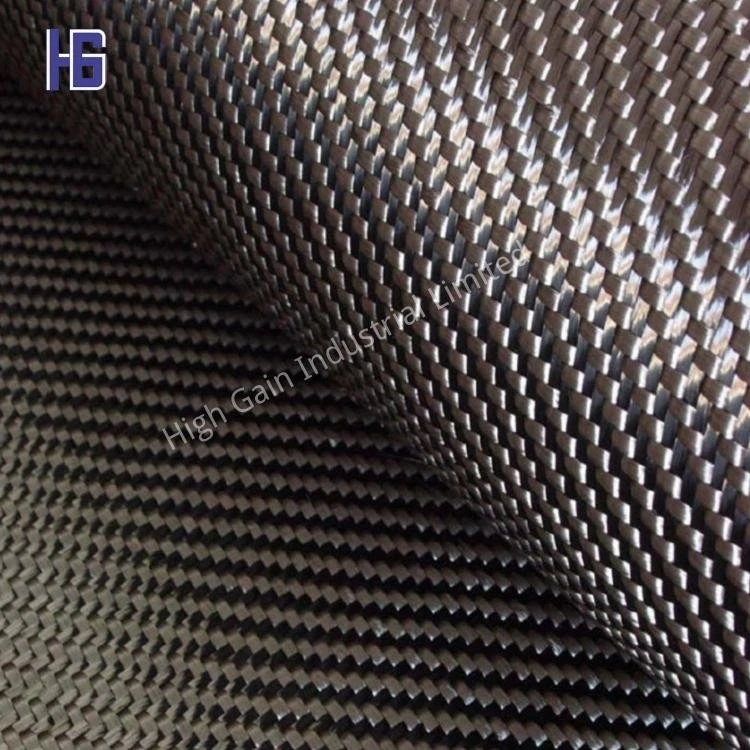
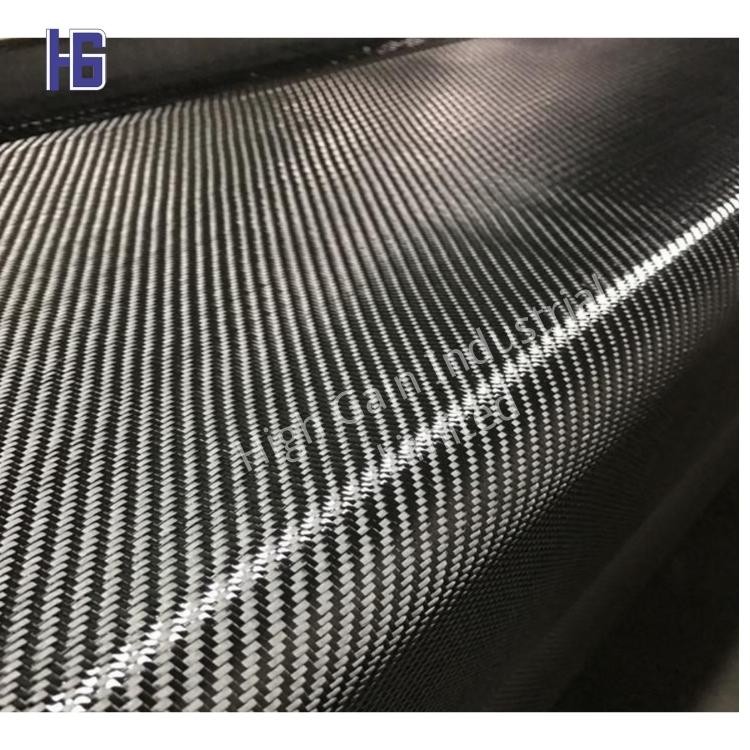
Carbon Fiber Structured Materials
Carbon Fiber Structured Materials
Introduction
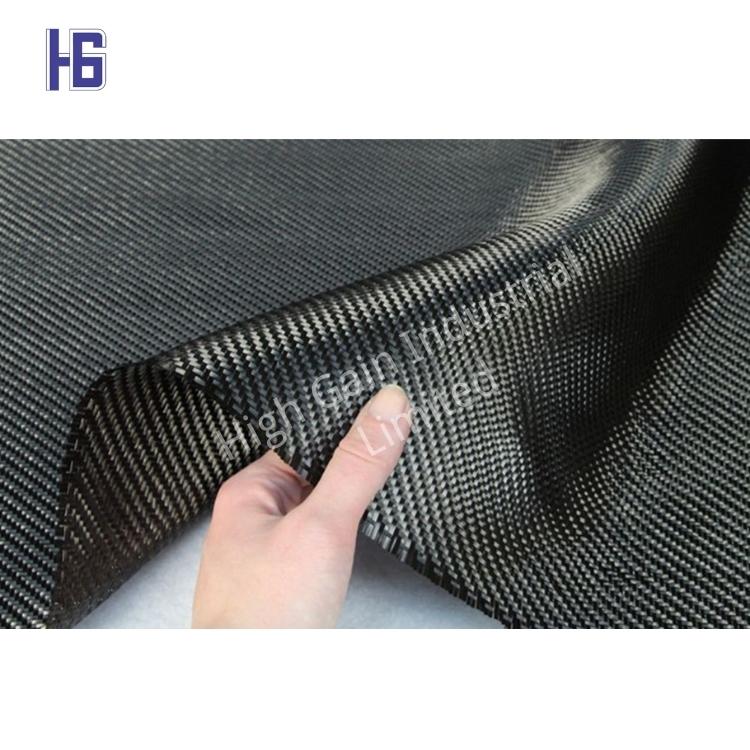
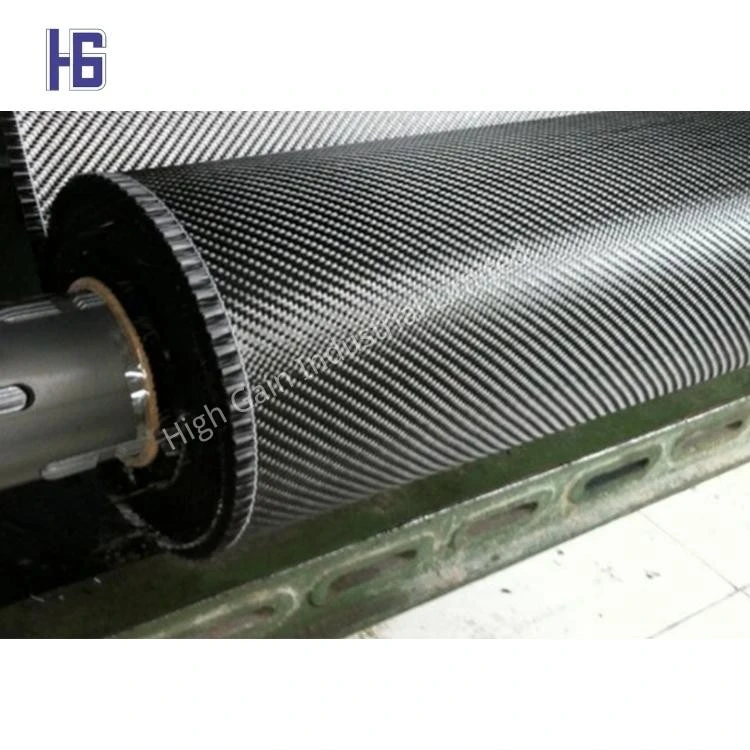
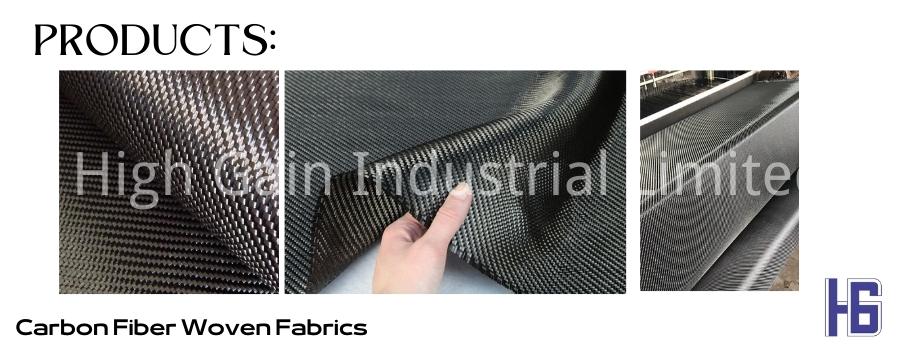
In the realm of advanced materials, Carbon Fiber Structured Materials stand out as a transformative innovation that has profoundly influenced various industries. These textiles, crafted from intricately woven carbon fibers, are renowned for their exceptional strength-to-weight ratio, durability, and versatility. As different sectors seek lighter, stronger, and more efficient materials, Carbon Fiber Structured Materials have emerged as a preferred choice across a variety of applications, including aerospace, automotive, sporting goods, and beyond. This article will examine the advantages of carbon fiber woven fabrics, investigate their diverse applications, and explore their future potential.
Advantages of Carbon Fiber Structured Materials
1. High Strength-to-Weight Ratio
A major advantage of Carbon Fiber Structured Materials is their outstanding strength-to-weight ratio. Carbon fibers are exceptionally strong yet lightweight, making them ideal for applications where minimizing weight is crucial without sacrificing strength. This benefit is particularly significant in the aerospace and automotive industries, where weight reduction can lead to improved fuel efficiency and overall performance.
2. Corrosion Resistance
Carbon Fiber Structured Materials exhibit remarkable resistance to corrosion and chemical degradation compared to traditional materials like metals and certain plastics. This property makes them suitable for use in harsh environments or applications involving exposure to chemicals. As a result, carbon fiber woven materials can be effectively utilized in marine applications, chemical processing equipment, and other scenarios demanding durability.
3. Stiffness and Rigidity
In addition to their strength, Carbon Fiber Structured Materials possess high levels of stiffness and rigidity. This trait is crucial for applications requiring dimensional stability and structural integrity under load. For instance, components made from carbon fiber in the aerospace sector maintain their shape and performance even in extreme conditions, enhancing overall safety and dependability.
4. Thermal Stability
Carbon Fiber Structured Materials are known for their excellent thermal stability, allowing them to withstand high temperatures without deforming or losing their mechanical properties. This quality is especially valuable in industries like aerospace and automotive, where components often face significant temperature fluctuations during operation.
5. Design Flexibility
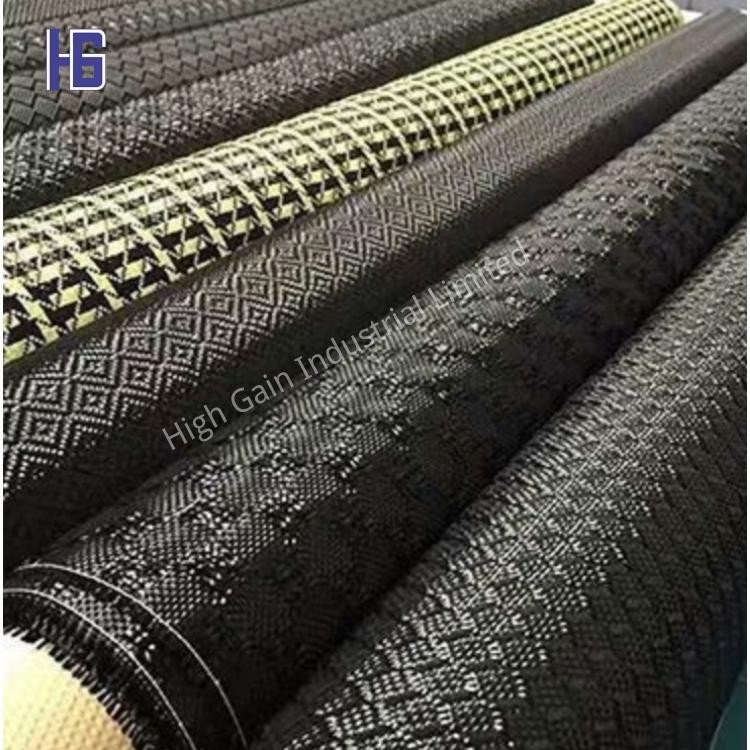
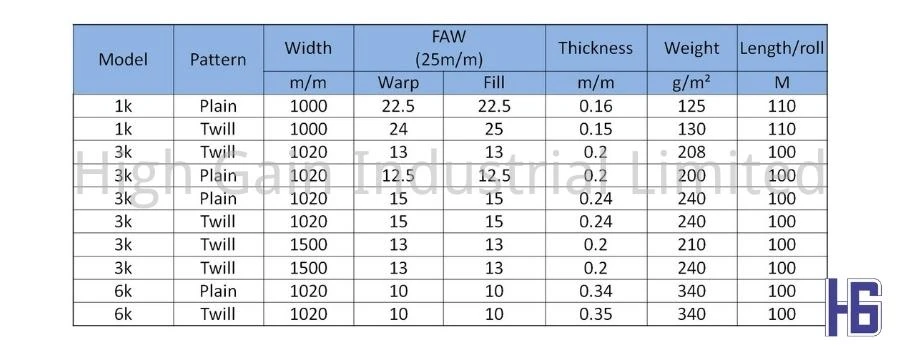
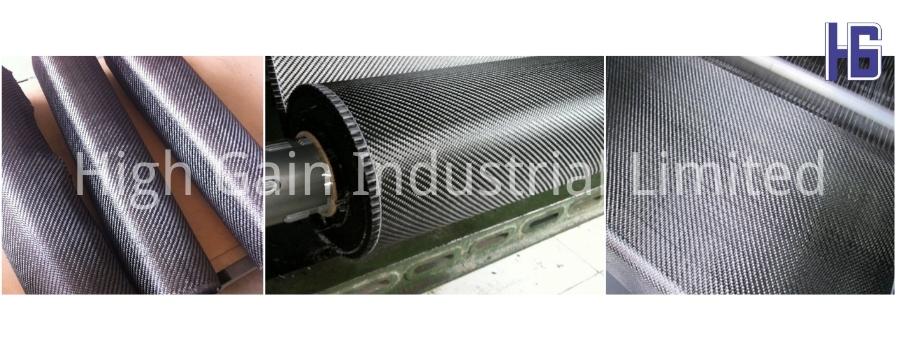
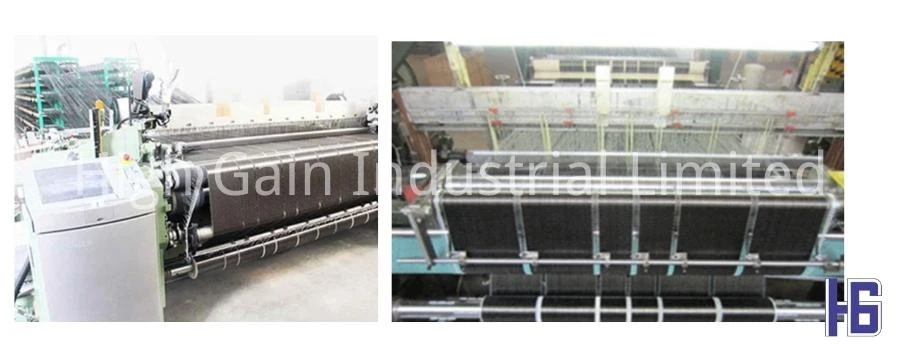
The versatility of Carbon Fiber Structured Materials enables a wide range of designs and patterns. Manufacturers can modify the weave structure, fiber orientation, and resin systems to tailor the material properties for specific applications. This design flexibility empowers engineers and designers to innovate and create complex geometries that would have been challenging to achieve with conventional materials.
6. Reduced Maintenance Costs
Due to their durability and wear resistance, Carbon Fiber Structured Materials generally result in lower maintenance costs over time. Components made from these materials require less frequent replacement and repair, leading to long-term savings for both manufacturers and end-users.
7. Eco-Friendly Options
As sustainability becomes increasingly important across various industries, manufacturers are exploring eco-friendly alternatives for carbon fiber production. Some companies are focusing on recycling carbon fiber waste and developing bio-based resins, paving the way for greener options in the creation of Carbon Fiber Structured Materials.
Applications
1. Aerospace Industry
The aerospace sector is a leading advocate for Carbon Fiber Structured Materials. Manufacturers in this industry leverage these materials to produce components that are both lightweight and strong, such as wings, fuselage sections, and internal structures. By incorporating carbon fiber, aircraft can benefit from improved fuel efficiency, increased payload capacity, and enhanced overall performance.
2. Automotive Sector
In the automotive realm, Carbon Fiber Structured Materials are becoming increasingly popular, especially in high-performance and luxury vehicles. Components like body panels, chassis parts, and interior fittings are made from carbon fiber to reduce weight and improve handling capabilities. Furthermore, racing teams utilize the advantages of carbon fiber to achieve faster lap times and optimize vehicle dynamics.
3. Sports Equipment
Carbon Fiber Structured Materials have significantly impacted the sports equipment market. From bicycles and tennis racquets to golf clubs and fishing rods, carbon fiber enhances performance due to its lightweight and robust nature. Athletes reap the benefits of advanced gear that enables higher speeds and greater accuracy, providing them with a competitive advantage.
4. Marine Applications
In the marine industry, Carbon Fiber Structured Materials are used to build lightweight and durable boats and yachts. The reduced weight of these vessels leads to better speed and fuel efficiency. Additionally, the corrosion resistance of carbon fiber ensures that these crafts retain their structural integrity even in challenging marine environments.
5. Medical Devices
In the medical field, Carbon Fiber Structured Materials are making significant strides. Prosthetic devices and orthopedic braces commonly incorporate carbon fiber for its strength, lightweight qualities, and biocompatibility. This customizable material allows for tailored solutions that enhance patient comfort and mobility.
6. Construction and Infrastructure
The construction industry is increasingly recognizing the benefits of Carbon Fiber Structured Materials for reinforcing structures and retrofitting older buildings. Carbon fiber reinforcement systems can strengthen concrete and masonry constructions, improving load-bearing capacity while prolonging their lifespan without adding substantial weight.
7. Consumer Goods
Beyond industrial applications, Carbon Fiber Structured Materials are becoming prevalent in various consumer goods. Items such as luggage, fashion accessories, and high-end furniture benefit from the durability and aesthetic appeal of carbon fiber, attracting consumers seeking premium products. Luxury brands are progressively integrating these materials into their designs, highlighting both style and functionality.
8. Robotics and Aerospace Drones
In robotics and drone technology, Carbon Fiber Structured Materials play an essential role. Carbon fiber structures enhance the agility and efficiency of drones, enabling longer flight times and higher payload capacities. Manufacturers of robotic systems also utilize carbon fiber's strength and lightweight properties when designing robotic arms and other components.
9. Sports Performance Wear
The sportswear industry is exploring the integration of Carbon Fiber Structured Materials into performance clothing. These innovative materials provide enhanced support and compression for athletes while remaining lightweight and breathable. Incorporating carbon fiber technology into apparel has the potential to improve athletic performance and aid recovery.
Conclusion
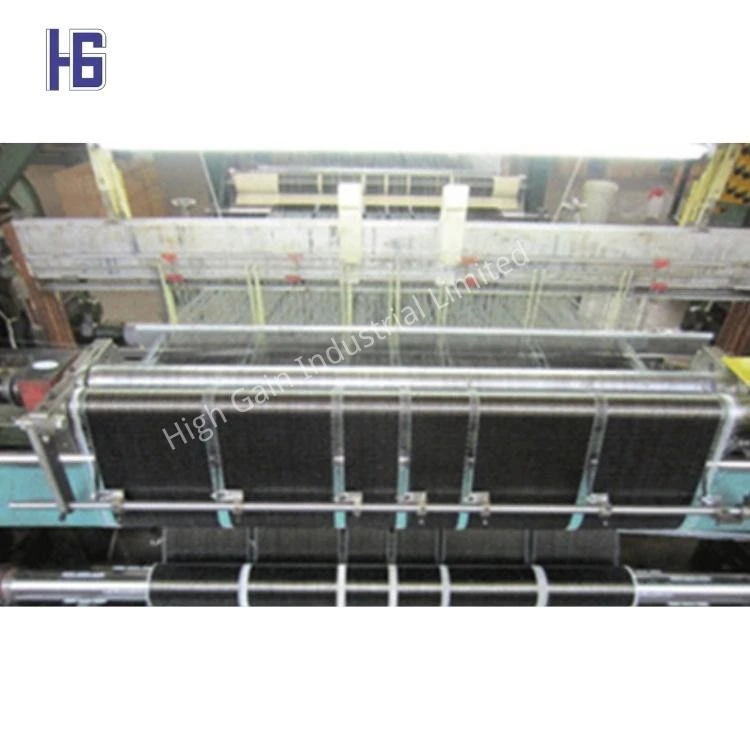
Carbon Fiber Structured Materials represent a significant advance in material science, offering a unique combination of strength, lightweight properties, and versatility that few other materials can match. The advantages of these fabrics make them an ideal choice for a range of industries, including aerospace, automotive, and consumer products. With technological advancements improving the manufacturing processes and sustainability of carbon fiber textiles, their applications are likely to expand even further.
The future of Carbon Fiber Structured Materials appears promising, with ongoing innovations leading to new uses and enhanced performance characteristics. As industries seek to meet growing demands for sustainable practices and high-performance materials, Carbon Fiber Structured Materials will play a crucial role in shaping the landscape of advanced materials. Continued research and development efforts will likely yield groundbreaking applications and improvements, solidifying carbon fiber's status as a key player in modern engineering and design.
In summary, whether in aviation, automotive, marine applications, or everyday items, Carbon Fiber Structured Materials are paving the way for a future defined by strength, efficiency, and sustainability. They have become indispensable in the quest for innovation across various sectors. As we continue to explore and harness the full potential of this remarkable material, it is clear that Carbon Fiber Structured Materials will remain at the forefront of advanced manufacturing and design for many years to come.
Hot Tags: carbon fiber structured materials, China carbon fiber structured materials manufacturers, suppliers, factory, USV boat, Carbon Fiber Prosthetic Leg, carbon badminton rackets, Vacuum Bagging Breather, UHMWPE fiber fabric, carbon fiber square bar
You Might Also Like



Send Inquiry