


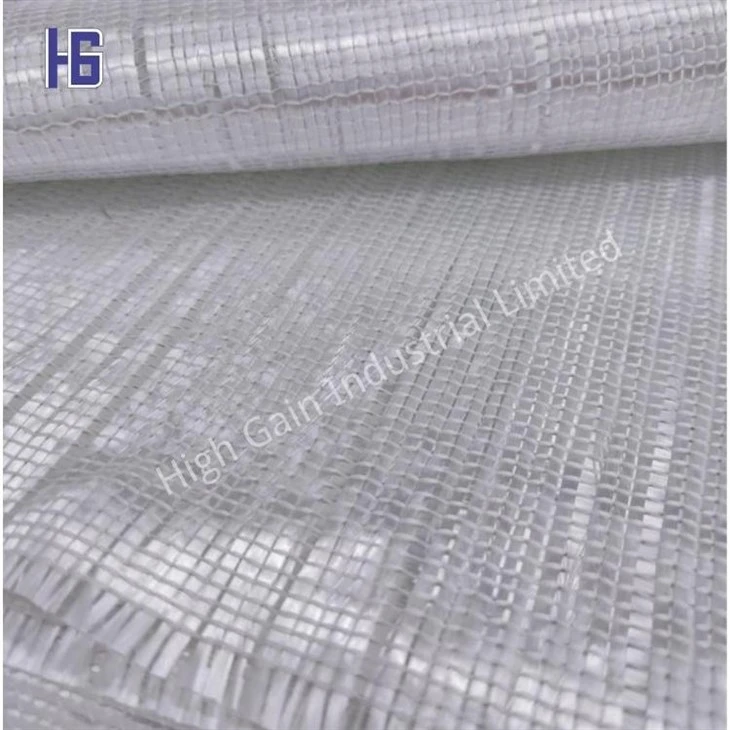

Multiaxial Fabrics Composites
Multiaxial Fabrics Composites
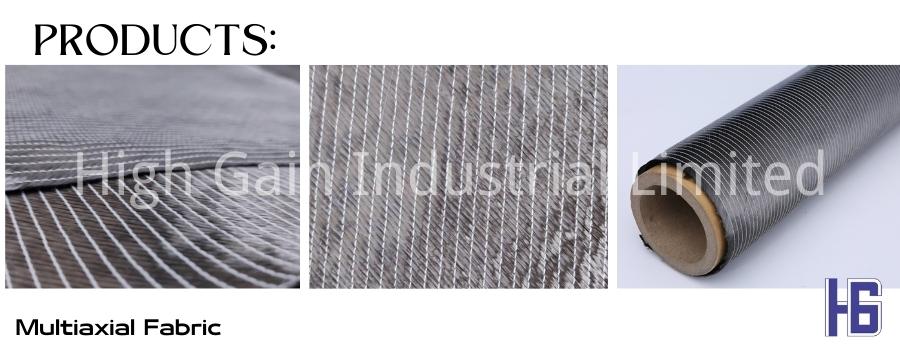
Multiaxial fabrics composites are a key component in the production of composite materials, offering a range of advantages that have made them an increasingly popular choice in various industries. This article aims to provide an in-depth understanding of multiaxial fabrics composites, its advantages, applications, and its impact on the composite material industry.
Introduction
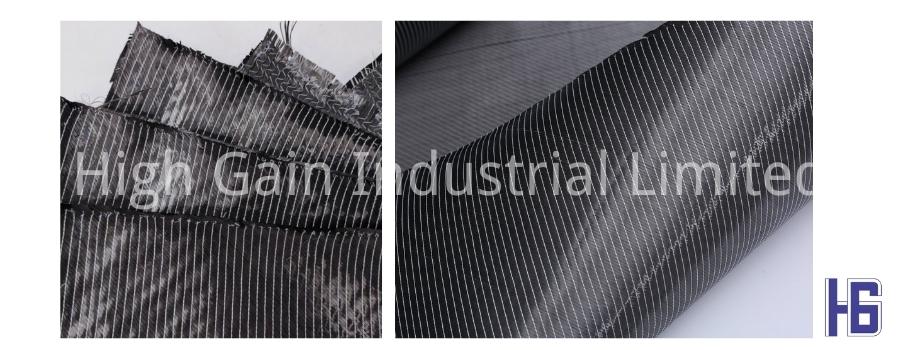
Multiaxial fabrics composites are textiles composed of two or more sets of yarns oriented in different directions. These fabrics are designed to provide optimal strength, stiffness, and durability, making them an ideal choice for reinforcing composite materials. The orientation of the yarns in multiaxial fabrics composites can be customized to suit the specific mechanical properties required for a particular application, offering versatility and performance that traditional uniaxial fabrics may not provide.

Product Name:Multiaxial fabrics composites
Main Specification for Multiaxial fabrics composites:
|
Construction |
Area Weight (g/m2) |
Tolerance (+/-%) |
Material |
|
0 º |
N/A |
3 |
N/A |
|
+45 º |
150 |
3 |
12K |
|
90 º |
N/A |
3 |
N/A |
|
-45 º |
150 |
3 |
12K |
|
Stitching |
6 |
3 |
PES 75D |
Weight: 306 grams per square meter with a tolerance of +/- 3% or 406 grams per square meter with a tolerance of +/- 3% Standard roll dimensions: 127 centimeters in width and 50 meters in length Stitch type: Pillar Stitching gauge: E5 Stitching length: 2.5mm
Advantages of Multiaxial fabrics composites
1. Improved Mechanical Properties
Multiaxial fabrics composites allow for the precise control of fiber orientation, resulting in enhanced mechanical properties such as tensile strength, stiffness, and impact resistance. This makes them ideal for applications where structural integrity is paramount.
2. Tailored Performance
Manufacturers can customize the orientation and type of fibers in Multiaxial fabrics composites to meet specific performance requirements, ensuring that the resulting composite material is optimized for its intended use.
3. Reduced Manufacturing Time and Costs
The use of Multiaxial fabrics composites can streamline the manufacturing process by eliminating the need for cutting and aligning multiple layers of unidirectional fabrics. This not only saves time but also reduces material waste, leading to cost savings.
4. Improved Fatigue Resistance
The multiaxial arrangement of fibers in these fabrics can enhance the fatigue resistance of composite materials, making them suitable for applications subjected to cyclic loading and stress.
5. Enhanced Conformability
Multiaxial fabrics composites offer improved drapability and conformability, allowing for easier layup on complex molds and curved surfaces, thereby expanding the range of applications for composite materials.
Conclusion
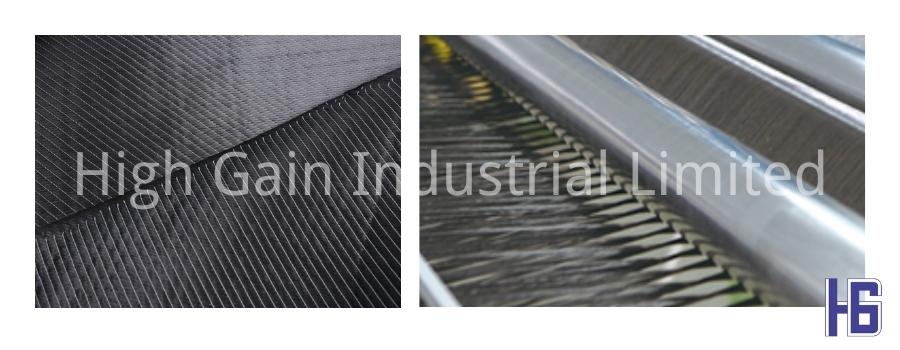
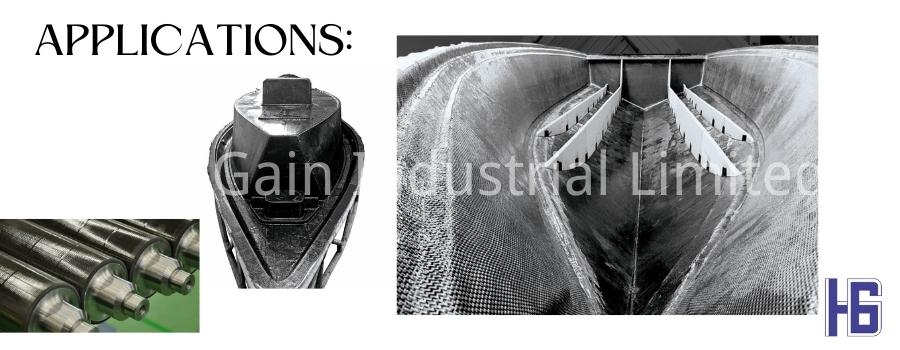
Multiaxial fabrics composites have revolutionized the production of composite materials by offering superior mechanical properties, tailored performance, and cost-efficiency. Their impact spans across diverse industries, ranging from automotive and aerospace to renewable energy and recreational equipment. As technology continues to advance, the versatility and adaptability of multiaxial fabrics composites are expected to drive further innovation in the development of high-performance composite materials, contributing to the creation of lighter, stronger, and more durable products across various sectors.
Hot Tags: multiaxial fabrics composites, China multiaxial fabrics composites manufacturers, suppliers, factory, 3K prepreg, carbon fiber glitter fabric blue, carbon fiber ud prepreg, fep film roll, Carbon Fiber Filament Winding Arrow, Aramid woven fabric
You Might Also Like


Send Inquiry