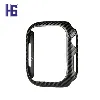
3 Ways to Avoid Air Bubbles Trapped in Carbon Fiber Products

Carbon fiber products are popular in a variety of industries for their strength, lightweight nature, and durability. However, one issue that can arise during production is the presence of air bubbles trapped inside the material. These bubbles can compromise the strength and physical properties of the carbon fiber products. In this article, we will explore three ways to avoid air bubbles during the production of carbon fiber products.
1. Vacuum Infusion Process
One way to avoid air bubbles is to use the vacuum infusion process during production. This method is excellent for creating a solid, dense composite with no trapped air bubbles. In the impregnation stage, the fibers are laid out on the mold, and then a vacuum bag is placed over it.
This vacuum bag is purged of any air, creating a vacuum that draws the resin through the fibers, filling any gaps between them. This method ensures that the resin fills in every gap in the carbon fiber. Plus, the vacuum infusion process is excellent for large and complex molds, as it offers consistent and reliable results.
2. Thorough Mixing of Resin
To avoid air bubbles, it’s essential to mix the resin thoroughly and slowly. The mixing process should take adequate time to ensure all the ingredients have evenly mixed. The carbon fiber is laid out on the mold, and the resin is then added slowly to the surface.
By adding resin slowly, air bubbles get a chance to escape, and resin can seep into even the tiniest of gaps between the carbon fibers. Additionally, using the right mixer can reduce the number of air bubbles formed during the mixing process.
3. Heat Curing and Post Curing
Another way to avoid air bubbles is to use heat curing and post-curing techniques during the production of carbon fiber products. Air bubbles can form when bubbles are not removed during curing, leading to weaknesses in the material. By using heat-curing methods, any excess air can escape the mold, leading to a solid, dense composite.
Additionally, post-curing can remove any residual air pockets and increase the strength and durability of the material. This process involves placing the product into an oven for several hours, depending on the size and complexity of the mold.
In conclusion, carbon fiber products are popular for their durability, lightweight nature, and strength. By using vacuum infusion processes, thorough mixing of resin, and heat-curing or post-curing techniques, you can avoid air bubbles and create stronger and more reliable carbon fiber products. Implementing these methods can lead to confident and reliable products, and also reduce manufacturing costs over the long term.