Advantages of Using Composite Materials in Oil Pipes
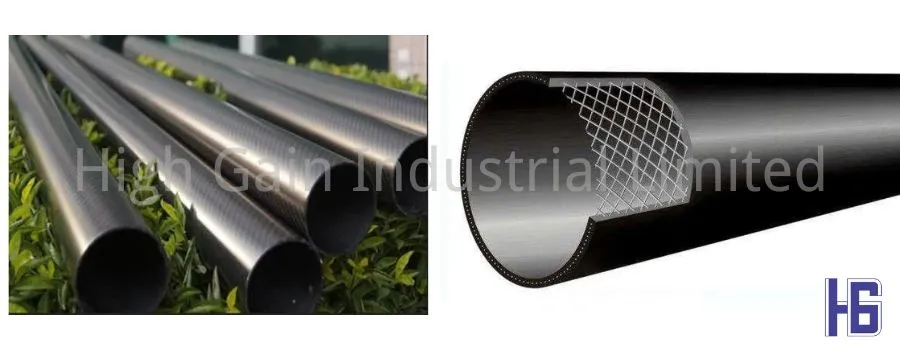
In recent years, the use of composite materials in oil pipes has become increasingly popular in the energy industry. Composite materials are defined as materials made up of two or more constituent materials that have different physical or chemical properties, resulting in a product with enhanced or superior properties compared to the individual materials. The use of these materials presents numerous advantages over traditional metal pipes, making them an excellent choice for use in the oil and gas industry.
One of the most significant advantages of composite materials is their strength and durability. Composites are known for their superior mechanical properties, such as high strength-to-weight ratio and resistance to corrosion and fatigue. These properties make composite oil pipes stronger and more durable than traditional metal pipes, reducing the likelihood of leaks and failure due to harsh environmental conditions, pressure, and temperature variations.
Another major advantage of composite materials used in oil pipes is their resistance to corrosion. Corrosion is a significant issue in the oil and gas industry since it can lead to leaks and failure of pipes. The use of composite materials in oil pipes eliminates this problem, as they are naturally resistant to corrosion, and they do not rust or corrode over time. This reduces the costs of maintenance and repairs and increases the lifespan of the oil pipelines.
Composite materials are also more lightweight than metal pipes, making them easier to transport and install. They can also be manufactured in long lengths, which reduces the number of joints required to connect the pipes, decreasing the likelihood of leaks in the pipeline. This contributes to a more efficient and safer operation of the pipeline.
The use of composite materials in oil pipes also has environmental benefits. Composite materials are recyclable, which means they remain eco-friendly even at the end of the pipeline's lifespan. Moreover, composite materials do not release any harmful pollutants or toxic chemicals into the environment, ensuring a safer and healthier environment.
In conclusion, the use of composite materials in oil pipes is a beneficial choice for the energy industry. The materials' mechanical properties, resistance to corrosion, and environmental benefits offer significant advantages over traditional metal pipelines. As the demand for energy grows, composite materials offer an excellent solution for the construction and maintenance of reliable and durable oil pipelines.