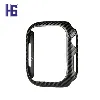
After the Carbon Fiber Product is Cured, What’s Next?

Carbon fiber is one of the most sought-after materials in the world of manufacturing and engineering industry, thanks to its remarkable strength-to-weight ratio, corrosion resistance, and durability. However, carbon fiber products don't become fully functional just by curing the mold. There are several post-formation procedures that are carried out to ensure that the products meet the desired quality and performance standards.
Here are some of the post-formation procedures that are typically involved in the process of creating high-quality carbon fiber products:
Trimming and Sanding
After the product is cured, it's usually trimmed using a saw or other cutting tools to remove excess material. The edges are then sanded down and polished to create a smooth, even finish. This not only enhances the aesthetics of the final product but also minimizes the risk of sharp or jagged edges that could potentially harm the user.
Drilling and Tapping
Some carbon fiber products require holes for screws, bolts, or other fasteners. In such cases, the surface area must be drilled carefully to avoid damaging the product's structure or weakening the material. Tapping threads into these holes also needs to be done with precision to ensure that they can adequately support any attachments or fittings.
Applying a Protective Coating
While carbon fiber is highly resistant to corrosion and wear, it's essential to apply a protective coating to the surface to ensure that it can withstand harsh environmental conditions and extended use. The coating helps to prevent UV damage, oxidation, and chemical exposure, which can otherwise degrade the product's structural integrity and affect its performance.
Quality Control Inspections
Every carbon fiber product that comes out of the production line must undergo rigorous quality control inspections to ensure that it meets the desired standards. Some of the tests include visual inspections, dimensional measurements, and material strength testing. Once the product passes these tests, it's ready for packaging and distribution to customers.
In conclusion, post-formation procedures after curing in the mold are crucial in ensuring that carbon fiber products are fit for purpose. Trimming, sanding, drilling and tapping, applying a protective coating, and quality control inspections are all critical aspects of creating quality carbon fiber products. These procedures add value to the product by enhancing its aesthetics, protection, and performance, thereby increasing its useful lifespan. Hence, these procedures must be taken seriously and carried out diligently to create high-quality carbon fiber products that can meet the diverse needs of the industry.
High Gain offers total solutions for a carbon fiber product including all the post-production procedures say sanding and paint spraying. We have our paint-spraying area allowing us to do different kinds of surface patterns according to customers’ need.