Application of Carbon Fiber in Unmanned Aerial Vehicles
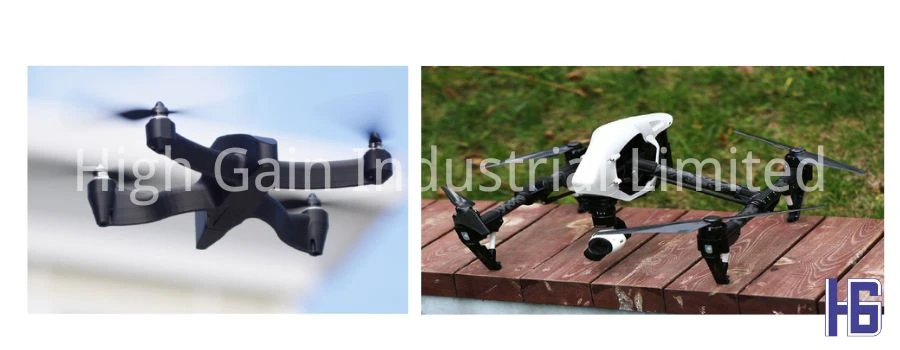
Carbon fiber is a popular material used in manufacturing products that require durability, strength, and light weight, such as unmanned aerial vehicles (UAVs). Carbon fiber materials have been used to design and build different types of unmanned aerial vehicles with capabilities unimaginable a decade ago.
Carbon fiber is a strong and lightweight material that can withstand the impact of strong winds, high altitude, and other environmental conditions that UAVs may encounter. It also has a high strength-to-weight ratio that allows for additional payloads to be carried by UAVs.
One of the key advantages of carbon fiber in UAVs is its ability to provide stability during flight. The material is used to create UAV frames, wings, and other structural components that can withstand temperature changes and other weather conditions that are common at high altitudes.
In addition, carbon fiber is corrosion-resistant and does not degrade in sunlight, making it an ideal material for UAVs that operate in challenging environments. The material also has a lower thermal expansion coefficient than aluminum or steel, allowing it to maintain its properties even in extreme temperatures.
Another great benefit of carbon fiber is its aerodynamic properties. The lightweight and strong material allows the UAV to have a better lift-to-drag ratio. This translates to better fuel economy, longer flight time, and greater agility in the air.
Furthermore, the use of carbon fiber in UAVs also has implications for military and security purposes. The material is tough enough to provide UAVs with some cover in the event of crashes or impacts, which makes them effective in reconnaissance or surveillance missions in war zones.
Carbon fiber also offers a versatile platform to integrate other technologies such as sensors, cameras, and other electronics that enhance the capabilities of UAVs. These add-ons can leverage advanced algorithms and machine learning solutions, further broadening its application areas.
In conclusion, carbon fiber is an incredibly versatile and useful material for the development of unmanned aerial vehicles. It provides the strength, durability, and flexibility required for UAVs to operate successfully in a variety of environments. This is why it is increasingly being used by manufacturers of UAVs who are keen on enhancing their products' overall performance.