Brief Introduction of Thermoplastic Carbon Fiber Materials
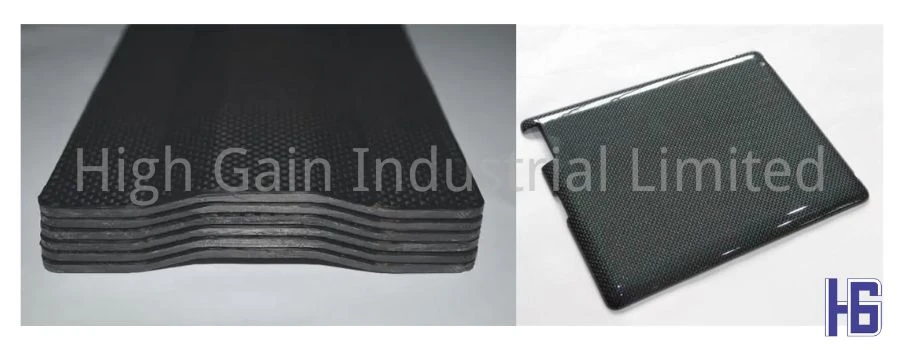
Thermoplastic carbon fiber materials have gained popularity in recent years due to their unique properties. These materials offer a combination of high strength, low weight, and excellent moldability, making them a preferred choice for various applications in different industries.
Thermoplastic carbon fibers are made by impregnating carbon fiber with a thermoplastic resin such as polyamide, polypropylene, and PEEK. The process involves first heating the resin to a melt state and then infusing it into the carbon fiber, where it hardens upon cooling. The resulting material is a composite that is strong, lightweight, and easily molded into any desired shape.
The use of thermoplastic carbon fiber materials has increased in the aerospace industry due to its high strength-to-weight ratio. These materials are used for manufacturing aircraft components such as wings, fuselage, and interior parts. They offer an excellent combination of stiffness and toughness, with the ability to withstand high temperature and impact resistance.
The automotive industry is another sector that has adopted thermoplastic carbon fiber materials. Car manufacturers now use these materials to produce car parts such as bumpers, spoilers, and interior components, among others. The materials help in reducing the overall weight of the vehicle, which enhances fuel efficiency and reduces CO2 emissions.
Thermoplastic carbon fiber materials are also used in the sporting industry, particularly in the manufacturing of bicycles, golf club shafts, and ski poles, among other equipment. These materials offer high stiffness and strength, making them suitable for sports equipment that requires controlled flexibility and agility.
In conclusion, the use of thermoplastic carbon fiber materials has revolutionized different industries by providing materials that meet the desired specifications in terms of strength, weight, and flexibility. As technology advances, we can expect the application of these materials to increase in various other industries, providing a more sustainable and efficient future.