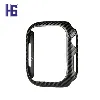
Can carbon fiber shaped parts be produced in the future using fully automated manufacturing processes?
The application value of carbon fiber composite materials has been recognized by many industries. Its high mechanical strength and extremely lightweight make it an important aspect in the development of industrial lightweighting. However, unlike metal products that can be completed through melting and casting, the processing of carbon fiber components requires a lot of manual operations, combined with equipment for curing and subsequent surface treatment. Industrial components made of carbon fiber composites, other than sheets, pipes, and rollers, are all products of various shapes. During the processing, manual laying not only increases a significant amount of operation time but also raises the risk of failure. Can carbon fiber components be processed and manufactured automatically in the future?
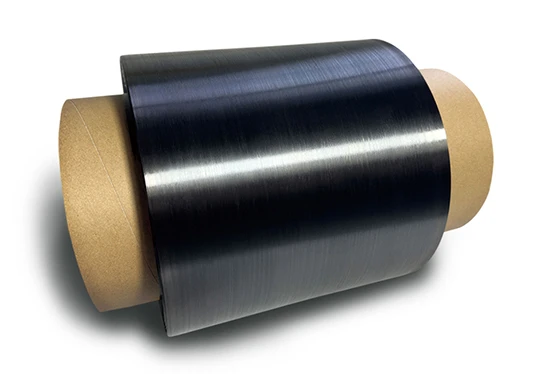
Carbon fiber shaped parts are often produced using manual laying methods for several reasons:
Complex geometric shapes: The geometry of carbon fiber shaped parts is often very complex or irregular, making it difficult to use fiber winding or automated fiber placement (AFP) and tape laying (ATL) for automation. Especially in areas with corners and edges, manual operations are required to achieve the desired effect. Moreover, in custom carbon fiber parts, manual operations offer greater flexibility.
Small production scale: The quantity of carbon fiber shaped parts is often limited, or the parts themselves are relatively small in size. Therefore, manufacturers may opt for manual laying due to the low volume of production orders, which makes it unnecessary to invest in automated equipment. Automated equipment is costly and may not be cost-effective for small-scale production projects. In terms of processing costs, manual laying provides a higher cost-effectiveness ratio, as experienced operators can still produce high-performance carbon fiber shaped parts.
Achieving performance limits: Many carbon fiber shaped parts have high performance requirements, necessitating precise control of fiber orientation during the laying process to achieve superior mechanical properties such as strength, stiffness, and fatigue resistance. With the current manual laying process, technicians can leverage their expertise to adjust fiber orientation and layering more flexibly and efficiently to meet these performance goals.
Equipment complexity: Automated fiber placement and tape laying equipment require programming and continuous adjustments to execute repetitive tasks efficiently. Setting up such equipment involves significant time and material costs. Hence, this production method is more suitable for industries like aerospace, particularly in the production of large aircraft wing components.
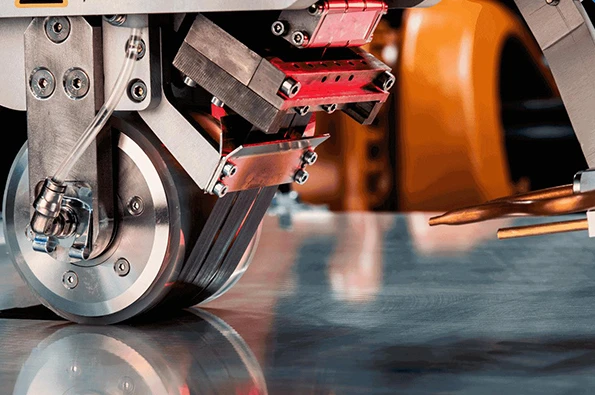
Can carbon fiber automated fiber placement (AFP) and tape laying (ATL) technologies be popularized?
There have been several cases of the application of carbon fiber automated fiber placement (AFP) and tape laying (ATL) technologies, such as in large aircraft wings, wind turbine blades, and hydrogen storage tanks. As the technology for automated fiber placement and tape laying continues to advance in the production of these carbon fiber components, and equipment debugging is constantly improving, more carbon fiber products are likely to adopt this technology in the future.
Positive factors for the popularity of automated fiber placement (AFP) and tape laying (ATL) technologies:
Increased production speed and efficiency: Compared to manual laying, automated fiber placement (AFP) and tape laying (ATL) processes can significantly improve manufacturing speed, enabling consistent and repeatable production. This is particularly beneficial for industries requiring high production volumes and quality control, such as aerospace, automotive, and wind energy sectors.
Precision and material optimization: Automated fiber placement (AFP) and tape laying (ATL) processes allow for precise control of fiber orientation and layout, leading to superior part performance (strength, stiffness, etc.). This level of control helps minimize material wastage and ensures the optimal use of expensive carbon fiber materials. Additionally, automated processes reduce the risk of human errors, resulting in more uniform products being produced.
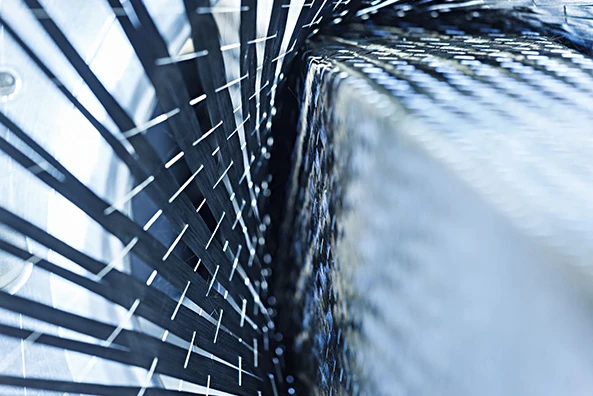
Challenges in the popularization of automated fiber placement (AFP) and tape laying (ATL) technologies:
High initial investment: Automated fiber placement (AFP) and tape laying (ATL) equipment require significant capital investment, with expensive equipment prices and a complex installation process. This makes it easier for well-funded large manufacturers to adopt this technology, but it presents a difficult barrier for small and medium-sized enterprises.
Complexity of programming and debugging: Automated fiber placement (AFP) and tape laying (ATL) equipment require specialized programs to create fiber lay-up solutions for different parts. Programming the machines to follow complex paths for intricate or irregular geometries can be time-consuming and requires expertise.
Limitations in handling complex shapes: Automated fiber placement (AFP) and tape laying (ATL) technologies are more suited for producing larger, relatively simple shapes such as flat or slightly curved surfaces. When encountering very complex or tight radii shapes, manual intervention or advanced tool modifications may still be needed. For parts with highly complex geometries, deep contours, or tight angles, manual laying remains the preferred method.
Material compatibility: Not all carbon fiber composite materials are compatible with automated fiber placement (AFP) and tape laying (ATL) processes. Some highly customized or specialty prepreg materials may not integrate well with automated systems, limiting the flexibility of these processes in applications.