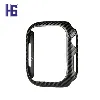
Carbon Fiber CNC Machining: Disrupting Tradition, Customizing the Future.
With the continuous advancement of technology, carbon fiber materials, known for their lightweight and high strength characteristics, are gradually becoming favorites across various industries. However, in the face of the diverse demands for carbon fiber and the complexity of processing technologies, what is carbon fiber CNC machining? Why choose carbon fiber CNC machining? Let's delve into these questions to explore the importance and advantages of carbon fiber CNC machining.
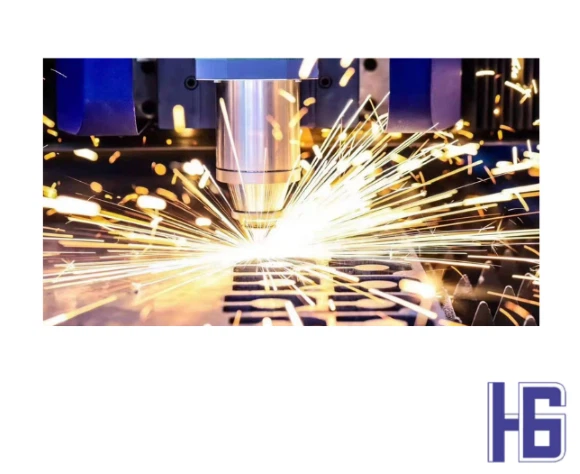
Question 1: What is Carbon Fiber CNC Machining?
Carbon fiber CNC machining refers to the process of precisely cutting, engraving, and processing carbon fiber materials using computer numerical control (CNC) technology. Traditional manual machining can accomplish some basic shapes, but it often falls short of meeting the demands for complex structures and high precision. CNC machining allows for the precise control of machine tool movements and processing parameters according to CAD (computer-aided design) files, enabling efficient and accurate production of carbon fiber components.
Question 2: What are the Advantages of Carbon Fiber CNC Machining?
Firstly, CNC machining offers a high degree of automation and precision, allowing for the processing of complex geometries and intricate structures, thereby fulfilling various personalized and customized needs. Secondly, the inherent advantages of carbon fiber materials-lightweight and high strength-can be further enhanced through CNC machining, such as in the manufacturing of components for aerospace applications, automotive racing equipment, and high-end sporting goods. Additionally, CNC machining can improve production efficiency and the stability of product quality, significantly reducing the impact of human factors on processing accuracy.
Question 3: What are the Application Scenarios for Carbon Fiber CNC Machining?
Carbon fiber CNC machining is widely used in high-end fields such as aerospace, automotive, sporting goods, and medical devices. For example, the aerospace sector requires lightweight and high-strength components, and carbon fiber CNC machining can meet its dual challenges regarding material performance and precision requirements. In the automotive racing field, carbon fiber CNC machining can produce bodywork and other parts that meet racing performance standards. Moreover, in medical devices, carbon fiber CNC machining is also utilized to manufacture high-precision surgical tools and implants, enhancing surgical success rates and patient comfort.
Question 4: How to Choose Carbon Fiber CNC Machining Services?
When selecting carbon fiber CNC machining services, it's essential to consider the supplier's technical capabilities, the sophistication of their equipment, machining experience, and customer service levels. A reputable supplier should not only offer professional machining techniques and personalized customization services but also be able to optimize designs and improve processes based on customer requirements, ensuring that the final product meets high-quality standards.
In summary, carbon fiber CNC machining represents not only a technological advancement but also a response to the growing demand for customization. Choosing carbon fiber CNC machining allows for the acquisition of high-performance and high-precision products while achieving personalized customizations to meet the diverse needs of different industries and users. Whether you require complex structures for aerospace components or elegantly designed sporting goods, carbon fiber CNC machining will be your ideal choice.