As urban rail transportation becomes more sophisticated, options such as cars and high-speed trains have become popular travel choices. Reducing energy consumption and costs in this sector is critical, and carbon fiber composites offer a promising solution. These materials offer excellent strength, corrosion resistance, high temperature tolerance, aging resistance, and design flexibility. Most importantly, their light weight makes them ideal for various rail transportation applications, such as moving walls and carriages.

1. Front Part Application
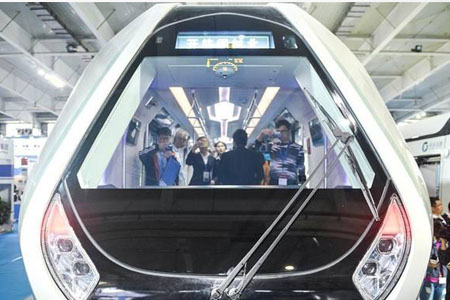
Carbon fiber reinforced composites are used in the design of the pavement and links in the front part of moving cars or high-speed rail. The carbon fiber hood, known for its high impact resistance and good mechanical properties, has improved flame retardancy through resin additives, greatly improving fire safety in the railway industry.
2. Brake Pad Application
Carbon fiber brake pads can withstand greater thermal impact during braking, produce less noise, and offer better wear resistance and lower wear rates compared to steel fiber brake pads. They also exhibit strong corrosion resistance, which extends the life of the brake pads.
3. Body Application
Modern rail car bodies use integral steel or light metal structures to achieve optimum weight while meeting strength and stiffness requirements. Carbon fiber sandwich composites with aluminum honeycomb structures offer simpler lightweighting solutions. Compared to traditional aluminum alloy bodies, composite shells reduce total mass by 40% while maintaining required performance standards for static strength, fatigue strength and fire safety.
4. Vehicle Interior Decoration Application
Flame-retardant carbon fiber-reinforced materials are used for interior decorative panels, toilets, seats, water tanks, car headliners and double-decker bus roof panels. These materials improve fire safety, hygiene and corrosion resistance of toilets, washrooms, seats and water tanks.
5. Bogie Application
As critical high-strength components in high-speed trains, bogies support the vehicle body, facilitate steering and braking, and ensure safe and smooth operation. Made of carbon fiber composite materials, bogies are 30% lighter than conventional steel frames while meeting safety, comfort, wear resistance and maintenance requirements.
6. Equipment Compartment Application
The main load-bearing structural member of the equipment compartment, the curved beam, uses carbon fiber-reinforced composite prepreg cross-layered design and is manufactured by bag compression molding, resulting in high sample yield and controllable cost. Another key member, the beam, is made using vacuum-injected carbon fiber composite molding with curved aramid honeycomb sandwich structures to enhance performance.
These six application scenarios demonstrate how carbon fiber composites contribute to the lightweight design of high-speed rail and moving trains, while maintaining high strength, flame retardance, and other desirable properties in various components, from small bogies to large compartment exteriors.