Walk through any modern city, and you're surrounded by carbon fiber-you just don't notice it. This space-age material, 10 times stronger than steel at half the weight, has quietly infiltrated our lives since Formula 1 teams first raced with carbon fiber monocoques in the 1980s. What began as a niche aerospace technology now shapes how we work, play, and move.
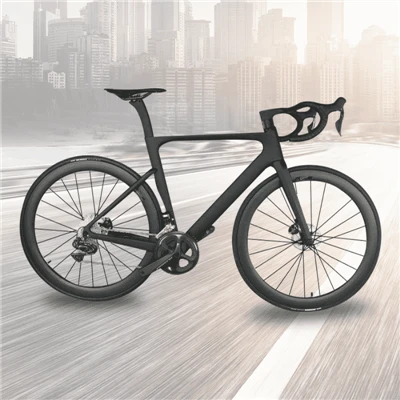
Consider your morning commute. The bicycle chained outside might feature a frame lighter than a laptop bag-Specialized's S-Works Aethos road bike weighs just 6.6 kg thanks to strategically layered carbon fiber. Even the bus passing by likely uses carbon-reinforced brake pads that outlast conventional versions by 30,000 miles.
At the office, your colleague's premium laptop-say, the 907-gram Dell XPS 13-derives its ruggedness from a carbon fiber palm rest molded using techniques originally developed for helicopter blades. The drone filming the nearby construction site? Its carbon fiber arms allow 45-minute flight times impossible with aluminum.
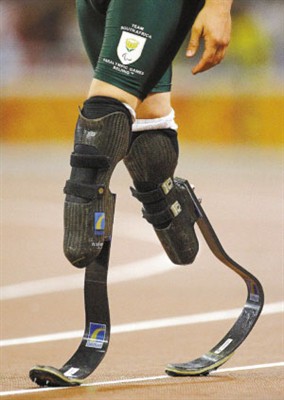
Healthcare reveals deeper impacts. At Boston's Spaulding Rehabilitation Hospital, patients test carbon fiber prosthetic legs that mimic natural gait dynamics through precisely tuned flexibility. Unlike clunky metal alternatives, these prostheses weigh less than 1.5 kg while supporting 100 kg loads-a marriage of strength and subtlety that's restoring mobility with dignity.
Even our homes are changing. Dutch architects recently completed a canal house using carbon fiber-reinforced concrete, slicing material use by 60% while maintaining structural integrity. The "black rebars" hidden within its walls illustrate carbon fiber's ultimate paradox: its greatest power lies in being unseen.
From the shoes on your feet (adidas' carbon-plated running sneakers) to the wind turbine blades powering your city, carbon fiber proves advanced materials needn't be exotic-just ingeniously applied. Its true legacy? Making the extraordinary ordinary, one invisible strand at a time.