Electric Conductivity and Thermal Resistance of Carbon Fiber
Carbon fiber products are most renowned for their incredible strength, lightweight and durability. In addition to these features, carbon fiber products also exhibit high electricity conductivity and outstanding heat resistance, making them a highly versatile material that can be used across a variety of fields.
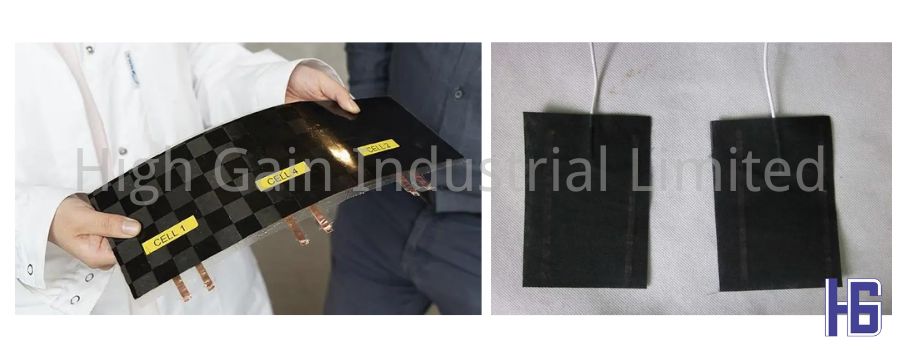
Electricity conductivity is the ability of a material to allow current to flow through it. Carbon fiber products have high electrical conductivity due to the high carbon content and its tightly packed molecular structure. This property makes them ideal for use in high-tech industries such as aerospace and automotive engineering, where electrical conductivity is essential.
Furthermore, carbon fiber products also exhibit remarkable heat resistance. The carbon fibers themselves do not melt, and they can withstand high temperatures without breaking down or losing their structural integrity. This property makes carbon fiber products ideal for use in high-temperature applications such as aerospace and automotive engineering.
In terms of heat resistance, carbon fiber surpasses the performance of most metals and alloys. For instance, metals such as steel tend to weaken, bend or buckle under extreme heat, potentially leading to catastrophic failures. Carbon fiber, on the other hand, retains its strength, stiffness, and shape even after being exposed to high temperatures, making it an ideal material for a wide range of challenging applications.
In conclusion, carbon fiber products possess unique properties of high electricity conductivity and remarkable heat resistance. These features make them a highly sought-after material, especially in high-tech industries that demand exceptional performance. Although carbon fiber products represent a significant investment, their extraordinary properties and durability make them a worthy investment for those looking for a long-lasting and reliable solution.