Factors Affecting the Physical and Mechanical Properties of Carbon Fiber Products during Production
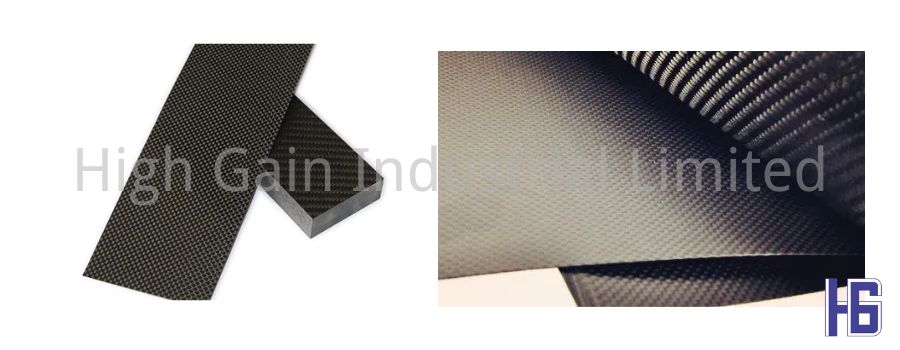
Carbon fiber is widely used in various industries like aerospace, automotive, renewable energy, and sports equipment due to its unique physical and mechanical properties. The production of carbon fiber products involves several factors that affect their quality and functionality. In this article, we will discuss the factors affecting the physical and mechanical properties of carbon fiber products during production.
1. Raw Materials
The quality of the raw materials used to produce carbon fibers plays a significant role in determining the physical and mechanical properties of the final product. Carbon fibers are made from materials like polyacrylonitrile (PAN), petroleum pitch, and rayon. The choice of the raw material is essential as it influences factors like strength, stiffness, density, and thermal stability.
2. Manufacturing Process
Carbon fibers are produced using different manufacturing processes, such as the PAN-based process, pitch-based process, and electrospinning process. The manufacturing process has significant effects on the resulting physical and mechanical properties of the carbon fiber products. For instance, the PAN-based process results in carbon fibers that are high in strength and stiffness. In contrast, the pitch-based process produces carbon fibers that are less stiff but more thermally stable.
3. Temperature and pressure
Temperature and pressure are vital factors in the production of carbon fiber products. The manufacturing process involves the use of high temperature and pressure during the carbonization process, which is responsible for converting the precursor material into carbon fibers. The temperature and pressure used during carbonization significantly affect the final physical and mechanical properties of the carbon fiber products.
4. Fiber Orientation
The orientation of carbon fibers during the manufacturing process is essential in determining the physical and mechanical properties of carbon fiber products. The fiber orientation plays a vital role in the strength, stiffness, and toughness of the final product. Fiber orientation can be controlled through various techniques like weaving, braiding, and filament winding.
5. Fiber Density
The density of carbon fibers is another critical factor that affects the physical and mechanical properties of carbon fiber products. The density of carbon fibers is dependent on the raw material used, manufacturing process, and fiber orientation. High-density carbon fibers result in products that are stronger and stiffer, while low-density carbon fibers produce products that are more flexible and easier to handle.
In conclusion, the factors that affect the physical and mechanical properties of carbon fiber products during production are numerous. Therefore, manufacturers must carefully control these factors to produce high-quality carbon fiber products that meet specific requirements. Furthermore, the proper selection of raw materials, manufacturing process, temperature, pressure, fiber orientation, and fiber density can lead to the effective utilization of carbon fiber's unique properties. This way, carbon fiber products can contribute significantly to the advancement of various industries.