Carbon fiber, a high-performance material known for its strength, lightweight properties, and versatility, has found significant applications in the medical device industry. This article explores how carbon fiber is revolutionizing healthcare technology through its unique characteristics and diverse medical applications.
Key Properties of Carbon Fiber for Medical Use
High Strength and Stiffness
Carbon fiber composites exhibit exceptional tensile strength and stiffness, making them suitable for load-bearing applications in the human body. This property is particularly valuable in implants and prosthetics, where durability and resistance to mechanical stress are crucial.
Low Weight
The lightweight nature of carbon fiber reduces the burden on patients, especially in devices that are worn externally or implanted internally. This is beneficial for improving patient comfort and mobility.
Biocompatibility
Carbon fiber is biocompatible, meaning it is well-tolerated by the human body and does not trigger adverse immune responses. This property is essential for materials that come into contact with biological tissues or bodily fluids.
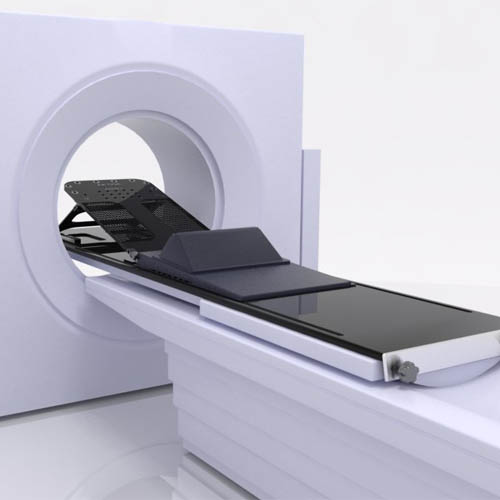
Radiolucency
Carbon fiber is radiolucent, which means it is transparent to X-rays and other imaging techniques. This property allows healthcare professionals to monitor the patient's condition without interference from the device itself.
Applications in Medical Devices
Surgical Instruments
Carbon fiber is used in the manufacture of surgical instruments such as forceps, scissors, and drills. Its high strength-to-weight ratio makes these instruments easier to handle and maneuver during delicate procedures.
Prosthetics and Orthotics
Prosthetic limbs and orthotic devices benefit greatly from carbon fiber's lightweight and strong properties. Carbon fiber prosthetics can mimic the natural movement of limbs more effectively, providing improved functionality and comfort for amputees.
Implants
Carbon fiber reinforced polymers are used in spinal implants, joint replacements, and cranial plates. These implants offer better mechanical performance and biocompatibility compared to traditional materials like metals.
Patient-Specific Devices
With 3D printing technology, carbon fiber can be used to create patient-specific medical devices. This allows for customized solutions that fit individual anatomies perfectly, improving treatment outcomes.