How is the carbon fiber photovoltaic carrier plate made?
Carbon fiber composites can be processed into products of various shapes. In addition to the well-known sports equipment, they can also be utilized in the solar energy industry. Our company has previously provided carbon fiber photovoltaic carrier plates for companies in the solar energy sector, which are lightweight, durable, and can adapt to environments with significant temperature differences between day and night. Let's take a look at what carbon fiber photovoltaic carrier plates are and how they are made.
What is a carbon fiber photovoltaic carrier plate?
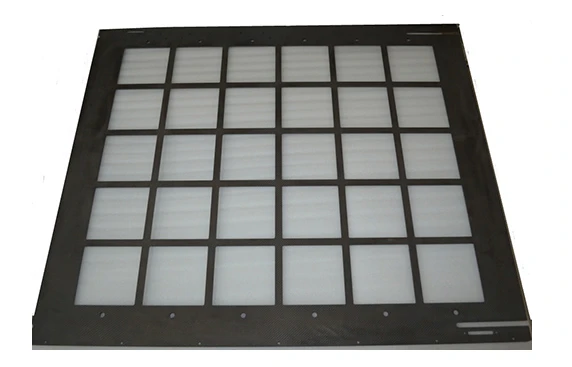
A carbon fiber photovoltaic carrier plate is a product designed to support solar photovoltaic cells, effectively securing solid photovoltaic cells onto the carrier plate for easy angle adjustment to optimize direct sunlight exposure. The carbon fiber photovoltaic carrier plate can utilize back surface passivation technology to enhance the open-circuit voltage and short-circuit current of high-crystalline silicon, thereby improving the overall conversion efficiency of the solar cells.
Under electromagnetic coating and passivation effects, the carbon fiber photovoltaic carrier plate maintains excellent material stability. Even during high-temperature testing, the performance of the carbon fiber photovoltaic carrier plate remains stable, which helps reduce the coating process of solar panels and results in outstanding product performance.
Additionally, the carbon fiber photovoltaic carrier plate exhibits certain resistance to acid and alkali corrosion, as well as high-temperature endurance, allowing it to work continuously and stably under natural sunlight without undergoing oxidation issues. Furthermore, with a low coefficient of thermal expansion, the carbon fiber photovoltaic carrier plate can also be used for extended periods in low-temperature regions.
How is a carbon fiber photovoltaic carrier plate made?
The processing of carbon fiber photovoltaic carrier plates differs from that of standard carbon fiber boards; the process is more complex and involves more steps, which means there are more issues to consider. Let's take a look at the process:
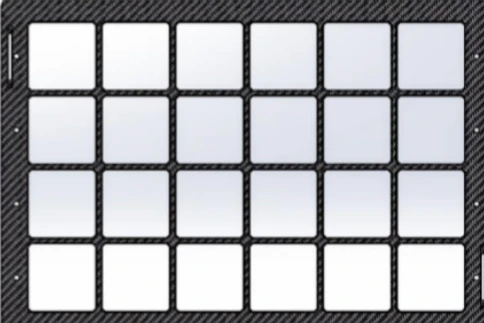
1.Design and Mold Making: The first step is to design the shape and structure of the photovoltaic carrier plate. Computer software is used to reflect the requirements in a digital format, creating a digital model. A corresponding mold for the carrier plate is then custom-made based on this model.
2.Carbon Fiber Prepreg Layering: Carbon fiber prepreg materials are cut into the required sizes and shapes, then layered in specific directions and thicknesses before being placed into the mold for compacting.
3.Curing and Forming: The carbon fiber prepreg, along with the mold, is placed in a hot press equipment where temperature and pressure are precisely controlled. Over several hours, the prepreg gradually cures and forms the initial shape of the carbon fiber photovoltaic carrier plate.
4.Surface Processing: After curing, the carbon fiber photovoltaic carrier plate is demolded, and any excess material is removed. Surface demagnetization is performed to ensure a smooth and flat surface. Additional processes such as drilling holes or assembling other components may be required before installing the photovoltaic cells.
5.Inspection and Testing: The manufactured carbon fiber photovoltaic carrier plates undergo inspection and testing to ensure structural integrity and verify that dimensions meet the specified precision requirements.
6.Integration with Photovoltaic Cells: Once testing shows no issues, the carbon fiber photovoltaic carrier plate needs to be integrated and installed with the photovoltaic cells. The previously drilled holes facilitate this process, allowing mechanical connections or adhesive bonding to be utilized.
The application of carbon fiber composites in the energy industry extends beyond just carbon fiber photovoltaic carrier plates; carbon fiber rollers are highly sought after components in the lithium battery industry, and carbon fiber wind turbine blades are also widely used by wind power companies both domestically and internationally. This demonstrates the high practical value of carbon fiber materials.