How to Ensure the Precision in Carbon Fiber Plate Production
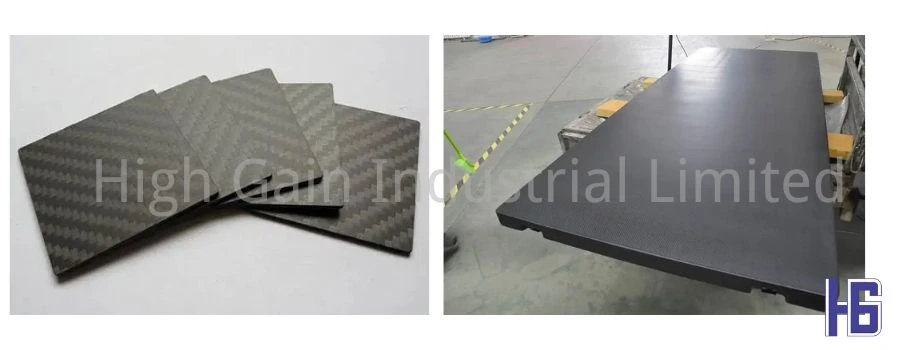
Carbon fiber plates are known for their high strength-to-weight ratio, making them an ideal material for various applications, including aerospace, automotive, and sports equipment. The process of making carbon fiber plates involves several steps, including designing, weaving, impregnating, curing, and finishing.
The first step in making carbon fiber plates is designing. Engineers and designers use computer-aided design (CAD) software to create a 3D model of the plate, which includes the thickness, size, and shape of the plate. This step is critical in ensuring the precision in thickness of the final product.
Next, the carbon fibers are woven into a fabric using a specialized machine. The weaving pattern can vary based on the intended use of the plate. For example, plates used in aerospace require a tighter weave pattern than those used in sports equipment.
Once the fabric is woven, it is impregnated with a resin using a vacuum infusion process. The resin is applied evenly to ensure that every strand of carbon fiber is fully coated. This step is crucial in providing the plate with its strength, stiffness, and durability.
The impregnated fabric is then cured in an oven at high temperatures to bond the resin to the carbon fibers. The curing process is closely monitored to ensure that the plate's thickness remains consistent throughout the process.
Finally, the finished plate is trimmed and inspected for any imperfections. Any excess material is removed, and the edges are smoothed to create a finished product.
To ensure the precision in thickness during production, several quality control measures are taken. The CAD model is reviewed and modified as needed to ensure that the product meets the desired thickness tolerance. The weaving process is closely monitored to ensure that the fabric is woven according to the design specifications. During the impregnation process, the resin is carefully applied to ensure that the thickness is consistent throughout the plate.
In conclusion, the process of making carbon fiber plates requires careful attention to detail to ensure the precision in thickness. By following a rigorous design, weaving, impregnation, curing, and finishing process, manufacturers can create high-quality carbon fiber plates that meet the needs of various industries.
High Gain produces carbon fiber plates in various sizes and thickness professionally. We know the characteristics of different types of carbon fiber and the structural layup that we can provide you the required carbon fiber plates with better mechanical performances.