How to Identify Real and Fake Carbon Fiber

Carbon fiber is a lightweight and strong material that has become popular in various industries such as aerospace, automotive, and sporting goods. However, due to its high demand and value, fake carbon fiber products have emerged in the market. In this article, we will discuss the techniques of identifying real and fake carbon fiber.
1. Visual Inspection
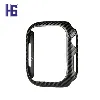
The easiest way to identify fake carbon fiber is through visual inspection. Real carbon fiber has a distinct weave pattern, while fake carbon fiber looks like a printed pattern that has been embossed on the surface. The weave pattern of real carbon fiber is uniform and consistent, while fake carbon fiber has a random pattern and may have visible edges where the pattern starts or stops.
2. Weight
Another technique to identify real and fake carbon fiber is through weight. Carbon fiber is known for its lightweight properties. The density of carbon fiber ranges from 1.4 to 1.8 grams per cubic centimeter. Fake carbon fiber products are often made of materials that are heavier than carbon fiber, such as fiberglass. By comparing the weight of a suspected fake carbon fiber product to that of a genuine one, an expert can tell if the product is fake.
3. Sound Test
Another technique that experts use to identify carbon fiber fakes is through a sound test. When tapping on real carbon fiber, it produces a unique, sharp, and metallic sound. On the other hand, fake carbon fiber produces a muted thud, as if it's tapping on a piece of plastic.
4. Temperature Test
The temperature test is another technique used to identify real and fake carbon fiber. When exposed to high temperatures, real carbon fiber does not melt or warp. Instead, it burns and produces an acrid smell. In contrast, fake carbon fiber melts or warps when exposed to high temperatures, indicating that it is made of plastic or fiberglass.
5. Chemical Test
Finally, experts can use a chemical test to identify fake carbon fiber. Real carbon fiber is resistant to most chemicals, including solvents and acids. If a suspected carbon fiber product is submerged in a chemical solution and it dissolves or changes color, then it is most likely a fake product.
In conclusion, identifying real and fake carbon fiber products requires expertise and knowledge. Carbon fiber is a valuable material, and it is essential to know the techniques to identify fake products to avoid fraud and scams. By using visual inspection, weight, sound, temperature, and chemical tests, experts can confirm if a product is made of real carbon fiber or if it is a fake product.