Huawei has recently disclosed a patent that introduces an innovative approach to improve antenna performance in wearable electronic devices, especially smartwatches, by using carbon fiber materials in their casings. This development takes advantage of the unique properties of carbon fiber, which offers low density (approximately 1.7 g/cm³), high strength, and excellent modulus, while also providing an aesthetically pleasing texture. These properties make carbon fiber an ideal alternative material for portable electronics, and it is increasingly being adopted as the primary material for device housings.
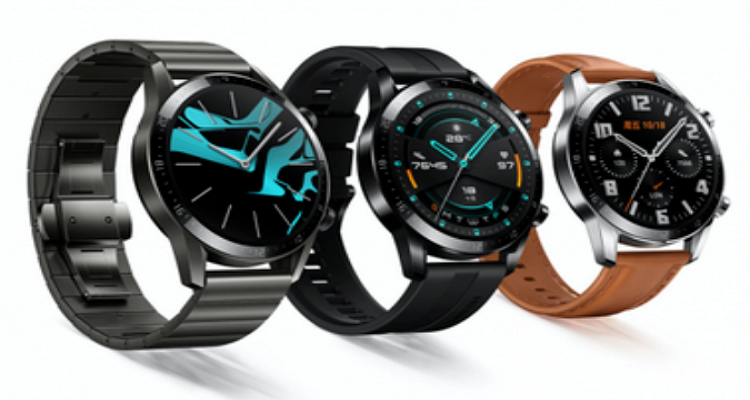
Wearable devices such as smartwatches often have antennas built into their cases. These antennas can include Bluetooth, GPS, WIFI, and 4G/5G antennas, each operating at different frequencies. When plastic is used for cases, antennas are usually made by metallizing the surface of the case.
But when carbon fiber is used, things get more complicated. Carbon fiber enclosures may also contain non-conductive materials such as pre-impregnated plastics and fiberglass. This creates a broken conductor structure inside the enclosure that doesn't conduct electricity well or act as part of the antenna. Instead, it acts as a shield, which degrades the performance of the antenna.
Huawei's new patent (patent number: CN202110565282.X) offers a smart solution. The patent describes a portable device that uses its carbon fiber case as part of the antenna, improving antenna performance.
The device has a housing and a circuit board inside. The carbon fiber shell has a conductive layer on its inner surface. This layer bonds the carbon fiber materials inside the case and connects the case to the circuit board.
By adding a conductive layer to the inner surface of the chassis, Huawei's solution turns the carbon fiber into a continuous conductor. This improves the electrical conductivity of the case and integrates it with the antenna system. As a result, the carbon fiber shell becomes an active part of the antenna, greatly enhancing the overall antenna performance of wearable devices.
This solution is practical and easily scalable for mass production. It solves the problems of traditional carbon fiber enclosures while taking advantage of their unique material properties, opening the door to more efficient and better looking wearable devices.
Huawei's approach demonstrates the potential for carbon fiber to play a larger role in wearable electronics. It can improve antenna performance without sacrificing appearance or material benefits.