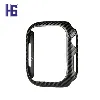
Carbon fiber has been a highly sought-after material in the manufacturing industry due to its strength and lightweight properties. However, the production of carbon fiber products has traditionally been limited to large-scale manufacturing operations due to the high cost of production and limited flexibility. However, with the advent of 3D printing technologies, carbon fiber production has become more accessible to small-scale manufacturers, designers, and hobbyists.
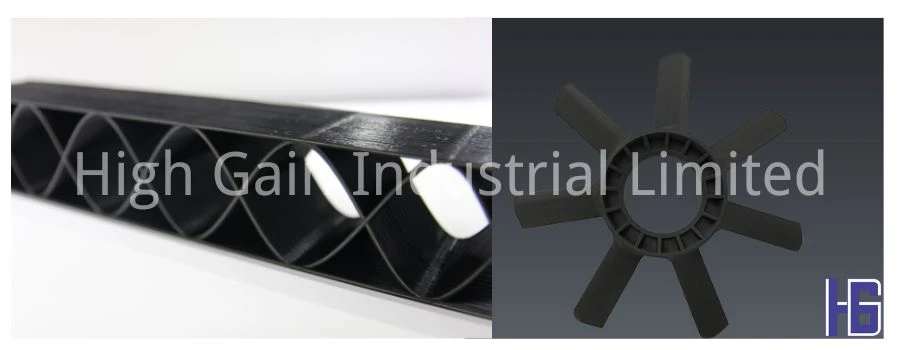
Carbon fiber 3D printing technology utilizes a process called Fused Deposition Modeling (FDM) in which molten plastic is extruded layer-by-layer to create the desired object. What sets carbon fiber 3D printing apart from traditional FDM printers is the use of reinforced composite materials in the form of carbon fiber filaments. These filaments are made up of carbon fibers and a thermoplastic matrix that is composed of either Nylon or Polycarbonate. The resulting carbon fiber composite material is extremely strong, lightweight, and durable.
One of the biggest advantages of carbon fiber 3D printing is the design flexibility it affords. Traditional manufacturing processes, such as injection molding, require the use of expensive molds that must be created for each unique design. With 3D printing, designers can create complex, irregular shapes with ease. This allows for the creation of parts and products that would otherwise be impossible to manufacture using traditional methods.
Another advantage of carbon fiber 3D printing is the ability to produce lightweight, yet incredibly strong, parts. Carbon fiber is recognized for its superior strength-to-weight ratio compared to other materials, making it ideal for the manufacturing of lightweight components. This is especially useful in industries such as aerospace, automotive, and sports equipment, where weight reduction is critical for performance.
Carbon fiber 3D printing also offers cost savings for manufacturers. Although the initial cost of the printer and materials may be higher than traditional manufacturing methods, the cost of creating customized parts and prototypes using 3D printing is significantly lower. Additionally, the streamlined production process reduces the need for labor-intensive post-processing steps, such as machining or casting, further reducing costs.
While there are many advantages to carbon fiber 3D printing, there are also challenges that must be addressed, including the need for specialized 3D printers and the higher cost of carbon fiber filaments. However, as advancements in 3D printing technology continue, these challenges are becoming increasingly manageable.
Carbon fiber 3D printing technology is a game-changer for the manufacturing industry, making it easier and more accessible for small-scale manufacturers, designers, and hobbyists to create strong, lightweight, and customized products. As the technology continues to evolve, we can expect to see even more innovative uses of carbon fiber in a wide range of applications.