Fiber-reinforced composites use fibers as strengthening materials. They offer outstanding performance-being both flexible and moldable while also strong as steel-making them highly valued and widely used in the market. If you ask about the most commonly used composites today, many people would recognize them: glass fiber composites, carbon fiber composites, and aramid fiber composites. This article provides a detailed introduction to each.
Glass Fiber Composites (GF):
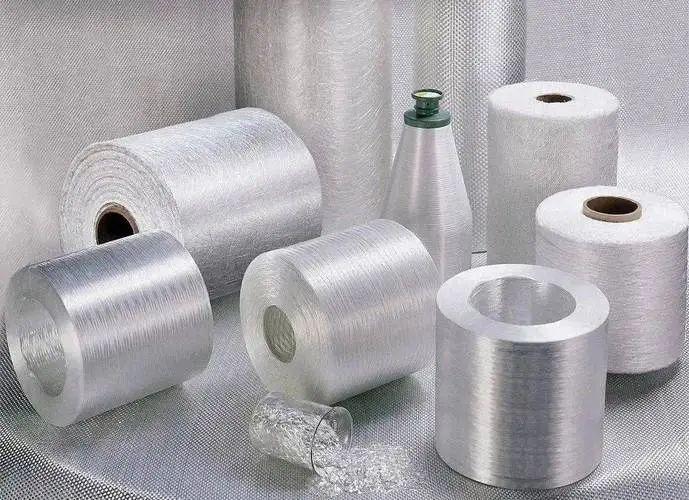
Also known as fiberglass, glass fiber composites are made from recycled glass and glass beads. By melting glass at high temperatures, drawing it into filaments, and weaving it into fabric, then combining it with resin, fiberglass is produced. This process recycles resources, aligning with sustainable development strategies. Depending on the resin used, they can be categorized into epoxy, phenolic, and polyester fiberglass, among others. Glass fibers are known for their high strength, electrical insulation, low thermal expansion, and ability to withstand temperatures over 1000°C. They find applications in construction materials, industrial manufacturing, electronics, and telecommunications.
Carbon Fiber Composites (CF):
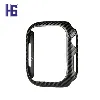
Carbon fiber is likely familiar to many. Made from polyacrylonitrile-based or pitch-based fibers, it undergoes high-temperature carbonization and graphitization to form carbon fiber filaments, with a carbon content exceeding 90%. Lighter than aluminum yet stronger than steel, it boasts exceptional elastic modulus, tensile modulus, heat resistance, and corrosion resistance. It comes in various grades, such as T300, T800, and T1000. As a composite material, it is often combined with resins or ceramics and used in aircraft and automobiles to reduce weight, as well as in everyday items.

Aramid Fiber Composites:
Aramid, short for aromatic polyamide fiber, mainly includes para-aramid, meta-aramid, and heterocyclic aramid. It offers excellent mechanical properties, stable chemical resistance, and particularly good flame retardancy and heat resistance. This material is extensively used in bulletproof vests, helmets, and military vehicles like tanks. It also sees applications in sports equipment and other fields.

Among these three composite materials, glass fiber has the broadest range of applications, while carbon fiber offers the best performance. As emerging materials, they will continue to evolve, making our lives more convenient. If you require any of these three composites, feel free to place an order with our company. New and regular customers are always welcome.