Mastering the Art of Laser Cutting: Taming the Challenge of Carbon Fiber Products
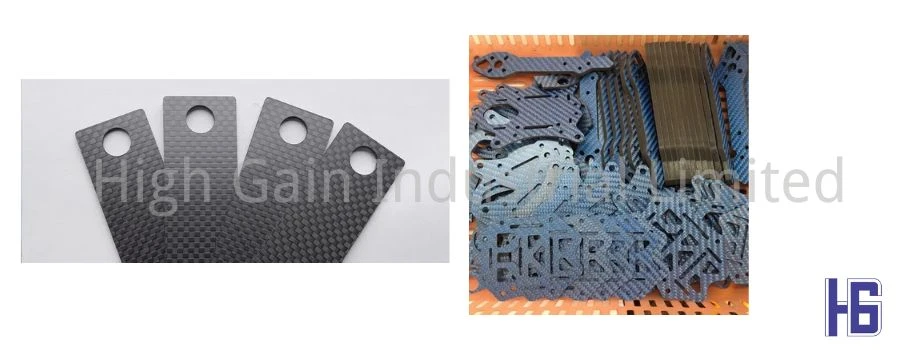
Laser cutting is a widely used method for shaping and sculpting materials with precision. While it's known for its accuracy, speed, and versatility, it encounters unique challenges when applied to carbon fiber products. The remarkable strength and stiffness of carbon fiber also make it a tough nut to crack, both figuratively and literally. In this article, we'll delve into the difficulties of laser cutting carbon fiber products and explore methods to enhance the tolerance of this intricate process.
The Challenge: Laser Cutting Carbon Fiber
Laser cutting typically relies on high-energy beams of light to vaporize or melt material, creating clean, precise cuts. However, when it comes to carbon fiber, certain characteristics of the material make it a demanding task:
Abrasive Nature: Carbon fiber, in its composite form, consists of tough, abrasive fibers. As the laser beam interacts with these fibers, it can lead to the degradation of the cutting nozzle and lenses.
Heat Sensitivity: Carbon fiber is sensitive to heat, and excessive heat generated during laser cutting can result in the melting and fusing of fibers, which can compromise the structural integrity of the material.
Material Splintering: Carbon fiber can splinter, fray, or create a rough edge when cut with a laser, potentially affecting the final product's quality.
Enhancing Laser Cutting Tolerance for Carbon Fiber:
Overcoming the challenges of laser cutting carbon fiber requires a combination of techniques and adaptations. Here are some methods to increase the tolerance and achieve precise cuts:
1. Laser Power Control:
Adjust the laser power settings to find the optimal balance between cutting speed and material integrity. Lower power can help minimize heat-related issues.
2. Focused Laser Beam:
Ensure that the laser beam is well-focused. A fine, focused beam reduces the chance of excessive heat buildup and melting of fibers.
3. High-Quality Optics:
Invest in high-quality optics and lenses that can withstand the abrasive nature of carbon fiber. Regular maintenance and lens replacement are crucial to maintaining cut quality.
4. Cooling Systems:
Implement cooling systems to control the temperature during the cutting process. This helps prevent excessive heat and material damage.
5. Protective Coatings:
Consider applying protective coatings or tapes to the surface of the carbon fiber before cutting. These coatings can help reduce splintering and improve edge quality.
6. Toolpath Optimization:
Optimize the toolpath to minimize unnecessary movements and reduce heat exposure. This can help in achieving cleaner cuts.
7. Clean and Fume Extraction:
Maintain a clean work environment and efficient fume extraction to prevent the buildup of debris, which can interfere with the cutting process.
8. Cutting Parameters:
Experiment with cutting parameters, such as cutting speed and frequency, to find the right balance between precision and minimizing heat-induced issues.
9. Post-Processing:
After laser cutting, consider post-processing techniques such as sanding or edge sealing to refine the cut edges and improve the final product's appearance and durability.
Laser cutting carbon fiber products demands a delicate dance between power, precision, and material sensitivity. By fine-tuning settings, utilizing protective measures, and optimizing cutting techniques, the difficulties can be overcome. With patience and expertise, laser cutting can be a precise and reliable method for crafting high-quality carbon fiber components that meet the stringent demands of various industries, from aerospace to automotive and beyond.