More About Carbo Fiber Structural Parts
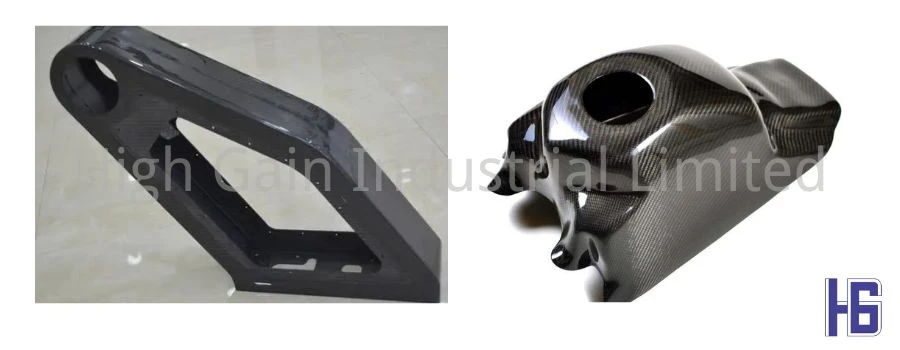
Carbon fiber is an incredibly strong, lightweight and durable material, making it the ideal choice for creating structural parts in a variety of industries. From aircraft to cars, carbon fiber structural parts are a popular choice due to their strength and reliability. But how are these parts produced, and what factors need to be considered when layering carbon fiber for structural use?
Producing carbon fiber structural parts involves a multi-step process that requires careful attention to detail. First, raw carbon fiber is obtained in the form of long, slender strands called tows. These tows are then heated to high temperatures in a process called pyrolysis. This process removes any impurities and strengthens the fibers. Once the fibers have been treated, they are woven into a fabric or placed into a mold to create the desired shape.
When it comes to layering carbon fiber for structural use, there are several factors that need to be considered. One of the most important factors is the orientation of the fibers. Depending on the application, fibers may need to be oriented in a specific direction to provide maximum strength and durability. This is done by carefully layering the carbon fiber fabric at specific angles to achieve the desired result.
Another important factor to consider when layering carbon fiber is the resin used to bind the fibers together. There are several types of resins available, each with its own set of benefits and drawbacks. Some resins are more resistant to heat and chemicals, while others provide superior strength and flexibility. The choice of resin will depend on the specific application and the environment in which the part will be used.
In addition to fiber orientation and resin selection, other factors that come into play when creating carbon fiber structural parts include the number of layers used, the thickness of each layer, and the curing process used to harden the resin. Each of these elements must be carefully chosen to ensure that the finished product is strong, lightweight, and durable.
Overall, creating carbon fiber structural parts requires a keen eye for detail and a commitment to quality. By carefully considering each element of the layering process and using the highest quality materials, manufacturers can produce carbon fiber parts that meet the most stringent requirements for strength, durability, and reliability. With their combination of strength and light weight, carbon fiber structural parts are sure to play an increasingly important role in modern engineering and design.
High Gain is experienced in producing carbon fiber structural parts which serve various purposes in automobile, building and aerospace. Our team engineers know how to construct suitable structure that can reduce the weight yet enhancing the strength.