The emergence of carbon fiber has rewritten the history of materials and industrial manufacturing. Following glass fiber, carbon fiber represents another groundbreaking discovery. Its exceptional properties-high strength, high modulus, heat resistance, fatigue resistance, electrical conductivity, light transmission, and processability-have made it a cornerstone of modern technology. Research into carbon fiber continues to advance, and carbon fiber composites are now widely applied across numerous industries.
First developed in the 1950s, carbon fiber underwent three decades of intensive research before high-performance variants emerged in the 1980s, catalyzing leaps in scientific and technological progress. Carbon fiber is a specialized material composed predominantly of carbon, produced through thermal stabilization, carbonization, and graphitization processes. Its high carbon content and non-melting characteristics during heat treatment distinguish it from conventional materials.
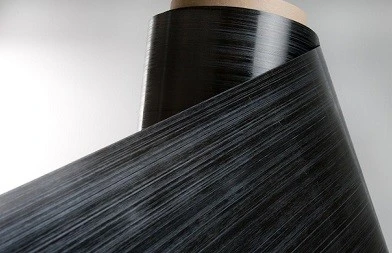
Physical Properties
Carbon fiber exhibits unique thermal behavior due to the highly anisotropic nature of its graphite crystals. Unlike most solid materials, its specific heat remains relatively constant across varying degrees of graphitization. Thermal conductivity in carbon materials relies on lattice vibrations rather than electron movement, diverging from the Wiedemann-Franz law observed in metals. Parallel to the grain direction, its thermal conductivity rivals that of brass. Electrically, carbon fiber demonstrates semiconductor-like properties, with resistivity influenced by carrier concentration and processing temperatures.
Chemical Properties
As a fibrous carbon material, carbon fiber displays chemical inertness under standard conditions, reacting only with strong oxidizing acids or specialized agents. Below 250°C, it undergoes minimal chemical changes, such as oxidation or compound formation. Its porous structure, with approximately 25% porosity, facilitates gas desorption during heating, enhancing electrical stability and suitability for electrothermal applications.
Practical Applications of Carbon Fiber Composites
Modern carbon fiber composites predominantly fall into the thermosetting category, typically combining carbon fibers with epoxy resins through specialized curing processes. These composites retain the core advantages of carbon fiber-lightweight, high strength, and thermal stability-while outperforming metals in strength-to-weight ratios.
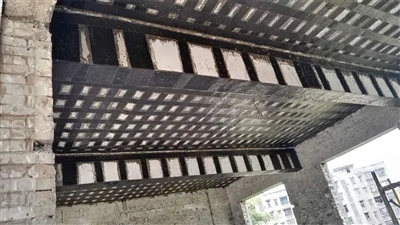
In industrial settings, carbon fiber composites serve as high-temperature structural materials for components like rocket nozzles, thermal shields, and spacecraft antenna mounts. They also form critical load-bearing structures in aircraft wings, tail assemblies, and landing gear. In transportation, applications range from automotive drive shafts and suspension systems to marine engineering components such as fishing vessel hulls.
From aerospace to renewable energy, carbon fiber composites continue to redefine engineering possibilities, balancing unparalleled performance with evolving sustainability goals. Their journey from laboratory curiosity to industrial essential underscores a material revolution still unfolding across global industries.