Carbon fiber is well known for its strength, lightness, and versatility. It is a material that has found its way into a wide range of products, from aerospace to sports equipment to automobiles and even, consumer electronics. Its use in consumer electronics has increased significantly over the past few years. The demand for sleek, lightweight, and durable devices has pushed manufacturers to adopt carbon fiber into their product lines. In this article, we will discuss the use of carbon fiber in consumer electronics in detail.
Carbon fiber is a composite material that is made from fibers of carbon. It is a combination of carbon atoms that are bonded together to form long chains. These chains are then woven or glued together to create a sheet-like structure that is incredibly strong. The strength of carbon fiber is due to its molecular structure, which provides it with excellent strength to weight ratio that is much higher than that of other commonly used materials like aluminum or steel.
There are many benefits to using carbon fiber in electronic devices. One of the most significant benefits is its lightweight. Carbon fiber is up to five times stronger than steel, yet it is up to 30% lighter. This makes it an ideal material for consumer electronics devices such as smartphones and laptops. Its strength also makes it an ideal material for shock absorption. If a device made of carbon fiber is dropped or bumped, the material will absorb the impact and protect the device's components.
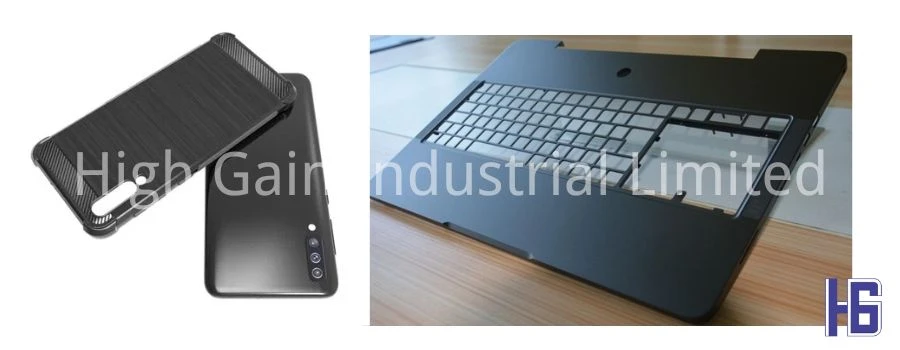
Another advantage of carbon fiber is its durability. This material is resistant to scratches, dents, and other types of damage. This makes it an ideal choice for products that need to withstand everyday wear and tear. For example, carbon fiber cases for smartphones can protect the device from damage and extend its lifespan. Additionally, carbon fiber has high resistance to extreme temperatures, making it perfect for devices that produce a lot of heat.
Carbon fiber's versatility is another advantage. It is easy to mold and shape into intricate designs, making it ideal for creating unique and stylish consumer electronics products. Manufacturers can create custom designs without compromising the material's strength and durability. It also looks sleek and modern, appealing to customers who want a high-end and stylish device.
The use of carbon fiber in consumer electronics is not limited to a specific product category. It is used in products such as headphones, laptops, smartphones, drones, cameras, and even gaming accessories such as controllers. One example of a company that has successfully incorporated carbon fiber into its products is Apple. Apple has used carbon fiber in its Macbook line, creating a device that is both lightweight and incredibly durable. Several smartphone manufacturers, including Samsung and Huawei, have also adopted carbon fiber in their flagship smartphones, producing devices that are both durable and sleek.
Although there are many benefits of using carbon fiber in consumer electronics, there are also some drawbacks. The primary downside is the material's cost. Carbon fiber is a relatively expensive material, which can drive up the cost of the electronic device. This may make it less accessible to some consumers, limiting its appeal.
Another challenge with carbon fiber is its manufacturing process. The process of creating carbon fiber requires high-temperature processes that are energy-intensive. Manufacturing carbon fiber also requires specialized equipment, which can make it difficult for small-scale manufacturers to incorporate the material into their products.
In conclusion, the use of carbon fiber in consumer electronics has several advantages. Its strength, lightweight, durability, and versatility make it an ideal material for devices that need to be both stylish and functional. Although there are challenges to using carbon fiber, the benefits far outweigh the drawbacks. The use of carbon fiber in consumer electronics is likely to increase as manufacturers strive to create products that are both functional and aesthetically pleasing. Additionally, the development of more affordable and eco-friendly carbon fiber manufacturing processes will open up new possibilities for carbon fiber use in consumer electronics.