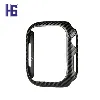
Carbon fiber epoxy composites deliver exceptional advantages: light weight, high strength, superior elastic modulus, and chemical resistance. As adoption surges across industries, waste accumulation intensifies. Without effective recycling, this creates significant environmental strain and resource waste.

Traditional carbon fiber waste disposal relies on incineration-recovering partial energy but causing pollution. High-temperature pyrolysis yields purer fibers, yet demands sophisticated equipment rarely available in labs. Scientists now developed an efficient recycling method:
- Shredding: Composites are cut into fragments
- Acid Bath: Treated in heated acid solution
- Chemical Processing: Oxidizers and organic solvents added
- Room-Temperature Reaction: Controlled conditions decompose epoxy resin
- Crystallization: Pure resin precipitates as crystals
- Separation: Carbon fibers fully liberated
Results:
- Recovered fibers retain ~90% original strength
- Near-zero resin residue on surfaces
- Performance suitable for reinforcement applications
This low-cost process achieves high recovery rates with minimal pollution-solving carbon fiber's historical recycling challenges while enabling resource circularity. With air quality deteriorating from smog and sandstorms, exacerbating respiratory illnesses, implementing such recycling becomes crucial for environmental protection.