RTM in Automobile Industry

Resin Transfer Molding (RTM) is a widely used production method in the automobile industry for manufacturing composite parts and components, particularly those that require high strength-to-weight ratios, durability, and precision. Here's an overview of the RTM process in the automobile industry:
1. Mold Preparation: The RTM process begins with the preparation of two molds: the lower, or "female" mold, and the upper, or "male" mold. These molds are typically made from metal or composite materials and are precisely machined to the desired part specifications.
2. Fabric Preform: Before starting the RTM process, a dry fiber preform is created by layering the reinforcing materials, such as carbon fiber or fiberglass, in the lower mold. This preform is shaped to fit the desired part geometry and provides the structural reinforcement.
3. Resin Injection: A key aspect of RTM is the controlled injection of resin. The upper mold is positioned over the lower mold, creating a closed mold cavity. The preform is enclosed within this cavity, and ports or channels are strategically placed within the mold to allow for the injection of resin. The choice of resin, often epoxy or polyester, depends on the specific requirements of the part in terms of strength, weight, and other characteristics.
4. Vacuum Assistance: In many RTM processes, a vacuum is applied to the mold to help remove air and ensure a complete and uniform impregnation of the preform with resin. The vacuum also helps in controlling the resin flow and minimizing voids in the final part.
5. Curing: After the resin is injected into the mold and saturates the preform, the curing process begins. This typically involves heating the mold to a specific temperature and maintaining that temperature for a specified period. The curing process varies depending on the resin system used but is crucial to achieving the desired material properties.
6. Demolding: Once the curing process is complete, the upper mold is lifted, and the part can be demolded. The result is a composite part with the desired shape and characteristics, such as high strength and low weight.
7. Trimming and Finishing: After demolding, the composite part often requires additional finishing processes, including trimming excess material, sanding, and surface treatments to meet the exact specifications and quality standards for automotive applications.
Advantages of RTM in the Automobile Industry:
High-Quality Parts: RTM produces high-quality composite parts with excellent mechanical properties, making them suitable for structural components in vehicles.
Cost-Effective: It offers a cost-effective solution for large-scale production, as it allows for efficient batch processing.
Design Flexibility: RTM enables complex and intricate part designs, promoting aerodynamic and aesthetic advantages in automotive applications.
Weight Reduction: The lightweight nature of composite materials contributes to improved fuel efficiency and reduced emissions.
Corrosion Resistance: Composite parts manufactured through RTM are inherently resistant to corrosion, which is especially valuable in automotive components.
Overall, the RTM process has become an integral part of the automotive industry's quest for lightweight, strong, and fuel-efficient vehicles. It allows manufacturers to produce parts that are not only durable and reliable but also contribute to sustainability by reducing the weight of vehicles and, consequently, their environmental impact.
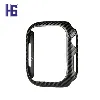
High Gain provides products made of RTM method. We can also help open the mold for RTM products.