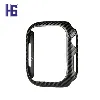
How RTM of Carbon Fiber Composite Components are Introduced into Automatic Optimisation Assembly Line

Carbon fiber composite components are highly desirable in the manufacturing industry for their high strength, low weight and resistance to corrosion. However, the introduction of these components into an automatic optimization assembly line can be challenging due to the complex manufacturing process involved.
One approach to introducing RTM (Resin Transfer Molding) of carbon fiber composite components into an automatic optimization assembly line involves the use of specialized machinery and automation technology. A specifically designed machine would be used to inject the resin into the carbon fiber preform under controlled conditions. The automated system would ensure the resin is injected in accurate quantities, at specified rates and pressure, with minimal human intervention.
The RTM process for carbon fiber composite components can be introduced in an automated optimization assembly line in the following steps:
1. Preform preparation- A preform consisting of carbon fiber strands is first prepared. The preform is cut and laid out to follow the desired geometry or shape of the final product.
2. Mold preparation – An appropriately designed mold or tool to suit the geometry of the final product is carefully cleaned to ensure a smooth and consistent surface finish. The mold is then preheated to a specified temperature that would ensure the resin cures properly to form a high-quality composite.
3. Resin injection – The preheated mold is loaded onto the RTM machine. The preform is placed in the mold cavity, and the machine is programmed to inject the liquid resin at the specified rate and pressure. The resin flows through the preform, saturating each strand of carbon fiber ensuring complete impregnation.
4. Curing – The mold loaded with resin-preform composite is kept in a temperature-controlled environment for a specific duration to allow the resin to cure completely. The curing process ensures that the resin hardens and bonds with the carbon fibers, creating a stiff and strong composite structure.
5. Demolding – After curing, the mold is opened, and the composite part is carefully extracted. The composite structure is then inspected for any manufacturing defects. Any defects detected are rectified to ensure the finished product meets the desired quality standards.
In conclusion, the introduction of RTM of carbon fiber composite components into an automatic optimization assembly line requires careful planning with experienced technicians and skilled engineers. However, with the right technology and automation systems, the introduction of these components can significantly increase production capacity, reduce the reliance on manual labor and achieve high-quality composite products with minimal production costs.