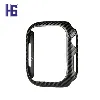
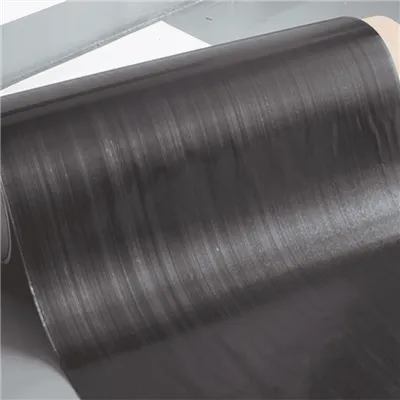
Carbon fiber has evolved from obscurity to widespread industrial adoption over decades. Although carbon electrodes were first created from charcoal powder and coal tar in the early 19th century, carbon fiber gained significant attention only after the 20th century. Below is its developmental journey:
I. Key Developmental Stages
19th-Century Foundations
1883: Faraday's electrolysis laws enabled corrosion-resistant, conductive graphite electrodes and cell liners, paving the way for carbon products in electrochemical industries.
1876: Carl and Brush produced carbon and graphite electrodes for steelmaking.
1895: Acheson's synthetic graphite electrodes marked a breakthrough in carbon-graphite manufacturing.
Early-to-Mid 20th Century: Technological Leaps
Early 1900s: U.S. scientists invented phenolic resin for impregnating carbon products.
1940s–1950s: Graphite products entered rocket propulsion systems.
1960s–1990s: Breakthroughs & Diversification
1960s–1970s: High-modulus, high-strength carbon fibers emerged-primarily pitch-based and PAN-based-initially used in aerospace and defense.
1980s–1990s: Applications expanded to consumer goods (e.g., sporting equipment).
21st Century: Ubiquitous Adoption
Post-2000, carbon fiber became commonplace in products like phone casings and eyewear frames.
II. Current Status & Future Trajectory
Years of advancement have refined carbon fiber's technology, production, and applications. However, domestic manufacturing still lags behind global leaders. As costs decline and performance improves, this foundational material-capable of spawning extensive industrial chains-continues gaining momentum.