First developed in the UK in 1983, thermoplastic carbon fiber composites have evolved from experimental materials to critical industrial components over nearly four decades. While China entered this field later, its market has grown rapidly, with annual production exceeding 2 million metric tons and a projected market value surpassing $10 billion. Despite progress, most domestic carbon fiber products still rely on traditional thermosetting resins, leaving thermoplastic variants reserved for specialized sectors.
Aerospace Innovations
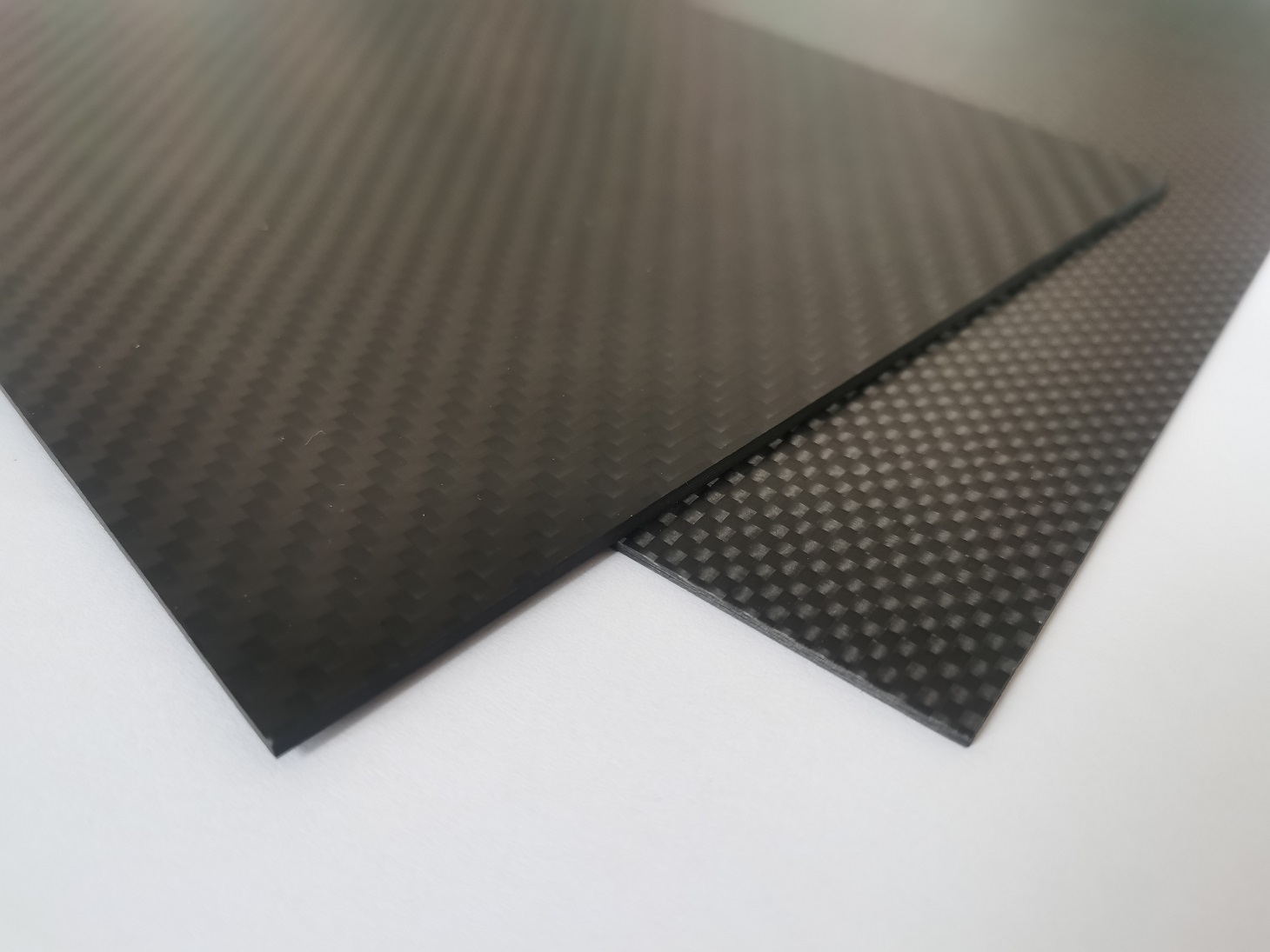
Thermoplastic carbon fiber panels now play vital roles in modern aircraft, from lightweight wing flaps and engine nacelles to interior cabin components. Their high strength-to-weight ratio and fatigue resistance make them ideal for secondary structural parts, with nearly 30% of aerospace carbon fiber applications involving thermoplastic formulations.
Military Advancements
Global defense industries leverage these materials for their lightweight durability and corrosion resistance. Thermoplastic carbon fiber reduces equipment weight for mobile military units while enhancing satellite casings, drone frames, and radar systems. Notably, the U.S. F-22 fighter jet's stealth and agility stem partly from its 24% carbon fiber composite content-a trend continuing in next-gen aircraft.
Medical Breakthroughs
Beyond machinery, thermoplastic carbon fiber transforms healthcare. Its X-ray transparency and radiation resistance make it perfect for imaging equipment and prosthetics. Carbon fiber-reinforced polyetheretherketone (CF/PEEK) composites are now standard in orthopedic implants and surgical tools, offering both strength and biocompatibility.
As production costs decline and awareness grows, thermoplastic carbon fiber is expanding into consumer goods-from sports gear to automotive interiors. This material's journey from labs to daily life signals a quiet revolution, proving that the future of manufacturing lies not just in what materials can do, but in how seamlessly they integrate into our world.