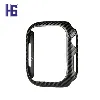
The Synergy of Carbon Fiber and Aluminum: Unleashing Innovation and Strength
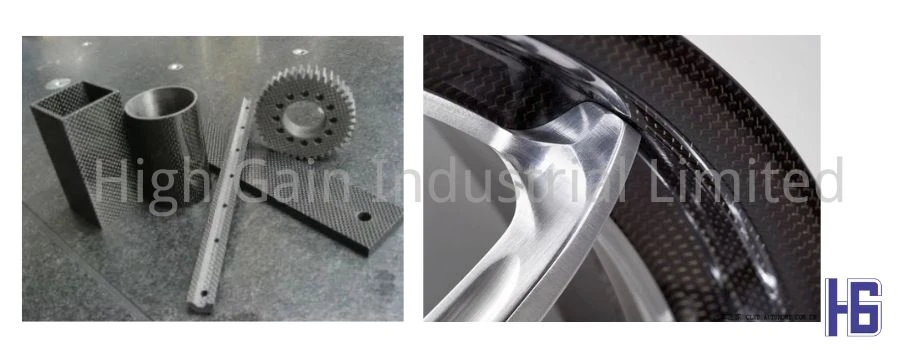
The marriage of carbon fiber with aluminum is a powerful synergy that has revolutionized the world of product design and manufacturing. This composite material blends the exceptional properties of carbon fiber, such as lightweight strength, with the robustness of aluminum to create products that are not only durable but also incredibly versatile. Let's explore the advantages of this dynamic combination and its applications across various industries.
Advantages of Carbon Fiber and Aluminum Composite:
Enhanced Strength and Lightweight Design:
Carbon fiber is known for its remarkable strength-to-weight ratio, making it an ideal choice for applications where weight reduction is critical. When combined with aluminum, the result is a material that retains impressive strength while remaining exceptionally lightweight. This makes products easier to handle, transport, and operate.
Stiffness and Rigidity:
Carbon fiber provides stiffness and rigidity, ensuring that products maintain their shape and structural integrity under stress. This is crucial for components that require precise tolerances and minimal deformation.
Resistance to Corrosion:
Aluminum is naturally resistant to corrosion, making it ideal for outdoor and marine applications. When combined with carbon fiber, products are further protected against environmental factors, extending their lifespan.
Durability and Longevity:
The combination of these materials leads to products that are highly durable and resistant to wear and tear. This longevity reduces maintenance and replacement costs, offering significant cost savings over time.
Versatility and Customization:
The composite material allows for customization in terms of design and aesthetics. It can be molded into various shapes and sizes to meet specific requirements, offering versatility in product development.
Applications of Carbon Fiber and Aluminum Composite:
Aerospace: The aerospace industry benefits greatly from the lightweight strength of this composite. It's used in aircraft components, such as wings, fuselages, and landing gear, to reduce weight and enhance fuel efficiency.
Automotive: Carbon fiber and aluminum composites are utilized in the automotive sector for components like body panels, chassis, and interior elements. These materials contribute to improved fuel efficiency and performance.
Sporting Goods: Sports equipment, including bicycles, tennis rackets, and golf clubs, utilizes this composite to enhance strength while keeping weight to a minimum, improving athlete performance.
Marine: Boats and maritime structures employ the composite for hulls, masts, and other components due to its resistance to water and corrosion.
Industrial Machinery: Industrial machinery benefits from the material's robustness, especially in components subject to mechanical stress.
Consumer Electronics: The combination is found in high-end laptops, smartphones, and tablets, where lightweight durability is essential.
Architectural Elements: The aesthetic appeal of carbon fiber and aluminum is also leveraged in architectural applications like facades, cladding, and interior design.
The fusion of carbon fiber with aluminum offers a spectrum of advantages, from enhanced strength to weight savings, making it a preferred choice for a wide range of industries. The versatility and resilience of this composite continue to inspire innovation in product design and manufacturing, driving progress in numerous sectors worldwide.
High Gain produces carbon fiber with aluminum panels using autoclave production method. The finished panels can be used for sporting goods and aerospace indsutry.