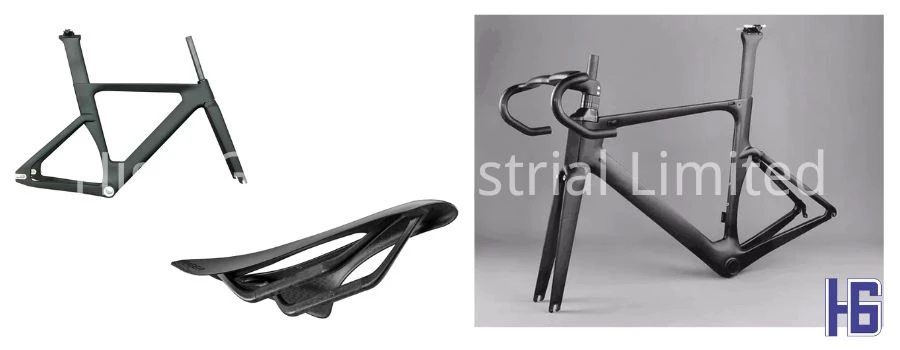
In recent years, carbon fiber has emerged as one of the most popular materials in the ever-evolving world of bicycles. Known for its strength, durability, and light weight, carbon fiber has become the material of choice for many bike manufacturers and cycling enthusiasts alike. But what makes carbon fiber so well-suited to bicycles, and what benefits can riders expect from choosing a carbon fiber frame over a traditional steel or aluminum one? In this article, we’ll explore the use of carbon fiber in bicycles and its advantages and disadvantages.
Carbon fiber is a composite material that consists of thin, strong fibers made of carbon, which are then woven together and set in a resin matrix. This combination produces a material that is both strong and lightweight, making it an ideal choice for bicycles. Carbon fiber is incredibly strong, with a strength-to-weight ratio that is unmatched by any other material used in bike frames. In addition, carbon fiber is corrosion-resistant, meaning that it will not rust or corrode over time, making it ideal for use in wet environments or salt water.
One of the biggest advantages of carbon fiber frames is their light weight. This is especially important in cycling, where even small reductions in weight can make a big difference in performance. Carbon fiber frames can be up to 40% lighter than traditional steel frames, which can mean faster acceleration and better handling. This weight reduction also makes it easier to ride uphill or on longer rides, as the bike is not weighed down by excess material.
Another advantage of carbon fiber frames is their stiffness. Stiffness refers to the amount of force needed to bend or deform a material, and in the case of bicycles, a stiff frame is necessary to ensure efficient power transfer. Carbon fiber is an incredibly stiff material, meaning that less energy is lost through frame flex during pedaling. This translates to more power going directly into the wheels, which can lead to faster speeds and improved handling.
One of the disadvantages of carbon fiber frames, however, is their cost. Carbon fiber is a more expensive material than traditional steel or aluminum, and this cost is often reflected in the price of the bike. In addition to the higher cost of the material, the manufacturing process for carbon fiber frames is more complex, which further drives up the cost.
Another disadvantage of carbon fiber frames is their susceptibility to damage. Although carbon fiber is incredibly strong, it is also more prone to cracking or damage from impacts than traditional steel or aluminum frames. This means that cyclists must be more careful when transporting their bikes, and may need to invest in extra protective gear to prevent damage during transit.
In addition to the frame, many bicycle components are also made from carbon fiber. These include handlebars, stems, and seat posts. These components also offer the same benefits of high strength-to-weight ratio and stiffness. However, they can be even more expensive than carbon fiber frames due to their smaller size and complexity.
Despite these disadvantages, it is easy to see why carbon fiber has become such a popular material in the world of bicycles. Its combination of strength, light weight, and stiffness makes it an ideal choice for high-performance bikes and serious cycling enthusiasts. As carbon fiber manufacturing processes continue to improve and become more affordable, we can expect to see even more bikes and components made from this remarkable material in the future.
In conclusion, the use of carbon fiber in bicycles has revolutionized the industry. Its unique strength, light weight, stiffness, and corrosion-resistant properties have made it the material of choice for high-performance bikes and cycling enthusiasts around the world. While it may be more expensive and susceptible to damage, the benefits of carbon fiber far outweigh any downsides. It is clear that carbon fiber is the future of bicycles, and we are excited to see where this incredible material takes us in the years to come.