Ways to Connect Carbon Fiber Parts in a Product
Carbon fiber products have become increasingly popular in many different industries due to their lightweight and durable properties. Whether you are using carbon fiber for automotive parts, sporting equipment, or even aerospace components, the ways of connecting these products is of utmost importance. In this article, we will explore the various ways of connecting carbon fiber products to ensure that they are secure and durable.
One of the most common ways of connecting carbon fiber products is through the use of adhesive bonding. Adhesives are used to bond the carbon fiber parts together, creating a strong connection that is both lightweight and reliable. There are many different types of adhesives that can be used for bonding carbon fiber, including epoxy, cyanoacrylate, and urethane adhesives. When using adhesives, it's important to ensure that the surface of the carbon fiber parts are clean and free of any debris in order to ensure maximum bonding strength.
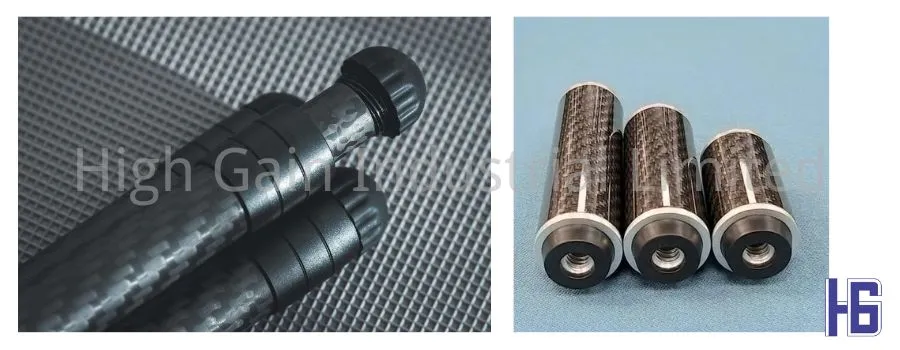
Another way of connecting carbon fiber products is through the use of mechanical joints. Mechanical joints are typically used in applications where there is a need for higher strength connections. These joints can be made using screws, bolts, and other fasteners. When using mechanical joints, it's important to ensure that the fasteners are properly tightened and that the carbon fiber parts are not overstrained during the process.
A third way of connecting carbon fiber products is through the use of composite layups. Composite layups are typically done when joining two or more carbon fiber parts together. These layups create a solid, cohesive bond between the two parts. They are typically done using carbon fiber fabric or composite materials. Composite layups are ideal for high-stress applications where a durable and strong bond is necessary.
In addition to these methods, there are many other ways of connecting carbon fiber products, including welding, brazing, and soldering. Each method has its own advantages and disadvantages, and the choice of method will depend on the specific requirements of the application.
In conclusion, the ways of connecting carbon fiber products are varied and numerous. It's important to choose the method that best suits your particular application and to ensure that the connection is secure and reliable. By taking the time to carefully select and implement the best connection method, you can ensure that your carbon fiber products will perform at their best and last for many years to come.