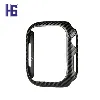
Carbon fiber sandwich sheet is a high-performance composite material that has gained widespread use in various industries due to its exceptional properties. This material consists of two layers of carbon fiber fabric bonded to a core material, which is typically made of foam, honeycomb, or another lightweight substance. The carbon fiber layers provide the sheet with high tensile strength and stiffness, while the core material enhances its rigidity and contributes to its overall lightweight characteristics.

The combination of these materials results in a product that is not only strong but also remarkably light, making it an ideal alternative to traditional materials like metal and wood in many applications. One of the key advantages of carbon fiber sandwich sheets is their superior strength-to-weight ratio, which allows them to be used in situations where reducing weight without compromising structural integrity is crucial. For example, in the aerospace and defense sectors, these sheets are commonly used in the construction of aircraft components such as wings and fuselages, as well as in missiles and satellites, where every gram saved can significantly impact fuel efficiency and performance.
Beyond aerospace, carbon fiber sandwich sheets have found extensive applications in the automotive industry, particularly in the manufacturing of high-performance vehicles. They are used in components like chassis, body panels, and interior elements, helping to reduce the overall weight of the vehicle and improve acceleration, handling, and fuel efficiency. The durability of carbon fiber sandwich sheets also makes them suitable for industrial applications, including manufacturing equipment and machinery parts that need to withstand harsh operating conditions.
The medical field has also embraced this material for various uses, such as in surgical instruments, prosthetics, and imaging equipment, where its biocompatibility and radiolucency are highly valued. In sports and recreation, carbon fiber sandwich sheets enhance the performance of equipment like bicycles, fishing rods, and tennis rackets by providing a lightweight yet strong construction that improves control and power for athletes.
Additionally, these sheets are utilized in civil engineering projects to reinforce structures and improve seismic resistance in bridges and buildings, as well as in the energy sector for applications in wind turbines and oil and gas equipment, where their corrosion resistance and strength are essential.
In conclusion, carbon fiber sandwich sheets represent a significant advancement in composite materials technology. Their unique combination of lightweight, high strength, durability, and design flexibility makes them a versatile choice for a wide range of applications across multiple industries.