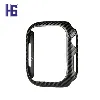
PEEK (polyether ether ketone) composites made of thermoplastic carbon fiber have transformed the medical industry by providing a potent blend of biocompatibility, strength, and flexibility. This novel substance has exceptional benefits that improve patient outcomes and promote cutting-edge medical procedures, making it particularly advantageous for implants and medical devices.
Sturdiness and Power
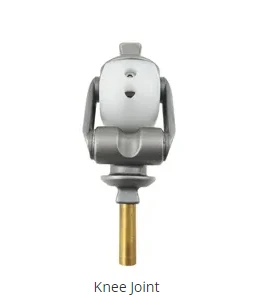
The strength-to-weight ratio of thermoplastic carbon fiber PEEK composites is excellent. Significant tensile strength is provided by carbon fiber, while durability and wear resistance are added by PEEK. Because of this combination, implants are robust and lightweight, making them perfect for withstanding the repeated pressures seen in joint and spinal applications. Long-term health and increased patient satisfaction are facilitated by the high durability, which guarantees that devices retain their structural integrity over time.
Safety and Biocompatibility
Any material utilized in the body must be biocompatible, and PEEK satisfies this need flawlessly. Carbon fiber PEEK composites are safe for long-term usage since they don't cause inflammatory reactions or other negative reactions. These materials also withstand frequent sterilization and prevent deterioration from exposure to human fluids, all of which are essential for preserving the life and safety of medical implants.
Personalization for Individual Patient Requirements
Thermoplastic Malleability: PEEK's thermoplastic qualities enable heat molding, enabling the creation of implants with complex geometries.
Improved Fit: A perfect fit is achieved by customizing the implant to the individual anatomy of the patient, which is crucial for spinal and orthopedic applications.
Better Comfort and Results: Implants that are custom-fit increase patient comfort and functioning, which speeds up recovery and improves long-term results.

Radiolucency for Simple Observation
Carbon fiber PEEK composites are radiolucent, meaning that X-rays may flow through them unhindered, unlike metal implants. Because it enables good imaging of the implant and surrounding tissues, this function is crucial for long-term patient monitoring. It helps medical professionals evaluate the state of the implant and modify treatment regimens as necessary.
Conclusion
PEEK composites made of thermoplastic carbon fiber represent a significant advancement in medical science. They provide a dependable option for medical implants and devices by combining strength, biocompatibility, and customisation possibilities. These composites are anticipated to be essential in improving surgical results and patient care as healthcare continues to progress.