Painting carbon fiber products requires specialized techniques to ensure adhesion, durability, and aesthetic quality while preserving the material's structural integrity. Unlike metals or plastics, carbon fiber's smooth, non-porous surface and resin-rich outer layer pose challenges for paint bonding. Here's a concise overview of the process:
Surface Preparation
The first step involves meticulous cleaning to remove contaminants like mold release agents, oils, or dust. Abrasion is then critical: lightly sanding the surface with 400-800 grit sandpaper creates microscopic grooves for mechanical adhesion. Some manufacturers use plasma treatment or chemical etching to enhance surface energy. A solvent wipe (isopropyl alcohol or acetone) follows to eliminate residual particles.
Primer Application
A high-adhesion epoxy or urethane primer is sprayed in thin, even coats. This layer bridges the carbon fiber's inert surface and the paint, preventing fisheyes or peeling. Two-component primers are preferred for their chemical resistance. Curing times vary but often involve infrared drying or controlled oven heating.
Basecoat and Color Layers
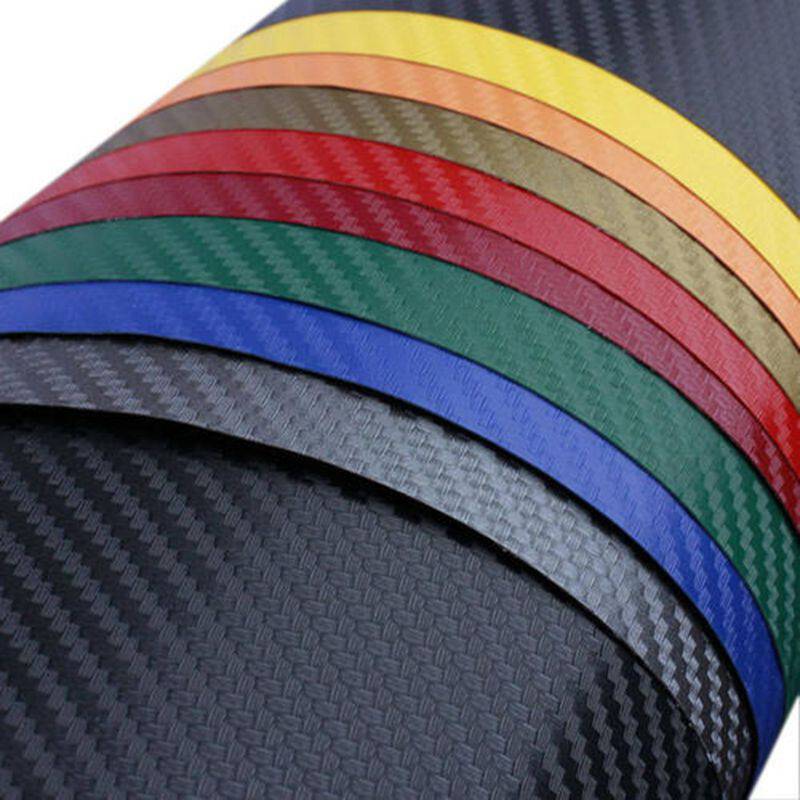
Automotive-grade polyurethane paints are commonly used for their flexibility and UV resistance. Multiple light coats are applied to avoid drips, with flash-off intervals between layers. Custom colors or metallic finishes may require tinted basecoats. For carbon fiber's woven texture to remain visible, transparent tinted coatings are an option.
Clearcoat Protection
A high-gloss or matte clearcoat (typically acrylic-polyurethane) seals the paint. This layer guards against scratches, chemicals, and UV degradation. Professional applications often involve 2-3 clearcoat layers, sanded between coats for mirror-like smoothness.
Curing and Finishing
Heat curing at 60-80°C accelerates cross-linking of paint polymers, boosting hardness. Post-curing, a final polish with progressively finer compounds (up to 3000 grit) removes orange peel textures.
Key Considerations
Material Compatibility: Ensure paints and solvents don't react with the carbon fiber's epoxy matrix.
Environmental Controls: Dust-free booths with regulated humidity prevent contamination.
Thickness Management: Excessive paint can negate carbon fiber's weight-saving benefits.
Safety: Respirators and ventilation are mandatory due to volatile organic compounds (VOCs).
Advanced industries now employ robotic spray systems for consistency, while DIY enthusiasts often use pre-packaged carbon fiber-specific paint kits. Properly executed, painted carbon fiber retains its strength and gains tailored aesthetics for automotive, aerospace, or consumer goods applications.