With the docking and movement of the Mengtian Experimental Module, the Chinese space station will take on a unique "T" shape. In this configuration, it will use three types of solar panels simultaneously. Carbon fiber was the key to the first two generations of these panels, and will continue to play an important role in the upcoming third-generation panels.
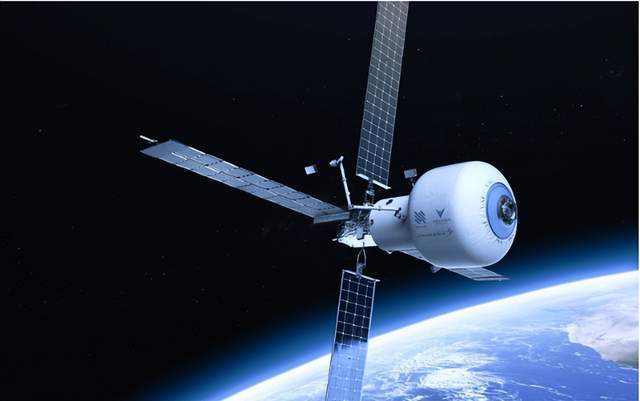
In planning the space station, researchers designed three generations of solar panels to meet the needs of different modules.
Here's how they break down:
First generation: Rigid panels
The manned Shenzhou spacecraft uses first-generation rigid solar panels. These have a rigid base made of carbon fiber and aluminum honeycomb. They work well, but are quite bulky and heavy.
Second generation: Semi-rigid panels
The Tianzhou cargo ship uses second-generation semi-rigid solar panels. These have a carbon fiber frame with a fiberglass mesh for reinforcement, similar to a tennis racket. This design greatly reduces the weight of the panels while still meeting the higher power requirements of the cargo spacecraft.
Third generation: Flexible panels
The space station's two experimental modules - the Tianhe Core Module, the Wentian Experimental Module, and the Mengtian Experimental Module - are much larger and require a lot of power for experiments in orbit. To handle this, researchers have developed third-generation flexible solar panels. These are lightweight and super-efficient, ensuring that the modules have enough power.
When everything is up and running, the combined daily power output of the Tianhe, Wentian and Mengtian modules can reach nearly 1,000 kilowatt hours. This means the space station can have a truly "worry-free" power supply to support all of its science missions and operations.
Carbon fiber is a game changer here because of its outstanding properties. It's super strong for its weight, stays stable in heat, and can withstand the harsh conditions of space. These qualities make it perfect for building solar panels that have to deal with extreme temperatures, tiny meteoroids, and long-term exposure to the sun. By using carbon fiber, the space station's solar panels can operate at peak efficiency and reliability, ensuring a steady supply of power for its ambitious goals.