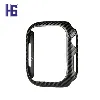
Carbon fiber composite products begin with layers of carbon fiber prepreg, then epoxy resin is added as needed. This creates materials with desired performance characteristics, which are then formed through processes such as hot pressing and winding. The result is carbon fiber composite products that are lightweight, moldable, temperature resistant and mechanically strong, making them ideal for a variety of medical applications.
1. Prosthetic limbs
Traditional prosthetic limbs made of steel and wood were heavy, cumbersome, and expensive to manufacture. Modern carbon fiber reinforced resin composite prosthetic limbs offer significant advantages. For example, hybrid composite prostheses with a ±45° human leg axis weigh only about 127 grams and can be attached to shoes. These advanced materials also help polio and lower limb paralysis patients walk and stimulate bone growth through special orthoses and supports.

2. Medical Bedboards
For tumor patients undergoing radiation therapy, precise dose delivery to the treatment site is critical. Advanced radiotherapy techniques such as IMRT, IGRT and IMAT have improved dosimetric accuracy but require higher performance from the treatment machine bed surfaces.
Carbon fiber composite bed plates allow radiation to pass through at any angle without significant refraction or deflection. These materials achieve structural strength and stiffness with less material, reducing weight while maintaining high tensile strength.

3. Artificial Bones and Joints
Hybrid composites used for artificial bones and joints can be adjusted in mixing ratio and method to match the thermal expansion characteristics of human bone. This compatibility helps reduce patient pain and ensures better biocompatibility. Preoperative three-dimensional modeling with acrylic resin has been used to repair cranial defects with good results. Carbon fiber reinforced PEEK materials represent an advancement in artificial bone technology, reducing the likelihood of rejection compared to traditional materials.

4. Superconducting Magnetic Components
Magnetic resonance imaging (MRI) has become a common imaging technique. MRI machines require strong magnetic fields, often generated by superconducting magnets that operate at extremely low temperatures (typically in liquid helium at -268.785°C).
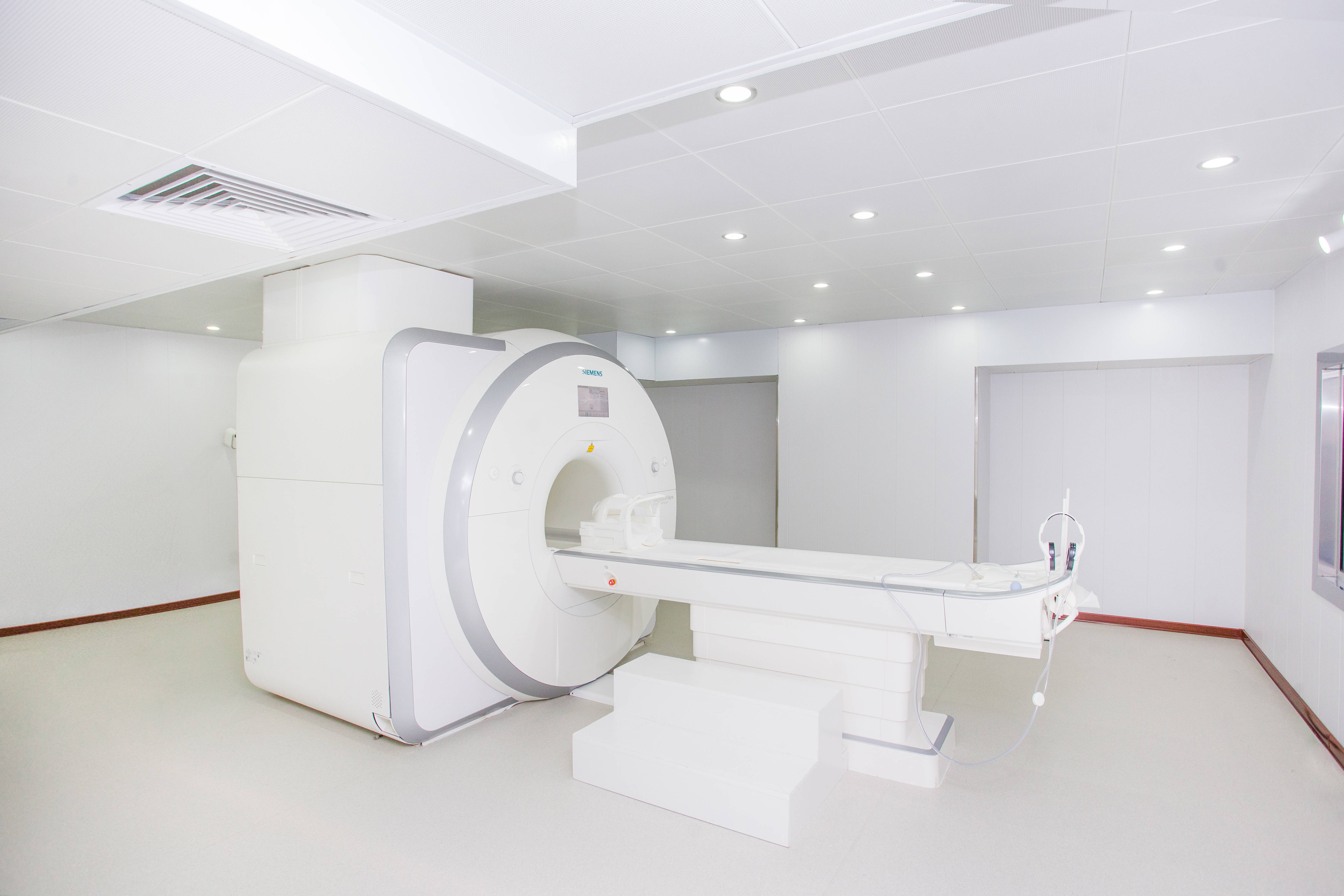
Carbon fiber composites maintain excellent mechanical properties at these cryogenic temperatures, making them ideal for manufacturing the mechanical components that surround the superconducting magnets in MRI machines. Major MRI manufacturers worldwide commonly use carbon fiber composites for these critical low temperature components.