Carbon Fiber: The Feasibility and Possibility of Replacing Metal in Industrial Use
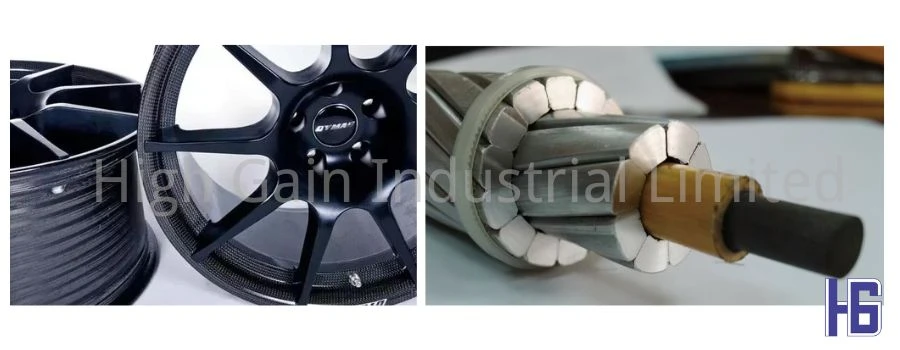
In recent years, the industrial world has been witnessing a significant shift in materials as carbon fiber emerges as a strong contender to replace traditional metals in various applications. This transition is driven by the unique properties of carbon fiber, including its exceptional strength-to-weight ratio and resistance to corrosion. In this article, we'll explore the feasibility and possibility of using carbon fiber materials to replace metal in industrial use.
1. Weight Reduction and Enhanced Efficiency:
One of the most significant advantages of carbon fiber over metal is its remarkable weight reduction properties. Carbon fiber composites can be up to five times lighter than steel and two times lighter than aluminum while retaining similar or even higher strength. This reduced weight not only makes products more efficient but also leads to cost savings in transportation and energy consumption.
2. Corrosion Resistance:
Carbon fiber is naturally resistant to corrosion, which is a significant concern with metal structures, especially in industries like marine, aerospace, and construction. The absence of corrosion means that carbon fiber materials have a longer lifespan and lower maintenance requirements.
3. High Strength:
Despite its lightweight nature, carbon fiber possesses incredible strength. It has a tensile strength similar to or even greater than steel, making it suitable for load-bearing applications. This strength is especially beneficial in construction, automotive, and aerospace industries.
4. Design Flexibility:
Carbon fiber composites offer exceptional design flexibility. They can be molded into complex shapes, allowing for innovative and streamlined designs that were previously unattainable with metals. This flexibility opens up new possibilities in product design and performance.
5. Thermal Insulation:
Carbon fiber exhibits excellent thermal insulating properties. This makes it suitable for applications where thermal conductivity is a concern, such as in manufacturing equipment and automotive components.
6. Sustainable and Environmentally Friendly:
Carbon fiber is considered more sustainable than some metals, as it can be recycled and has a lower environmental impact in terms of manufacturing and transportation due to its reduced weight.
7. Cost Considerations:
While the cost of carbon fiber materials has historically been higher than that of metals, advancements in production methods and increased demand have been driving costs down. As technology continues to evolve, carbon fiber is becoming a more cost-competitive option in various industries.
8. Potential Challenges:
Despite its numerous advantages, carbon fiber does come with certain challenges. The manufacturing process can be complex, and repairing carbon fiber components can be more intricate than welding metal. Additionally, carbon fiber can be vulnerable to impact damage and may require additional protective coatings.
Conclusion:
The feasibility and possibility of replacing metal with carbon fiber materials in industrial use are not only realistic but also promising. The benefits of weight reduction, corrosion resistance, high strength, and design flexibility position carbon fiber as a valuable alternative to traditional metals. As technology and manufacturing techniques continue to advance, we can expect to see an even more significant integration of carbon fiber materials in various industries, revolutionizing the way we design and build products.