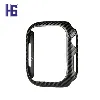
How To Produce Irregular Shaped Carbon Fiber Products Effectively
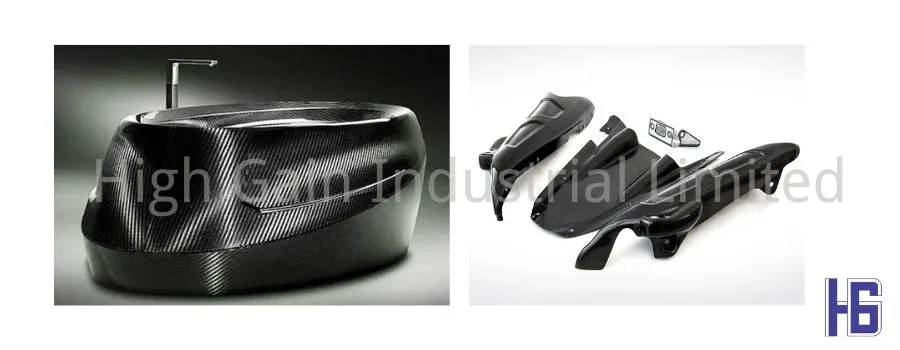
tune the irregular shape, ensuring precise measurements and proportions.
Material Selection: The choice of carbon fiber material is crucial. Factors like weave pattern, fiber orientation, and resin type must be carefully considered to achieve the desired strength and appearance for the irregular shape.
Mold and Tooling:
Once the design is finalized, the next step involves creating custom molds or tooling for the irregular shape. This step can vary depending on the complexity of the design:
3D Printing Molds: For intricate, one-of-a-kind irregular shapes, 3D printing molds may be used. These molds are generated from the digital CAD design and allow for a high degree of customization.
Handcrafted Molds: In cases where the irregular shape is more organic or involves manual manipulation during the manufacturing process, handcrafted molds may be used. Skilled artisans create molds that match the design specifications.
Layup and Curing:
The heart of carbon fiber manufacturing is the layup and curing process. This is where the irregular shape starts to take form:
Layup: Layers of carbon fiber fabric are carefully cut to fit the mold or tooling. The orientation and placement of these layers are critical to achieving the desired strength and rigidity of the irregular shape.
Resin Application: Epoxy resin is applied to the carbon fiber layers. The resin is carefully spread to ensure complete saturation of the fibers.
Curing: The assembly is placed in an oven or autoclave to cure. The curing process solidifies the resin, bonding the carbon fiber layers and giving shape to the irregular design.
Trimming and Finishing:
After curing, the irregular shape is removed from the mold and undergoes final finishing:
Trimming: Excess material is trimmed, and the edges are refined to achieve the desired dimensions and appearance.
Sanding and Coating: The surface of the irregular shape is sanded to a smooth finish. Additional coatings or finishes, such as clear coats or paint, can be applied for protection and aesthetics.
Quality Control: Stringent quality control measures are taken to ensure the final product meets design specifications and standards.
Challenges and Expertise:
Crafting irregular carbon fiber products requires a high level of expertise and precision. The complex shapes demand meticulous attention to detail in every stage of the process. Designers and manufacturers need to consider factors like fiber orientation, resin selection, and curing techniques to ensure the irregular shape is not just visually stunning but also structurally sound.
From unique sculptures to customized automotive parts and beyond, carbon fiber's adaptability to irregular shapes is pushing the boundaries of design and engineering. As technology advances, we can expect even more intricate and groundbreaking carbon fiber creations in the future.