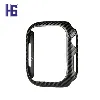
In the quest for lightweight, high-strength, heat-resistant, and corrosion-resistant advanced materials, the combination of continuous carbon fiber tows and polyetheretherketone (PEEK) resin stands out as a groundbreaking solution. This composite merges the mechanical prowess of carbon fiber with the high-performance thermoplastic properties of PEEK, unlocking immense potential in aerospace, automotive manufacturing, medical implants, and energy equipment.
1. Complementary Strengths of Carbon Fiber and PEEK
Continuous Carbon Fiber Tows
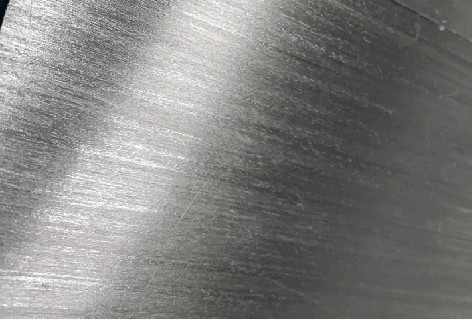
Carbon fiber is renowned for its exceptional strength-to-weight ratio, tensile modulus (230–600 GPa), and fatigue resistance. The unidirectional alignment of continuous fibers enables superior load-bearing capacity in specific directions, ideal for primary load-bearing structures.
PEEK Resin
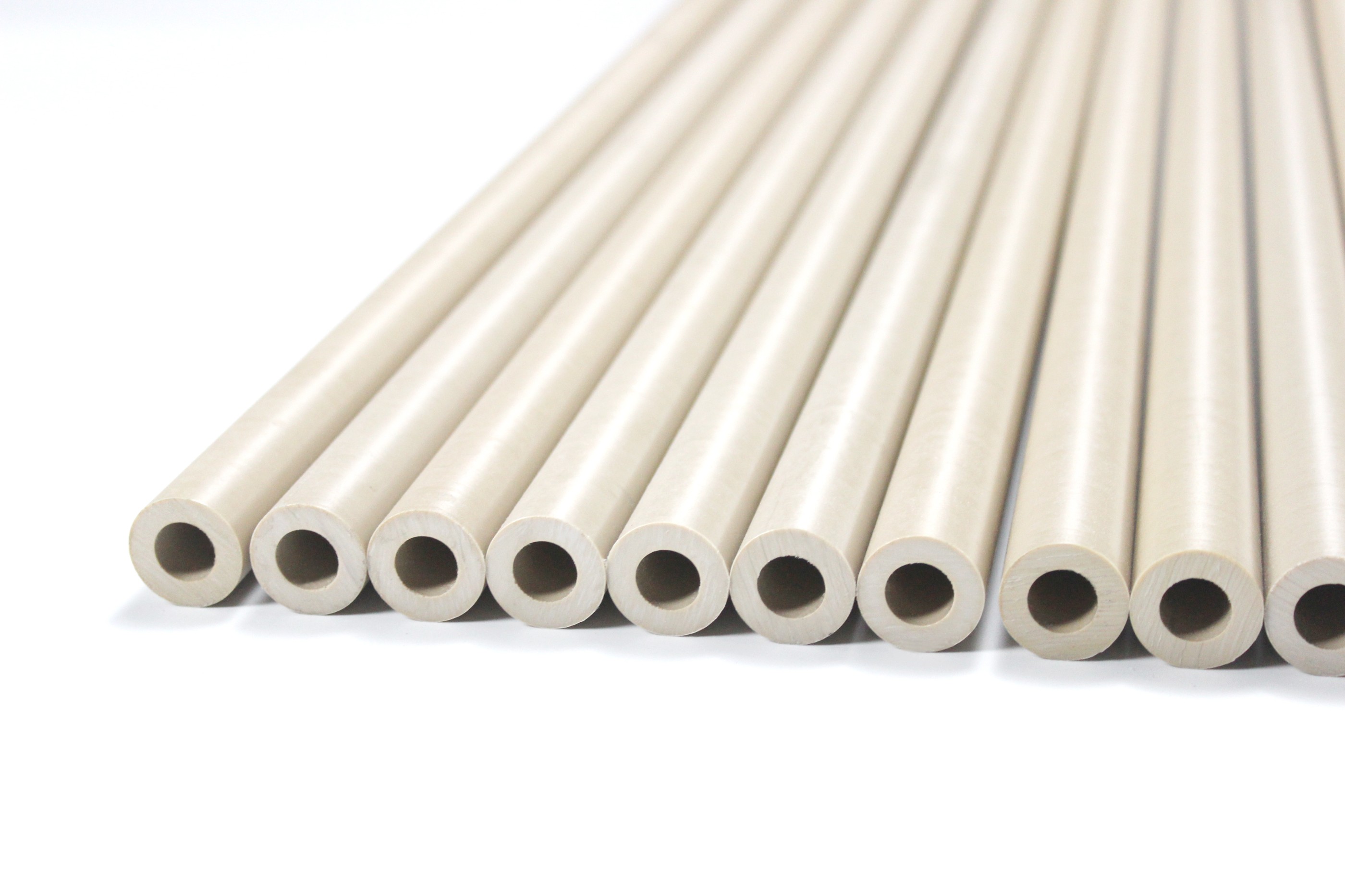
Polyetheretherketone (PEEK), a semi-crystalline thermoplastic polymer, offers:
High-temperature resistance: Sustained use at 250°C, short-term tolerance up to 300°C.
Chemical resistance: Stability against acids, alkalis, organic solvents, and radiation.
Recyclability: Melt-reprocessable for circular economy alignment.
Biocompatibility: Suitable for demanding medical applications like implants.
2. Synergistic Breakthrough: 1+1>2 Performance
The fusion of continuous carbon fiber and PEEK creates unparalleled synergies:
Enhanced mechanical properties: Carbon fiber's strength paired with PEEK's toughness delivers superior impact resistance and extended durability.
Flexible processing: PEEK's thermoplastic nature enables versatile methods like hot pressing and 3D printing, bypassing limitations of thermosetting resins.
Environmental resilience: In extreme environments, PEEK effectively shields carbon fibers from matrix degradation.
Lightweight integration: With 50–60% carbon fiber content and a density of 1.5–1.6 g/cm³, these composites reduce weight by 50–70% versus metals while enabling functional gradient designs via fiber layering.
3. Applications & Case Studies
Aerospace: Airbus A350 and Boeing 787 employ carbon fiber/PEEK in secondary structures, meeting high-temperature demands for engine nacelles.
Medical Implants: Evonik (Germany) developed PEEK/carbon fiber spinal cages combining biocompatibility, X-ray transparency, and mechanical compatibility.
EVs: In battery housings, carbon fiber/PEEK solutions cut weight by 40% versus aluminum while offering flame resistance and electrolyte corrosion resistance.
Industrial Equipment: Replaces titanium alloys in high-temperature/pressure downhole tools for oil exploration.
Challenges & Future Outlook
While continuous carbon fiber/PEEK composites mark a leap toward lightweight, functional, and sustainable materials, challenges persist in cost control, interfacial optimization, and recycling. Companies like High Gain Industrial Co., Ltd. are addressing these issues, notably through advanced surface modification to enhance fiber-matrix adhesion.
As technology advances and costs decline, this material synergy not only exemplifies the shift toward multifunctional, high-efficiency composites but also heralds a transformative role in next-gen advanced manufacturing-propelling a new wave of industrial innovation.