In our daily lives, we rarely think about the science behind plastics, but the differences between different types can be significant. Today, we'll explore two important plastics: thermosets and thermoplastics, and understand their differences.
Thermosets: Strong and Durable
The plastic pots and pans we use every day are made from thermosetting resins, which, once heated and cured, never soften or deform. This property makes them extremely strong, allowing them to withstand high temperatures and chemical corrosion. In the aerospace industry, many lightweight parts of airplanes and satellites are made of thermoset materials such as epoxy resins. These materials are not only strong, but also lightweight, which increases flight efficiency.
The automotive industry is another major user of thermosets. From car bodies to interior parts and engine components, thermoset resin is widely used. Their high temperature resistance ensures stable performance even under extreme conditions. In addition, thermoset resins are widely used in the circuit boards and housings of electronic products due to their high resistance to acid and alkali, protecting internal components from damage.
Thermosets are also used in ship hulls and wind turbine blades. These materials are dimensionally stable and have excellent resistance to weathering and aging, making them ideal for long-term use.

Thermoplastic resins: Flexible and Versatile
Unlike thermoset resins, thermoplastic resins soften when heated and harden when cooled. This property, similar to Play-Doh, allows them to be molded and reshaped repeatedly, making them ideal for many consumer products.
Many household items such as toys, appliance housings, food packaging, and even cell phone cases and computer housings are made from thermoplastic resins such as polyethylene (PE), polypropylene (PP), or polycarbonate (PC). Not only are they inexpensive, but they are also quick to produce and suitable for mass production. In addition, thermoplastic resins are recyclable, which is critical to reducing plastic waste.
In the medical field, disposable syringes and IV tubing are often made from polyvinyl chloride (PVC) or other thermoplastic materials. These materials are safe, non-toxic, easy to sterilize and convenient to dispose of after use. The automotive industry also favors thermoplastic resins for bumpers, dashboards, and other interior decorative parts that are both aesthetically pleasing and practical.
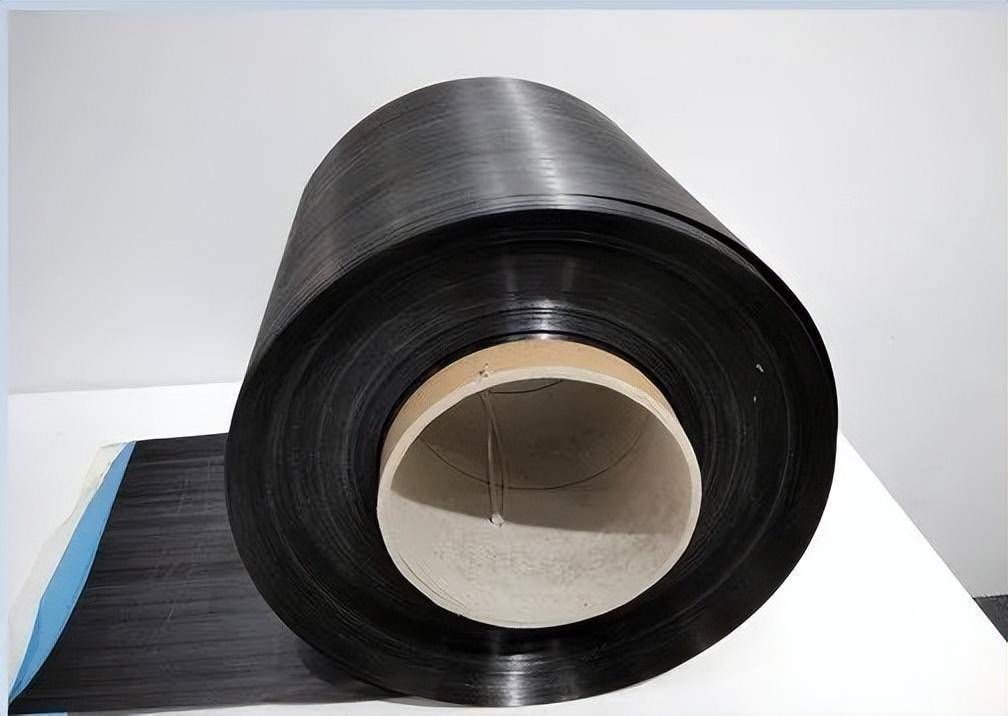
But thermoplastic resins offer more than just flexibility. High-quality thermoplastic resins outperform thermoset resins. For example, polyetheretherketone (PEEK) and polyphenylene sulfide (PPS) materials used in continuous carbon fiber thermoplastic resin composites not only share the recyclability and processability of thermoplastic resins, but also offer advantages such as high temperature resistance, superior mechanical properties, and high wear resistance.