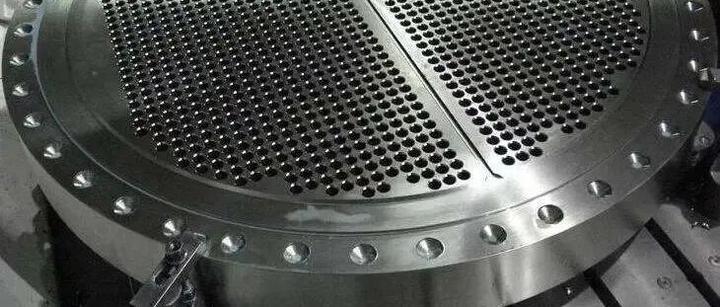
Carbon fiber composite materials (CFRP) have the characteristics of high strength, high hardness, anisotropy, etc., and are prone to defects such as burrs, delamination, and tears during the hole machining process, so higher requirements are put forward for the selection and use of tools.

1. Common tool types
Tungsten carbide drill bits: This is the most commonly used carbon fiber hole machining tool with high hardness and wear resistance. It is advisable to choose a fine-grained carbide material with a diamond coating or TiAlN coating to improve tool life and machining quality.
Diamond-coated drill bits: Diamond-coated drill bits have extremely high hardness and wear resistance, which can effectively reduce tool wear, improve machining efficiency and hole wall quality.
PCD drill bits: Polycrystalline diamond (PCD) tools have extremely high hardness and wear resistance, which is suitable for high-speed and efficient machining, but at a high cost.
Special milling cutters: For hole machining with large bore diameters or complex shapes, special milling cutters can be used for milling machining.

2.The geometric parameters of the tool
Apex Angle: It is recommended to choose a smaller apex angle (118°-135°) to reduce the axial force and reduce the risk of delamination.
Helix angle: It is recommended to choose a larger helix angle (30°-40°) to facilitate chip evacuation and reduce heat accumulation.
Cutting edge treatment: The cutting edge should be sharp and rounded to reduce burrs and tears.

3. Processing parameters
Cutting speed: Carbon fiber holes should be machined at a higher cutting speed to reduce cutting forces and heat build-up.
Feed: The feed should be reasonably selected according to the hole diameter, tool diameter and material thickness, too large feed will lead to delamination and tearing.
Cooling: Compressed air or minimum quantity lubrication (MQL) is recommended for cooling to reduce cutting temperatures and tool wear.
4. Other precautions
Tool clamping: The tool should be clamped firmly to avoid vibration.
Workpiece support: Make sure that the workpiece has good support during machining to prevent vibration and deformation.
Replace the tool in time: When the tool is seriously worn, it should be replaced in time to ensure the processing quality.