How to Choose Between Fiberglass and Carbon Fiber Composite Material for My Product?
Composite materials are widely used in various industries as they offer numerous advantages such as high strength, lightweight, and corrosion resistance. When it comes to choosing the suitable composite material for your product, fiberglass and carbon fiber are the two most popular options available. However, selecting the right material can be a challenging task, especially if you are not familiar with their properties and characteristics. In this article, we will discuss how to choose the suitable composite material, either fiberglass or carbon fiber, for a product.
Firstly, you need to understand the differences between fiberglass and carbon fiber. Fiberglass is made up of glass fibers embedded in a polymer matrix, whereas carbon fiber is composed of carbon filaments embedded in a polymer matrix. The main difference between these two materials is that carbon fiber has higher tensile strength and stiffness, while fiberglass is more affordable and has better impact resistance.
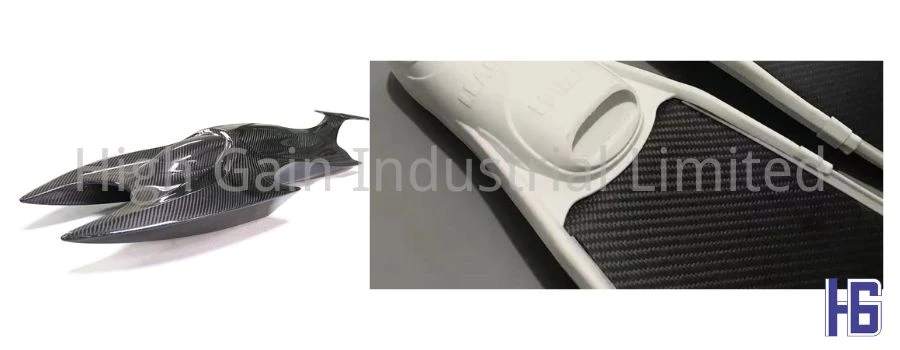
The next step is to consider the specific requirements of your product. If your product needs high strength and stiffness, then carbon fiber is the suitable choice. Carbon fiber composites are commonly used in aerospace, automotive, and sports industries, where the products need to withstand high loads and have low weight. Fiberglass composites, on the other hand, are ideal for products that require high impact resistance, such as boat hulls and automotive body parts.
Besides, you also need to consider the processing methods required to manufacture your product. Both fiberglass and carbon fiber can be processed using various techniques, such as hand lay-up, filament winding, and compression molding. However, carbon fiber is more challenging to process due to its high strength and stiffness, which requires specialized equipment and expertise. Fiberglass, on the other hand, is easier to handle and can be processed using traditional manufacturing methods.
Another factor to consider is the price. Carbon fiber is more expensive than fiberglass, which may not be suitable for products with a tight budget. However, the higher cost of carbon fiber composites is justified by their exceptional performance, making them a preferred choice for high-performance products.
In conclusion, choosing the right composite material for your product is crucial to ensure its performance and reliability. Whether you choose fiberglass or carbon fiber, it's essential to consider the specific requirements of your product, the processing methods, and the price. With the right material and processing techniques, you can create a high-quality product that meets your customer's needs and expectations.