How to Manufacture Carbon Fiber Prostheses for the Disabled
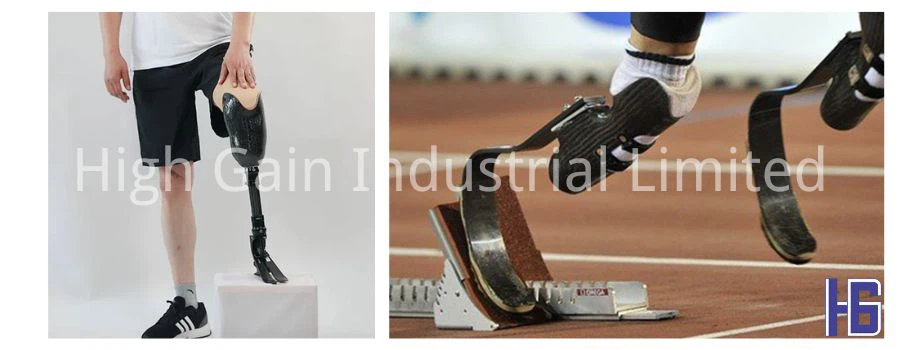
Carbon fiber prosthetics are rapidly becoming the preferred choice for people with disabilities who need reliable and long-lasting prosthetic limbs. This high-tech material is lightweight, yet incredibly strong, and it offers a comfortable and natural fit that is difficult to achieve with traditional prosthetics made from heavy metals and plastics.
However, despite the growing popularity of carbon fiber prosthetics, many people are still unsure about how they are manufactured. In this article, we will explain the step-by-step process of manufacturing carbon fiber prostheses.
Step 1: Measure and design
The first step in creating a carbon fiber prosthesis is to take accurate measurements of the patient's residual limb. This ensures that the prosthetic fits as comfortably and as securely as possible.
Once the measurements are taken, the prosthetic is designed using specialized software. This software generates a 3D model of the prosthetic that can be refined and adjusted to fit the needs of the patient.
Step 2: Fabricate the mold
Once the design is finalized, the next step is to fabricate the mold that will be used to create the carbon fiber prosthesis. The mold is typically made from a rigid foam material that is easy to shape and carve.
The foam mold is created by using a CNC router or other computer-controlled cutting machine. This ensures that the mold has accurate dimensions and a smooth finish.
Step 3: Layup and curing
With the mold complete, the next step is to lay the carbon fiber fabric on top of the mold. This is done by carefully arranging the carbon fiber fabric over the mold and using a specialized resin adhesive to bond the fabric to the mold.
Once the carbon fiber fabric has been applied to the mold, it is placed in a vacuum bag and sealed. The vacuum bag is then placed in a curing oven where the resin is heated and hardened. This process takes several hours to complete.
Step 4: Finishing
Once the carbon fiber prosthesis has cured, it is removed from the vacuum bag and the excess material is trimmed away. Any minor imperfections or defects in the carbon fiber are filled and sanded down to create a smooth finish.