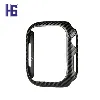
Energy and materials form the foundation of human survival, and ongoing research into them drives global economic, political, and cultural progress. Yet excessive resource extraction and massive emissions of exhaust gases and wastewater have scarred our ecosystem, making environmental protection an urgent priority. Carbon fiber-lightweight yet high-strength-offers a solution. When used in cars, trains, and aircraft, it reduces weight and fuel consumption. Critically, its production releases no toxic byproducts, aligning with green manufacturing principles.
Carbon fiber consists of over 90% carbon, structured like graphite from stacked microcrystals. Each strand measures just 6–8μm (about 1/20th a hair's width), boasting high modulus, extreme strength, low density, and resistance to extreme temperatures (–200°C to 2000°C in inert gases), friction, chemicals, and impact. Rarely used alone, it combines with resins, metals, or ceramics to form composites.

(Carbon fiber CT bed board )
These composites serve diverse applications:
Aerospace: Spacecraft shells, rocket boosters, satellite frames
Defense: Missile casings, submarine hulls, fighter jet components
Transportation: Automotive parts, racing components, high-speed train elements
Healthcare: Medical boards, leg braces, wheelchair frames
Initially expensive, carbon fiber has become increasingly affordable thanks to technological advances. Its widespread adoption now powers energy efficiency in cars, bicycles, and trains-proving that cutting-edge materials can drive both performance and sustainability.