Carbon fiber stands out in the materials world as a hero with "steel-like strength yet fabric-like flexibility." Beyond its exceptional hardness, high strength, and heat resistance, it's widely used in aircraft (like the Boeing 787 fuselage), luxury cars, and machinery-cutting weight, fuel consumption, and environmental impact. While prized for performance, it's also valued aesthetically. So, what colors does it actually offer?
Before discussing color, let's clarify the material: carbon fiber results from carbonizing and graphitizing polyacrylonitrile fibers at high temperatures. Each strand is incredibly fine-about one-twentieth the width of a human hair. Rarely used alone (except for insulation), it's typically combined with epoxy, metal, or ceramics to form composites. What we call "carbon fiber products" are almost always composite products.
Carbon fiber itself has only one color: black.
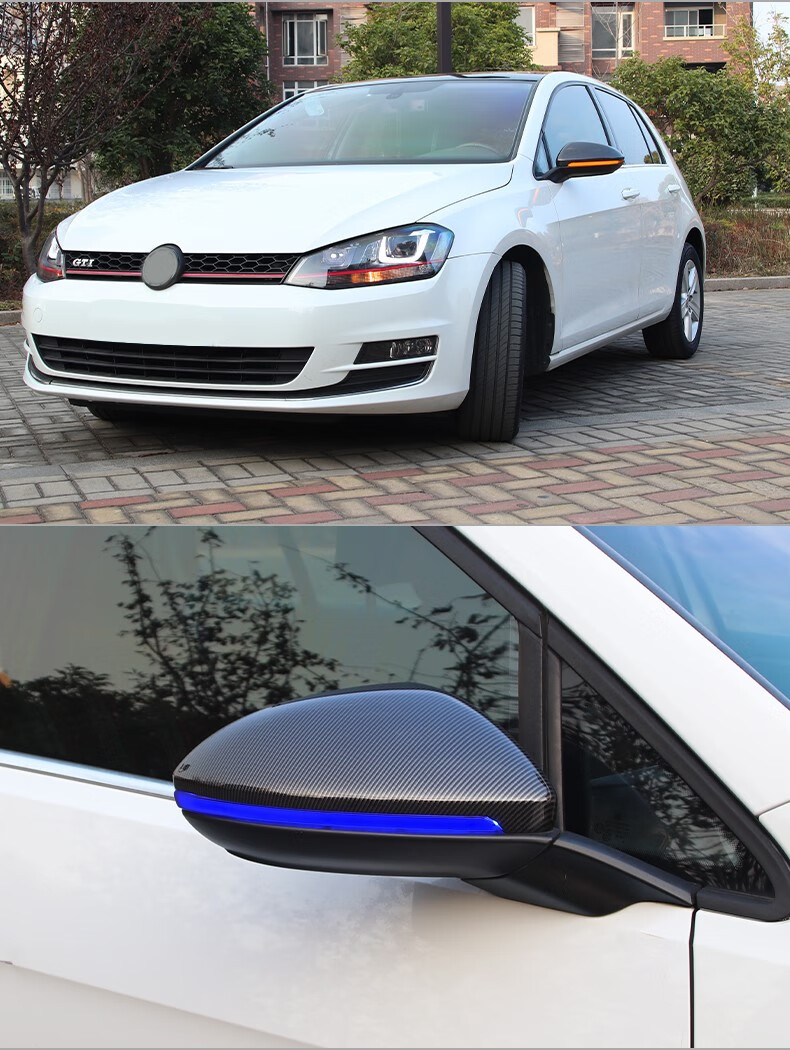
That said, products can be painted using advanced techniques to add colorful coatings. However, consumers should beware: unethical suppliers sometimes electroplate fiberglass to mimic carbon fiber's appearance. Visually identical to the untrained eye, this imitation costs far less. To ensure authenticity, always purchase from verified manufacturers-never compromise for lower prices. For example, the mirror housing shown above (OEM for a German brand) features flawless, glossy carbon fiber-genuine and attention-grabbing.