Points to consider for the bonding process of carbon fiber tubes.
Carbon fiber materials have a significant advantage in terms of integrally molded performance. When acid-resistant products are applied, they need to be connected to other equipment and parts. The common connection methods include adhesive bonding, mechanical connections, and hybrid connections. Among these, adhesive bonding is simple and convenient, making it very suitable for situations without transverse forces. This method is easy to operate and has high safety, avoiding the impact on product strength that can occur with mechanical connections due to drilling. However, there are some points to consider when using adhesive bonding. Let's take a look at these considerations together in this article.
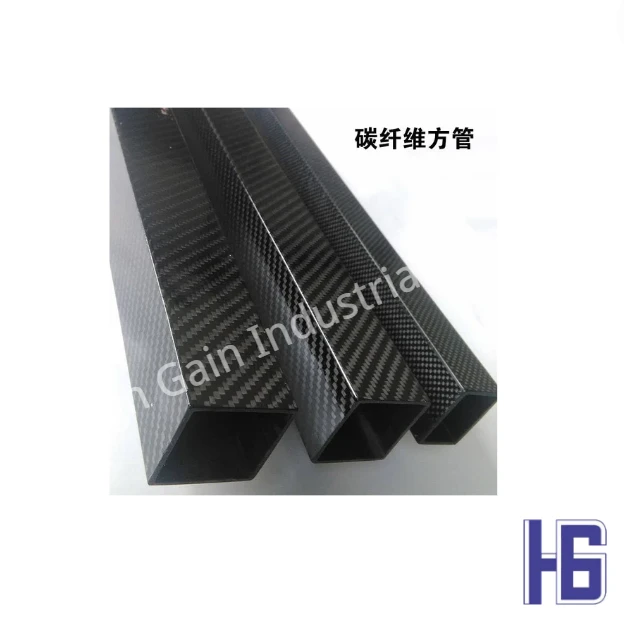
When bonding carbon fiber tubes, it is essential to enhance the adhesive strength in order to better ensure the longevity of the pipes. Carbon fiber materials exhibit anisotropic properties, which also involve the design of the layup when producing carbon fiber products. Different layup orientations can lead to variations in performance. Therefore, when bonding, attention must be paid to the layup design to ensure that there are no gaps in the prepreg layers of the carbon fiber tubes. Additionally, the load-bearing direction should align with the strength direction of the carbon fiber, as this will help ensure the overall strength of the adhesive bond.
Furthermore, during the bonding process, it is necessary to select an adhesive with very high viscosity to improve the bond strength. It is also important to ensure that the bonding area is clean and tidy, and it should be sanded to enhance the adhesive strength. When selecting the adhesive, it is essential to consider whether the amine water molecules can be compatible with the resin matrix in the carbon fiber products. The higher the compatibility, the better the adhesive strength. If the compatibility is poor, the bond may easily come off after prolonged use due to oxidation.
In addition, attention should be paid to the amount of adhesive used during the bonding process, considering the quality and dynamic balance of the tubes. If these requirements are relatively low, additional adhesive can be applied to achieve better bonding performance.